Snorkelling and diving in Mauritius: the best spots and clubs
What is the best diving spot in Mauritius?
Blue Bay (south-east) is the best snorkelling spot for beginners. For experienced divers, Flic-en-Flac (west coast) with its wrecks and the Wall of Coral is a must.
Snorkelling and diving in Mauritius: an underwater paradise
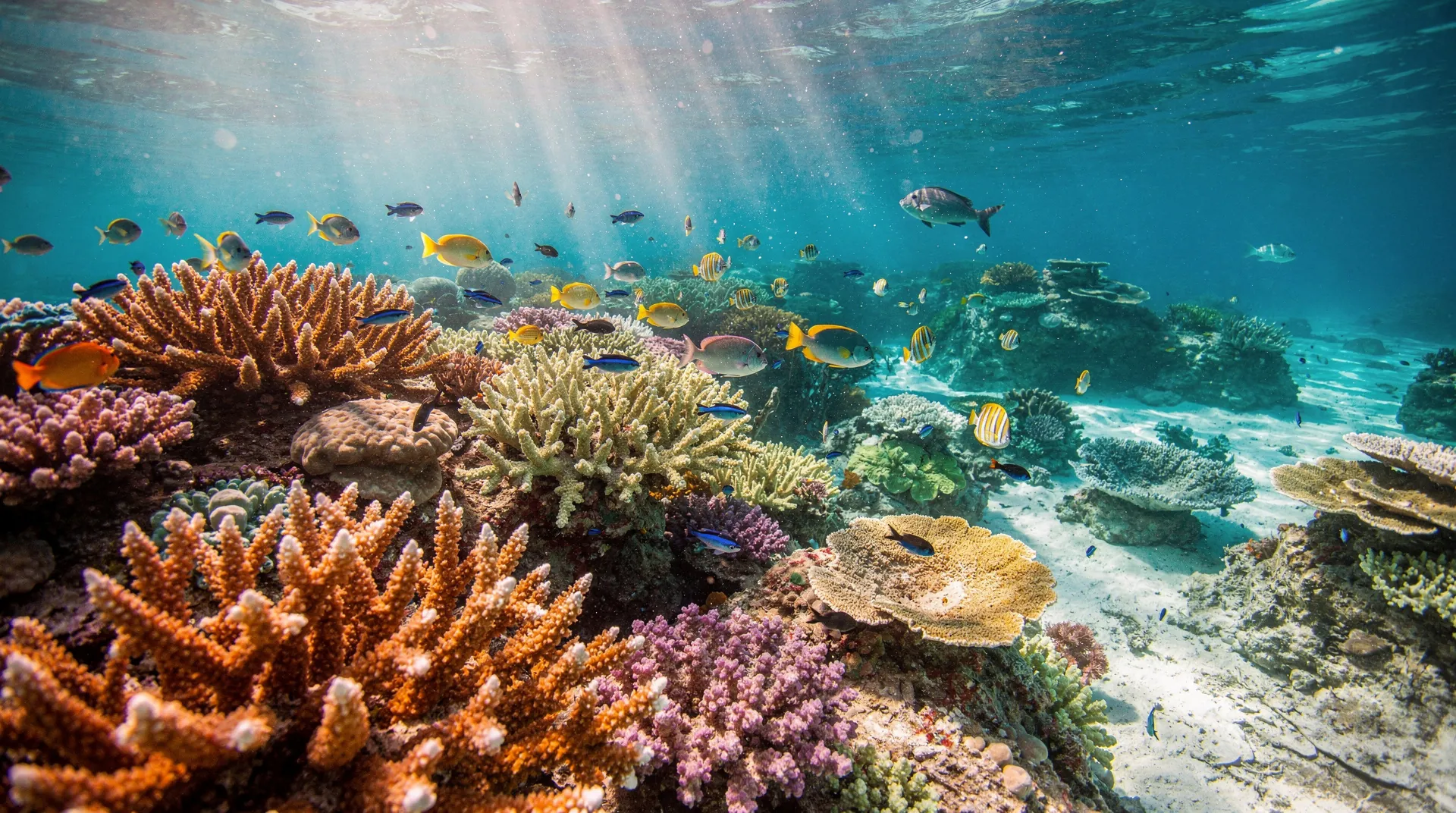
Mauritius is surrounded by a coral lagoon stretching over 330 km of coastline protected by a barrier reef. These warm, clear waters are home to exceptional marine biodiversity: more than 200 species of coral, 1,700 species of fish, sea turtles, manta rays, reef sharks and countless other wonders. Whether you’re into casual snorkelling or you’re a certified diver looking for a thrill, Mauritius has something for you.
The island stands out not only for the richness of its seabed, but also for the diversity of its spots: protected marine parks with pristine coral, historic wrecks teeming with life, dizzying drop-offs populated by gorgonians and sharks, and shallow, crystal-clear lagoons ideal for beginners. To plan your trip, start by checking out our guide to the most beautiful beaches in Mauritius to pick the area that suits you best.
At a glance
| Where | Blue Bay, Trou aux Biches, Flic-en-Flac, Ile aux Cerfs |
| Snorkelling price | around 200 to 1,500 rupees (rental or guided outing) |
| Diving price | around 1,000 to 2,500 rupees per dive, training from 15,000 rupees |
| Time needed | half a day for a session, allow 3 to 4 days for a diving package |
| How to get there | free public beach access or dive club/boat |
| Best time | May to November for the best visibility |
The best snorkelling spots
Blue Bay marine park (south-east)
Blue Bay is universally recognised as the best snorkelling spot in Mauritius, and one of the finest marine parks in the entire Indian Ocean. Located in Mahebourg bay on the south-east coast, this protected marine park covers around 353 hectares of coral, seagrass beds and crystal-clear waters. You can book a snorkelling excursion at Blue Bay with a guide and equipment included to make the most of the best spots with a professional.
What makes Blue Bay exceptional:
- A remarkably well-preserved coral garden with coral tables up to 1 metre in diameter
- Very shallow, calm water, ideal for non-swimmers and children
- Visibility of up to 20 to 30 metres in good weather
- A diverse range of species: parrotfish, clownfish, rays, starfish, sea turtles
- Protected marine park status, which ensures better coral preservation
Access: Blue Bay beach is public and free. Buoys mark out the marine park boundaries. Snorkelling gear rental on the beach: 200 to 400 rupees a day. Glass-bottom boats offer tours of the park for 500 to 800 rupees per person — a great option for families with young children.
Best time: Year-round, but the southern winter (May-October) offers the best visibility. Note: the area is sometimes overrun with algae in summer (January-March).
Practical tips: Arrive before 9am to avoid the crowds and the motorboats that stir up the water. Bring your own fins if possible, as rental gear on site is often of variable quality. Children from around 5-6 years old can easily snorkel here with a bit of prior practice.
Trou aux Biches (north coast)
Trou aux Biches is the jewel of the north coast, with a shallow lagoon of dreamy milky blue-green water. Snorkelling here is excellent, especially around the coral heads scattered throughout the lagoon. The Trou aux Biches area is ideally positioned for morning sessions before the wind picks up.
Highlights of Trou aux Biches for snorkelling:
- Very calm, shallow waters, rarely more than 2-3 metres in the lagoon
- Numerous colourful tropical fish species: surgeonfish, butterflyfish, damselfish
- Easy access from the public beach, no boat required
- Close to the hotels, ideal for a morning session before breakfast
A particularly recommended spot is at the north end of the beach, towards the Trou aux Biches Beachcomber hotel: coral patches are numerous there and marine life is very active. Moray eels, octopuses and many species of reef fish have made this their permanent home.
Flic-en-Flac (west coast)
Flic-en-Flac is better known for diving (see below), but the snorkelling here is also excellent. The reef lies about 500 metres from the beach, reachable on foot through shallow water. Lionfish, moray eels in the coral crevices and octopuses are among the species you can regularly spot.
The Flic-en-Flac area is home to the island’s most renowned dive clubs, which also run guided snorkelling excursions for beginners. It’s a great option if you’d like to be accompanied for your first experiences.
Caution: currents can be strong in places around the outer reef. It’s advisable to check with local dive clubs before venturing out alone.
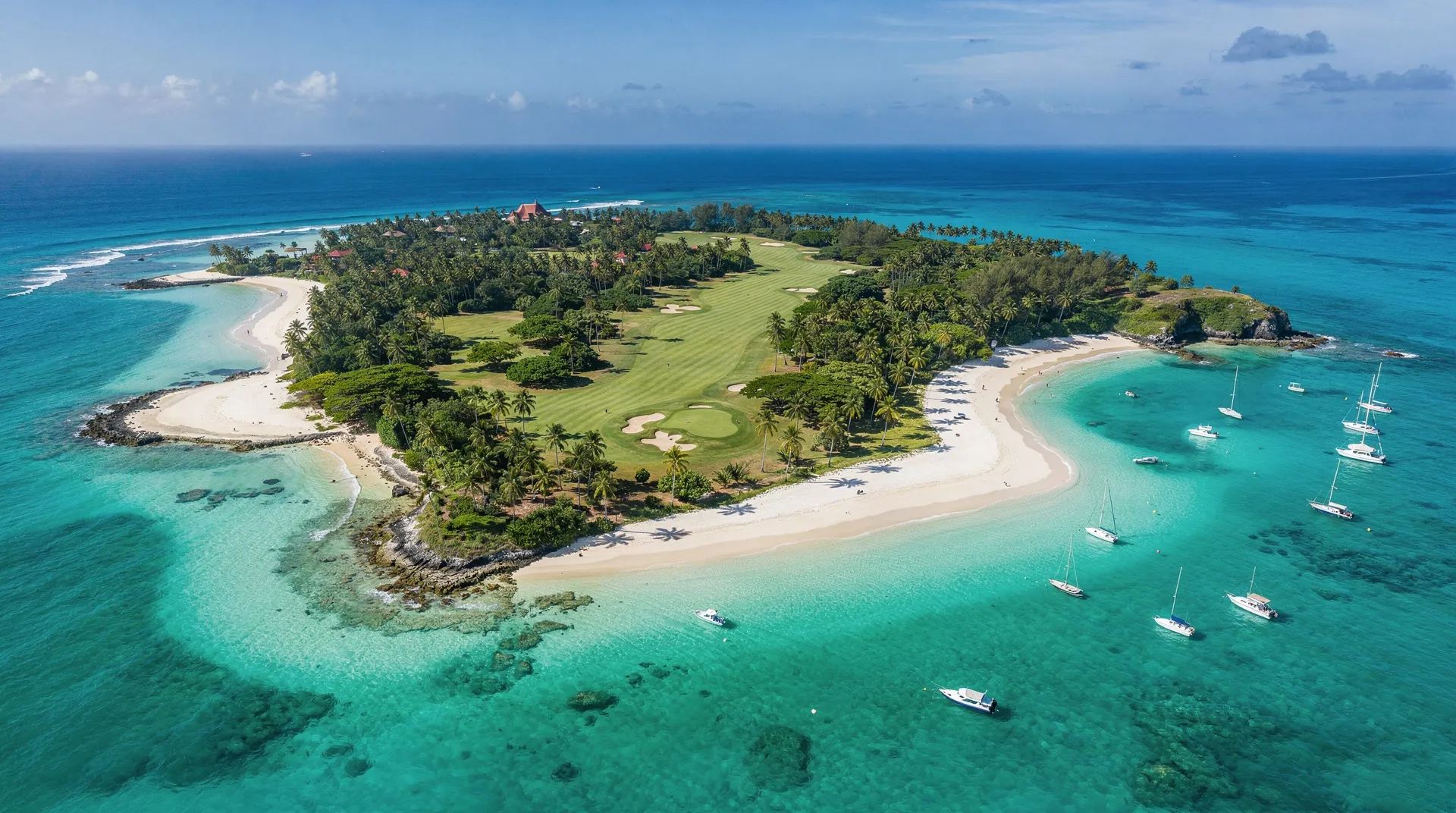
Ile aux Cerfs (east coast)
Snorkelling around Ile aux Cerfs is excellent, particularly towards Pointe du Diable at the island’s north-eastern tip. The waters are crystal clear and the coral well preserved in this area, far from coastal pollution. Sea turtles pass through regularly and it’s common to spot one while snorkelling.
Most excursions to Ile aux Cerfs include snorkelling gear in the price. If you go independently, bring your own equipment or rent one on the island for around 300 to 500 rupees a day.
Pointe d’Esny (south-east)
Adjacent to Blue Bay park, Pointe d’Esny offers wilder, less crowded snorkelling. The coral is varied and green turtles can often be seen feeding on the seagrass beds. It’s the ideal alternative to Blue Bay for those who prefer to avoid the crowds, especially in high season.
Pointe d’Esny has the feel of a very quiet residential seaside town, far removed from the tourist bustle. A good option if you’re staying in the Mahebourg area.
Baie du Cap (south coast)
Little known to tourists, Baie du Cap in the south of the island offers surprisingly good snorkelling in cooler, more challenging waters. Currents are stronger here, but the coral formations are spectacular and the species seen differ from those in the northern lagoon — notably beautiful fan-shaped corals and particularly numerous lionfish.
Diving in Mauritius
Why dive in Mauritius
Mauritius is among the best diving destinations in the Indian Ocean. The reasons are numerous:
- Warm waters (26-29°C in summer, 22-25°C in winter)
- Excellent visibility (15-40 metres depending on the season and spot)
- A wide variety of sites: coral reefs, historic wrecks, dizzying drop-offs, caves
- Exceptional marine life including sharks, manta rays, turtles, barracudas and giant moray eels
- Numerous PADI/SSI clubs with French-speaking instructors
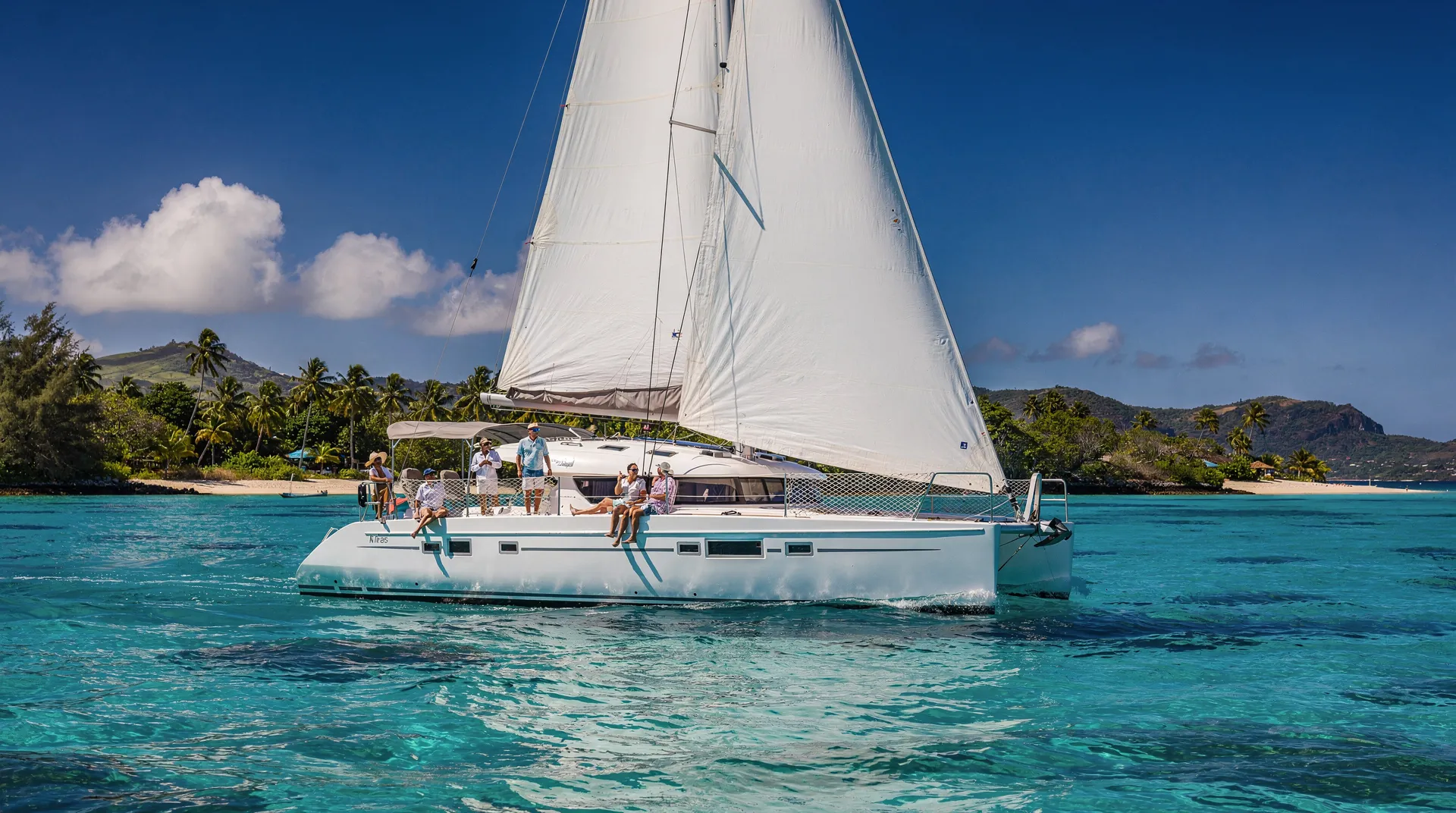
For divers who want to combine diving with catamaran trips, several operators offer excursions combining sailing with dive stops at the best sites.
The best diving sites
Flic-en-Flac: the heart of Mauritian diving
Flic-en-Flac is the diving capital of Mauritius. Its sites are varied and suited to all levels, from a first taste of diving to technical wreck dives.
The Cathedral: one of the island’s most spectacular sites. A huge cave 18-25 metres deep where the light creates magical effects in the morning — rays shine through natural openings and illuminate the corals and fish in an almost mystical atmosphere. Soldierfish and groupers frequent this site permanently. Level required: Open Water.
The Wall of Coral: a vertical drop-off covered in soft corals and gorgonians, descending from 15 to 40 metres. Hawksbill and loggerhead turtles are regularly seen here, along with leopard rays resting on the sand and reef sharks patrolling along the wall.
The Stella Maru wreck: a cargo ship resting at 15 metres, covered in colourful soft corals and home to lionfish, moray eels of all sizes and dense schools of reef fish. A site accessible to beginner Open Water divers.
The Kei Sei 113 wreck: one of the finest wreck dives on the island. This 55-metre trawler lies at 23 metres, fully colonised by teeming marine life. The interior can be penetrated by experienced divers with torches — an unforgettable experience. Level required: Advanced or equivalent.
Trou aux Biches: ideal for beginners
The north coast at Trou aux Biches, outside the lagoon, offers accessible dives rich in marine life.
Turtle Bay: as its name suggests, green and hawksbill turtles are almost guaranteed at this site, 10 to 18 metres deep. The coral is well developed and the diversity of reef fish is impressive. Perfect for a first dive.
The Canyons: rocky formations carved out between 15 and 25 metres. Moray eels, cleaner shrimp and hawkfish hide in the crevices. An ideal site for intermediate-level divers looking to sharpen their observation skills.
Tamarin Pass (west coast)
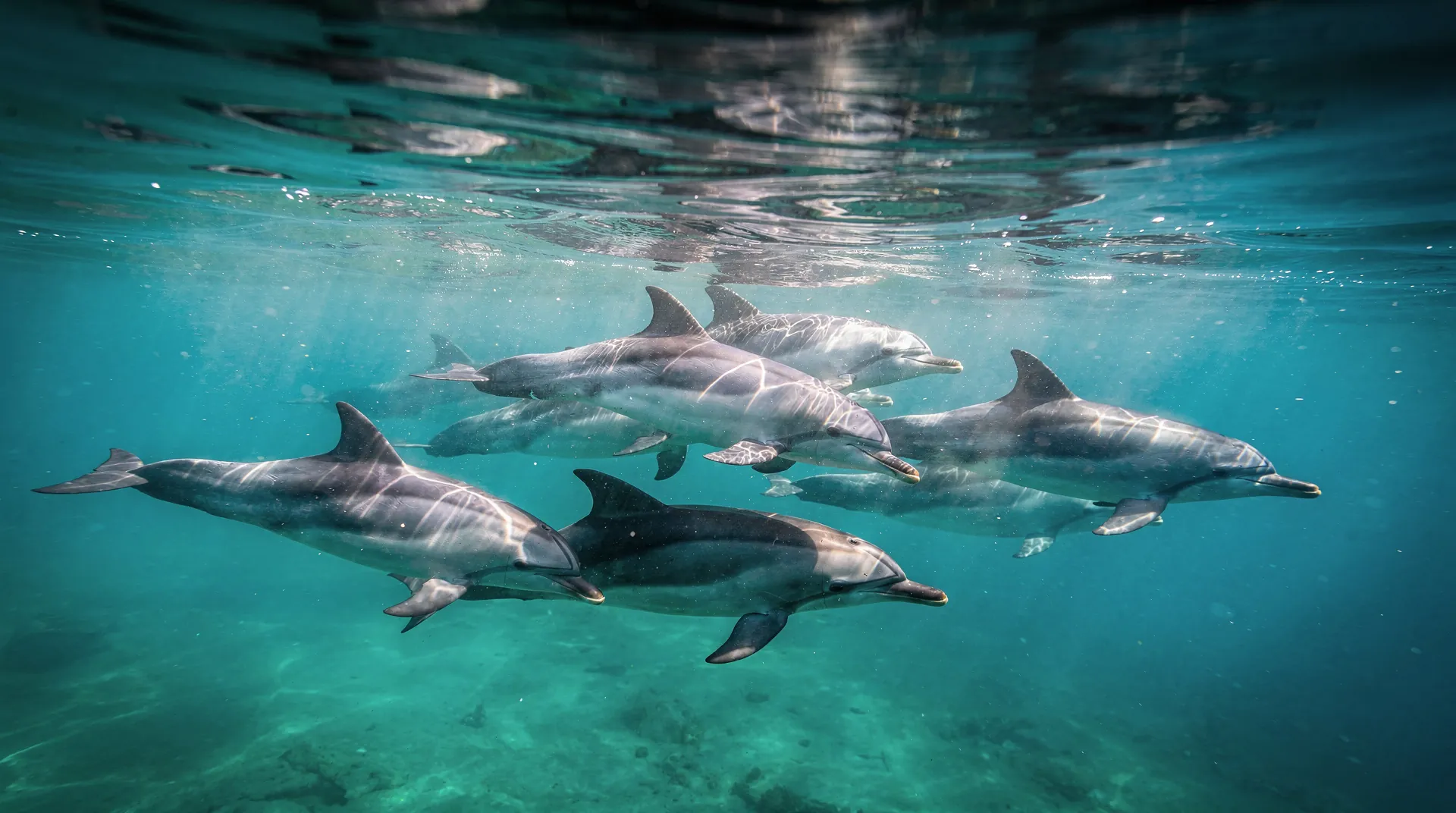
For experienced divers: Tamarin Pass, where the lagoon waters meet the open ocean, is the territory of lemon sharks and guitar rays, species that are rarer to spot in Mauritius. Currents can be strong depending on the tide, which makes this site suitable only for self-sufficient divers. This is also the area where the dolphins you can swim with in the morning live.
Rodrigues: virgin diving
560 km east of Mauritius, the island of Rodrigues (also Mauritian territory) offers near-virgin diving. The reefs are better preserved, marine life more abundant, and there are far fewer divers. Tour operators offer packages combining flights, accommodation and diving for 3 to 7 nights.
Recommended dive clubs
Blue Safari (Trou aux Biches and Grand Baie)
One of the island’s most respected clubs, PADI 5-star certified. Offers first dives, training up to Divemaster level, technical dives and photography excursions. French-speaking guide available. Indicative prices: first dive 1,800 rupees, exploration dive 1,200 rupees, Open Water course 18,000 rupees.
Atlantis Diving (Flic-en-Flac)
Specialists in the west coast’s wrecks. Experienced staff and up-to-date equipment. Perfect for confirmed divers wanting to explore Flic-en-Flac’s wrecks. Price: 1,200 to 1,500 rupees per exploration dive. Packages of 5 and 10 dives are available at reduced rates.
Diving World Mauritius (Flic-en-Flac)
A family-run club with excellent French-speaking instructors, particularly known for the quality of its coaching for beginners and children. First dive: 1,600 rupees, guided dive: 1,100 rupees. They also offer first dives for children from age 8.
Ocean Spirit (Grand Baie)
Ideally located for exploring the northern sites. Good PADI training, French-speaking guide available. Competitive prices and modern equipment. They offer combined snorkelling and diving outings suited to mixed groups (divers and non-divers together).
Indicative prices 2026
Snorkelling
| Service | Indicative price |
|---|---|
| Equipment rental (day) | 200-500 rupees |
| Boat snorkelling excursion (2-3h) | 800-1,500 rupees |
| Glass-bottom boat tour | 500-800 rupees |
| Catamaran excursion with snorkelling | 2,000-4,000 rupees |
| Introductory snorkelling lesson | 500-800 rupees |
Diving
| Service | Indicative price |
|---|---|
| First dive (intro) | 1,500-2,500 rupees |
| Exploration dive (certified diver) | 1,000-1,600 rupees |
| 5-dive pack | 4,500-7,000 rupees |
| 10-dive pack | 8,000-12,000 rupees |
| Open Water course (4 days) | 15,000-22,000 rupees |
| Advanced Open Water course | 12,000-18,000 rupees |
| Guided wreck dive | 1,200-1,800 rupees |
Tips for beginners
For snorkelling
If you’ve never been snorkelling, start in a pool or in the very shallow waters of a calm beach before heading into the lagoon. Mastering the mask and snorkel is essential to fully enjoying the experience. The main problems for beginners are a foggy mask (fix: rub a bit of saliva on the lens before putting the mask on) and water getting into the snorkel (fix: blow hard to expel it).
For families with children, our guide to family activities in Mauritius covers the best options for introducing kids to snorkelling safely, with the most suitable sites and recommended gear.
For diving
A first dive is open to everyone from age 8 (with parental consent). It takes place in a pool or shallow water (3-5 metres) with an instructor. It’s a great way to try diving with no commitment and find out if it’s for you before investing in full training. You can check availability and book your first dive online with certified clubs and French-speaking instructors.
Personal equipment: clubs provide all the necessary gear. If you dive regularly, investing in your own mask and fins significantly improves comfort — rental equipment is often worn and poorly fitted.
Physical and medical fitness: no particular physical condition is required for snorkelling. For diving, a medical certificate confirming the absence of cardiac, pulmonary or ENT contraindications is generally requested. Anyone with ear problems, asthma or heart conditions should consult a doctor before diving.
Best time to dive
May to November (dry season): ideal conditions. Cooler water (22-25°C) but maximum visibility (sometimes up to 40 metres). Calm, predictable sea. Ideal for all levels.
December to April (rainy season): warmer water (27-29°C), ideal for those who feel the cold. However, occasional rain and cyclones can reduce visibility to 5-10 metres and stir up the sea. Dives are generally less good during this period, even though there are still plenty of fine-weather days.
To choose the best time for your trip, check out our complete guide to weather in Mauritius and our article on the best time to visit Mauritius.
Environment and reef preservation
Mauritius’s coral reefs have suffered significant damage in recent decades due to bleaching linked to climate change, coastal pollution and certain unsustainable fishing practices. Here’s how to minimise your impact as a diver or snorkeler:
- Use only mineral sunscreens (free of oxybenzone and octinoxate) — chemical sunscreens destroy corals
- Never touch corals or marine animals — even light contact damages coral
- Never take any souvenirs from the seabed (shells, coral, starfish)
- Strictly respect marine park boundary markers
- Choose dive clubs committed to conservation practices
- Maintain perfect buoyancy so you don’t accidentally scrape the seabed
Reef Conservation Mauritius and the Mauritius Marine Conservation Society are two active organisations working to protect the reefs. Some dive clubs organise underwater clean-ups that divers can take part in — a rewarding and useful experience.
Combining diving with other activities
Diving and snorkelling fit naturally into a broader programme of water activities in Mauritius. A typical day for sea lovers might start with a sunrise dolphin trip, followed by a snorkelling or diving session in the late morning, and end with an afternoon of relaxation on one of the island’s finest beaches.
Catamaran excursions generally include snorkelling stops at the best spots in the lagoon. It’s a great way to discover several sites in a single day, with the comfort of a stable boat and a seafood lunch included.
For travellers who want to combine diving with kayaking or paddleboarding, the west coast of Mauritius offers interesting possibilities — setting off by kayak from the beach to reach less crowded snorkelling spots, away from the busy areas.
The future of snorkelling and diving in Mauritius depends on how we treat these fragile ecosystems today. By choosing responsible practices and committed operators, you help preserve this underwater treasure for future generations — and for your own return to this island that never fails to enchant those who have visited it.
Snorkelling or diving: which to choose?
If you’re torn between the two, here’s what to consider based on your profile:
| Criteria | Snorkelling | Diving |
|---|---|---|
| Training required | none | first dive or PADI/SSI certification |
| Depth observed | 0 to 3 metres | 10 to 40 metres |
| Budget | 200 to 1,500 rupees | 1,000 to 22,000 rupees |
| Accessible to children | yes, from age 5-6 | first dive from age 8 |
| What you’ll see | surface fish, shallow coral, turtles | wrecks, drop-offs, reef sharks, rays |
For a first trip or a family holiday, snorkelling around Blue Bay is more than enough to be amazed. For thrill-seekers curious about deeper waters, a first dive at Flic-en-Flac is the perfect compromise before considering full training.
What to bring
If you have your own snorkelling gear (mask, snorkel, fins), bring it: rental gear on site is decent but rarely a perfect fit. Bring mineral sunscreen to avoid damaging the coral, a UV-protective rash guard for long sessions (the tropical sun burns fast in the water), and water shoes if you’ll be walking on rocky areas or dead coral, because of the risk of stonefish. For diving, clubs provide all the equipment; only a dive log and, if applicable, a medical certificate need to be brought.