
Regions and Towns of Mauritius
Mauritius is small — 65 km from north to south — but each coast has its own personality. The north is lively, the west is wild, the east is luxurious, the south is authentic. Choosing where to set down your bags already means choosing what kind of holiday you want to have.
We've put together a detailed guide for each area and each tourist town: what to do, where to stay, which beaches, how to get there. Everything you need to find your own corner of paradise.
West
The west coast is the most spectacular. Le Morne and its kitesurfers, Tamarin and its dolphins, Flic-en-Flac and its sunsets: this is wild, photogenic Mauritius. Sheltered from the wind, it's also the most pleasant coast during the southern winter.
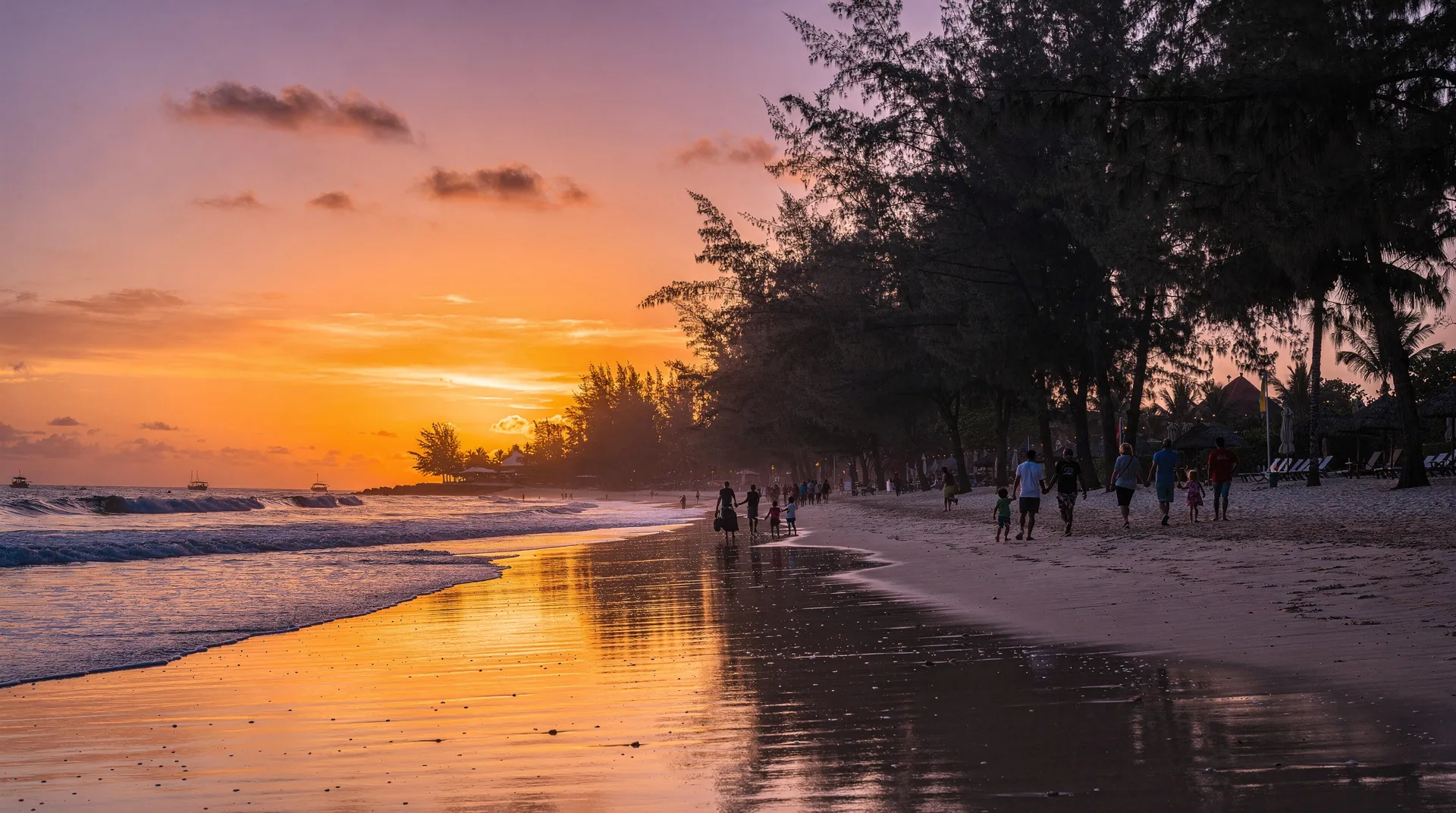
Flic en Flac
Flic en Flac, the longest beach on the west coast: spectacular sunsets, family-friendly, hotels and restaurants. Complete 2026 guide.
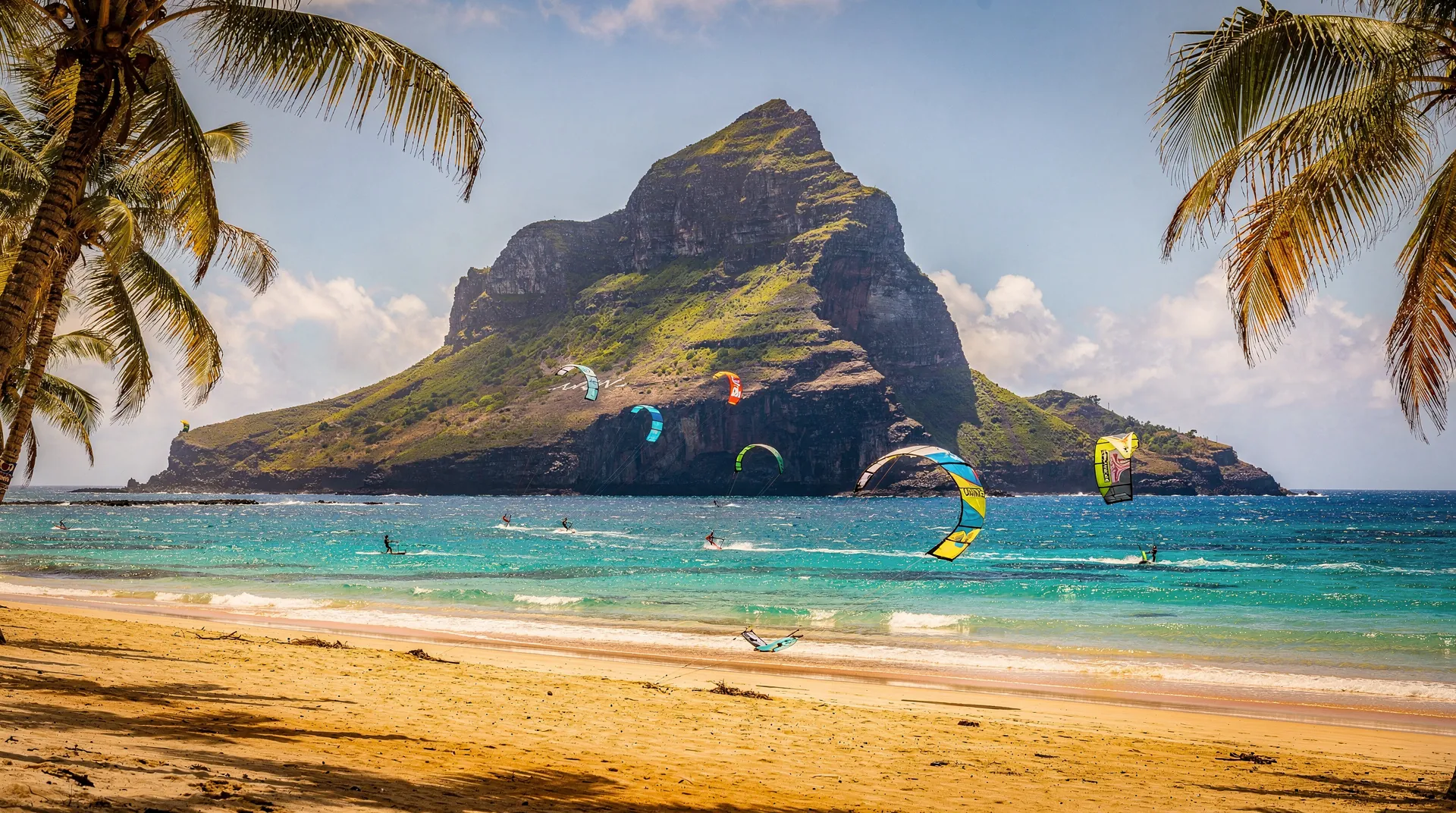
Le Morne
Le Morne Brabant, a UNESCO site and the world capital of kitesurfing: luxury resorts, spectacular lagoons and a moving history. Complete 2026 guide.
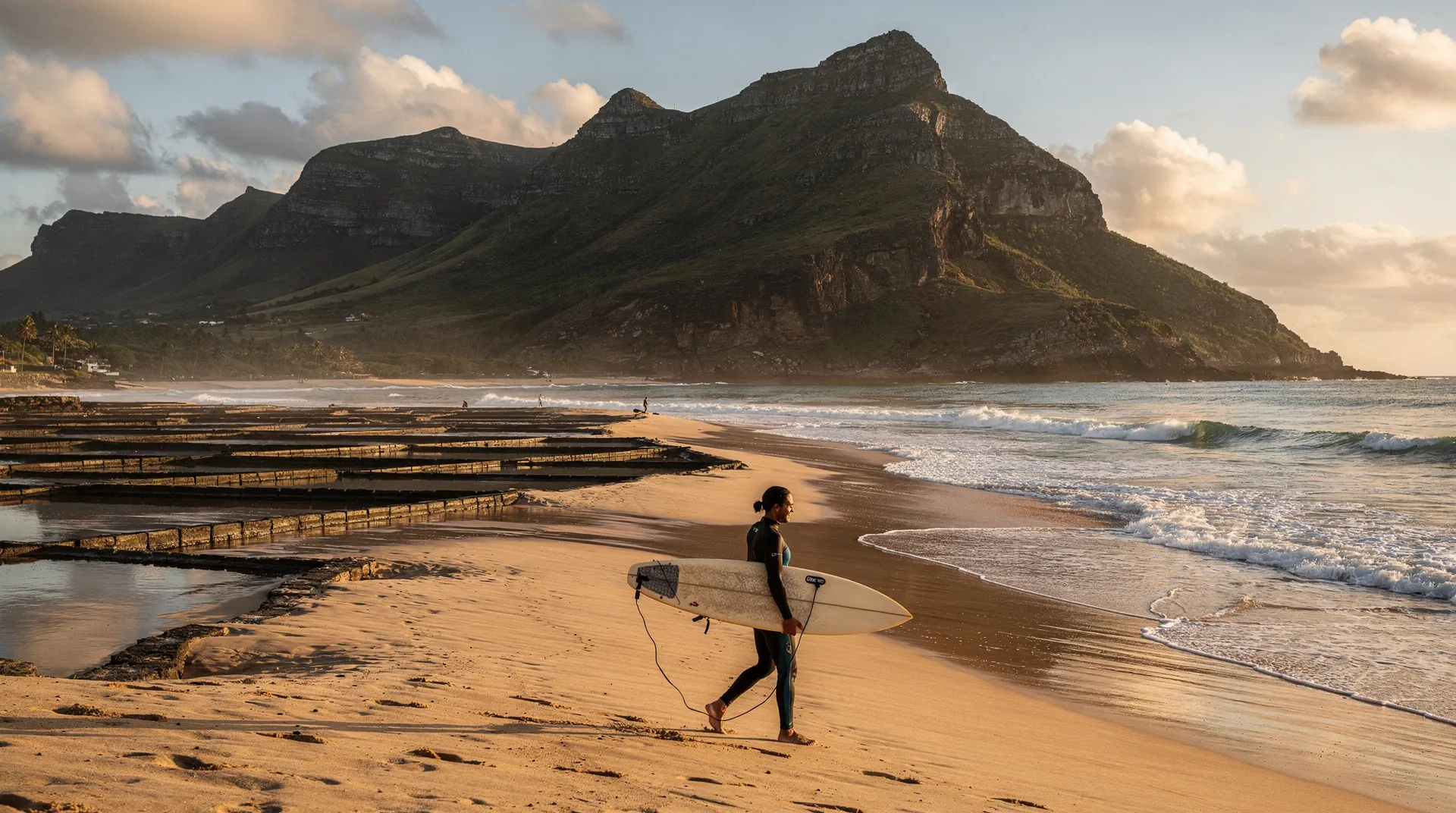
Tamarin
Tamarin, a surf village on the west coast: dolphin watching, historic salt pans, laid-back vibe and easy access to Le Morne. 2026 guide.
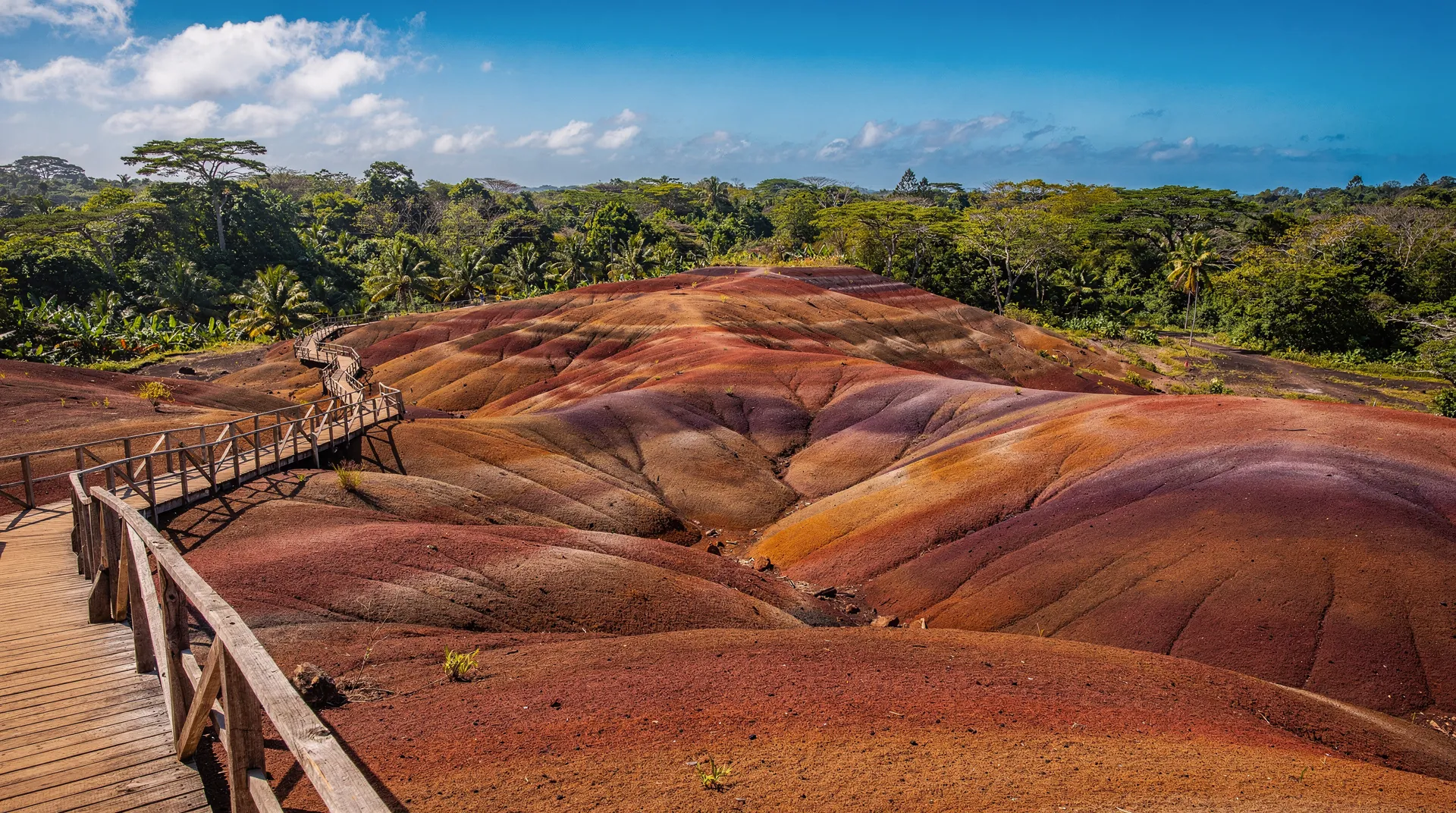
Chamarel
Chamarel in the western mountains: the Seven Coloured Earths, a spectacular waterfall, a rum distillery and tropical forests. Complete 2026 guide.
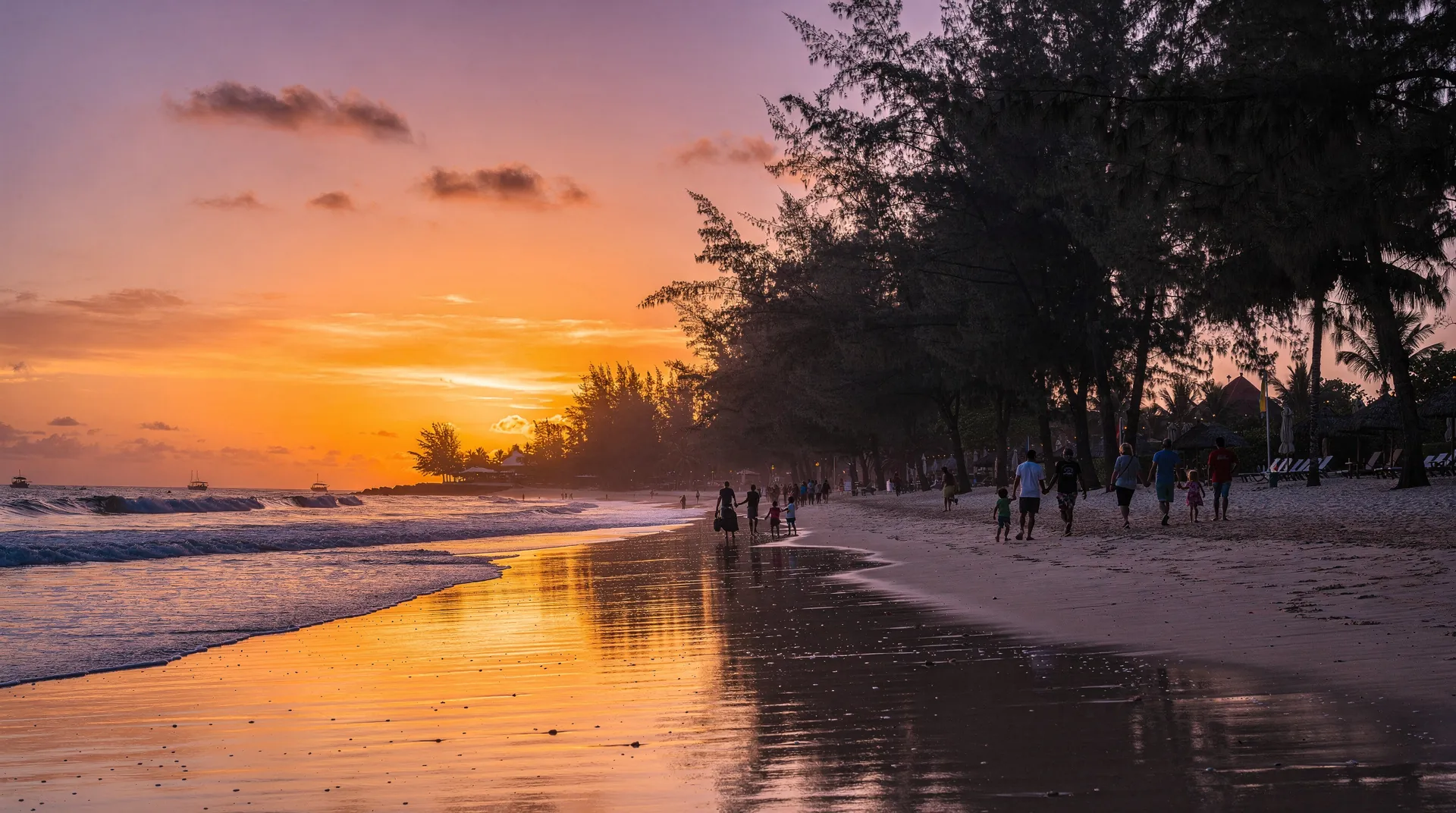
Albion
Albion: historic lighthouse, dramatic cliffs, wild and local west coast of Mauritius. Guide to visiting this authentic village far from mass tourism.
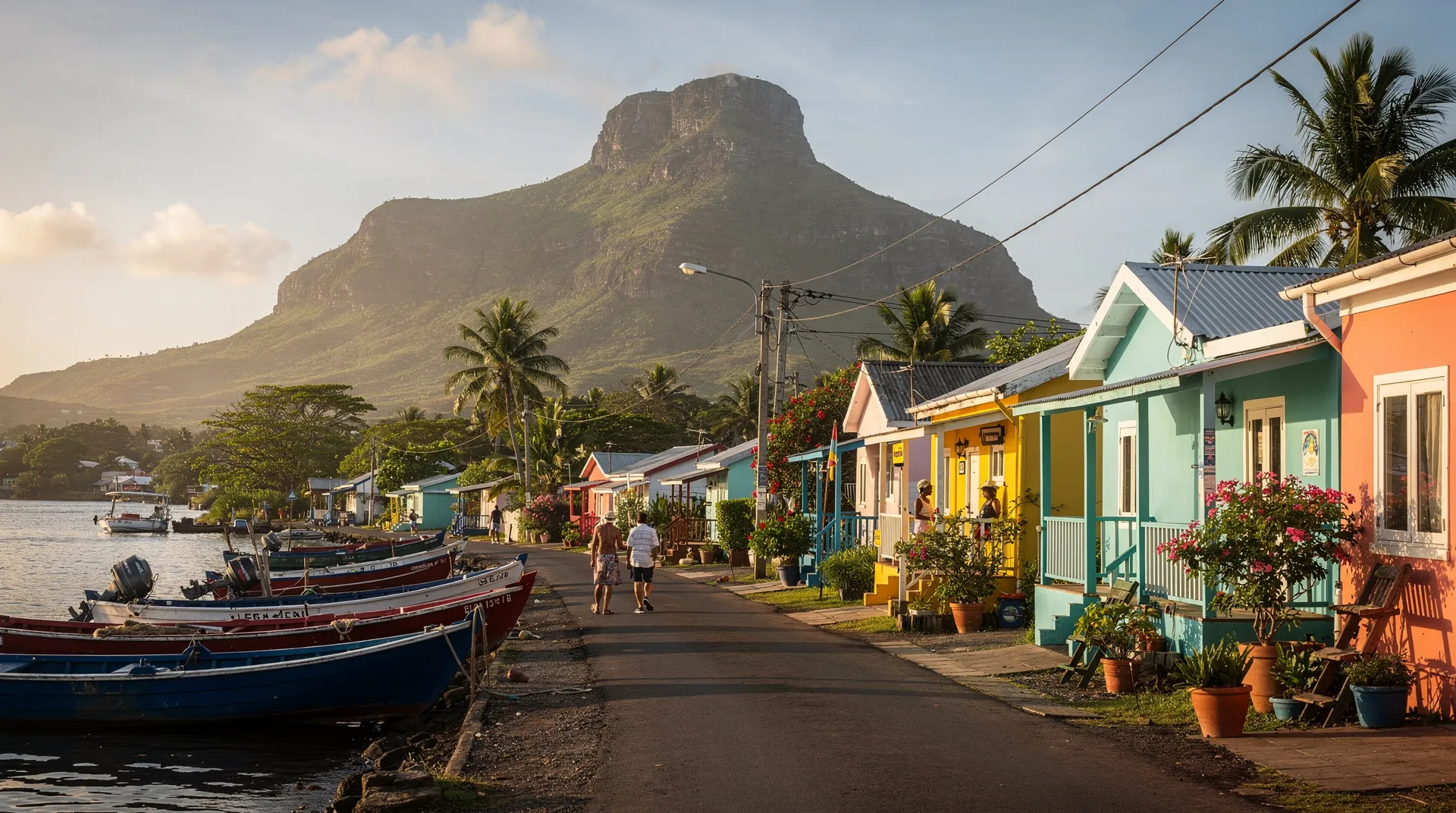
La Gaulette
La Gaulette, a kitesurfing village in the shadow of Le Morne: relaxed vibe, easy budget, and authentic local life. 2026 guide.
North
The north is where the buzz is. Grand Baie, Trou aux Biches, Pereybere: this is where the restaurants, the nightlife and the most accessible beaches are concentrated. Ideal if you want to be at the heart of the action.
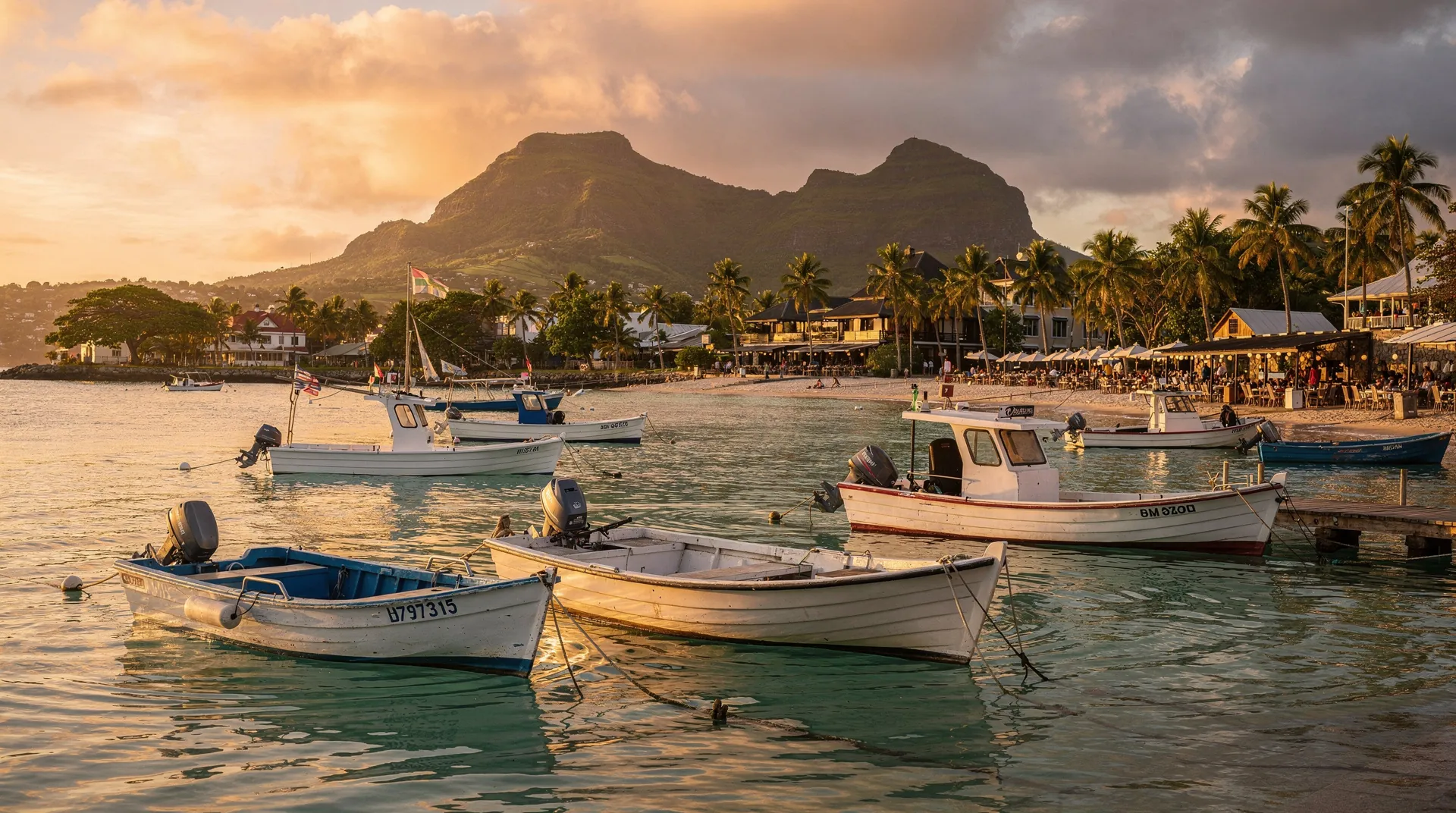
Grand Baie
Grand Baie, the lively beach resort town in northern Mauritius: beaches, restaurants, nightlife, shopping and water sports. Complete 2026 guide.
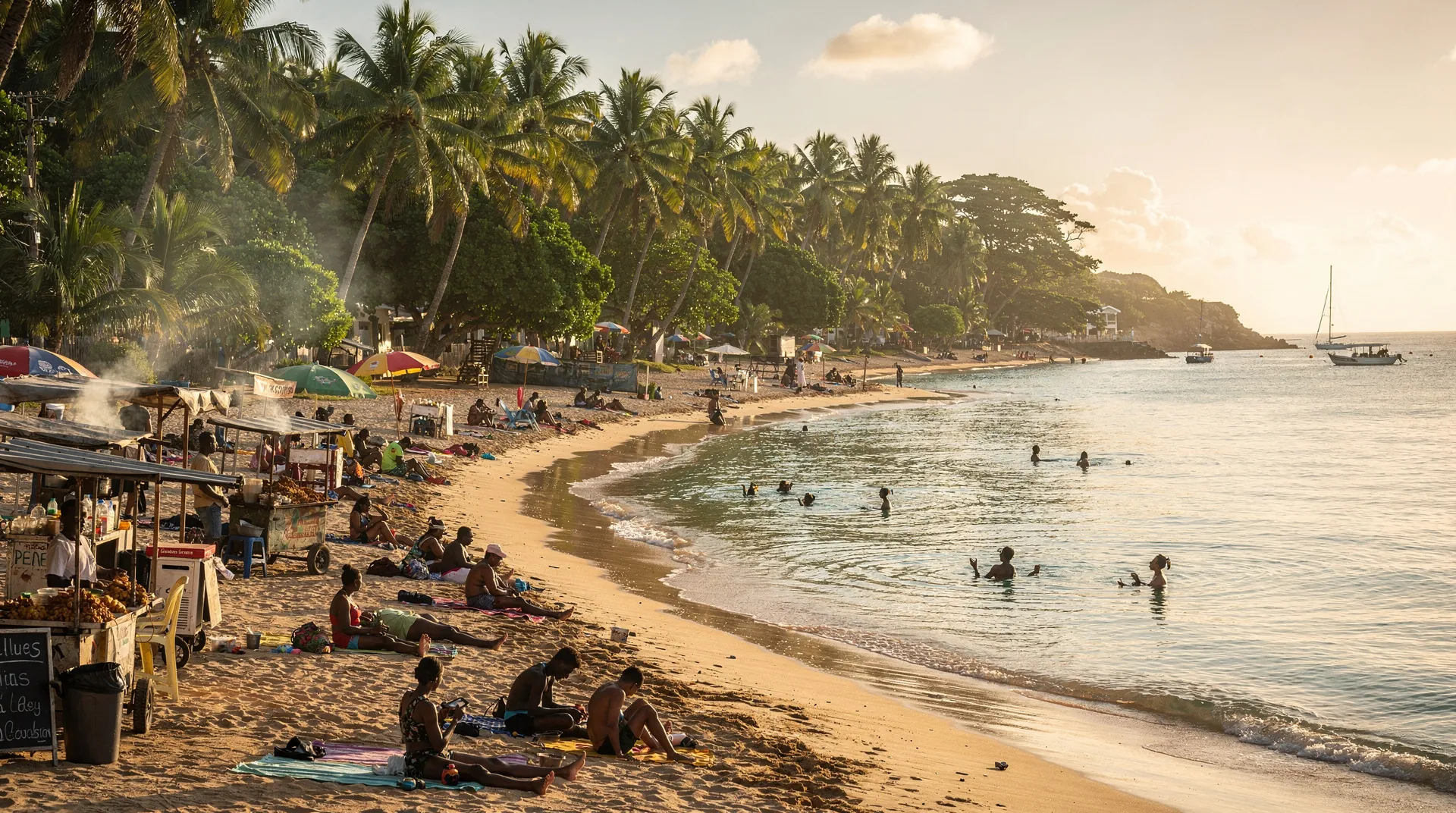
Pereybere
Pereybere, a charming little bay north of Grand Baie: public beach, snorkelling, seaside restaurants and a relaxed vibe. 2026 guide.
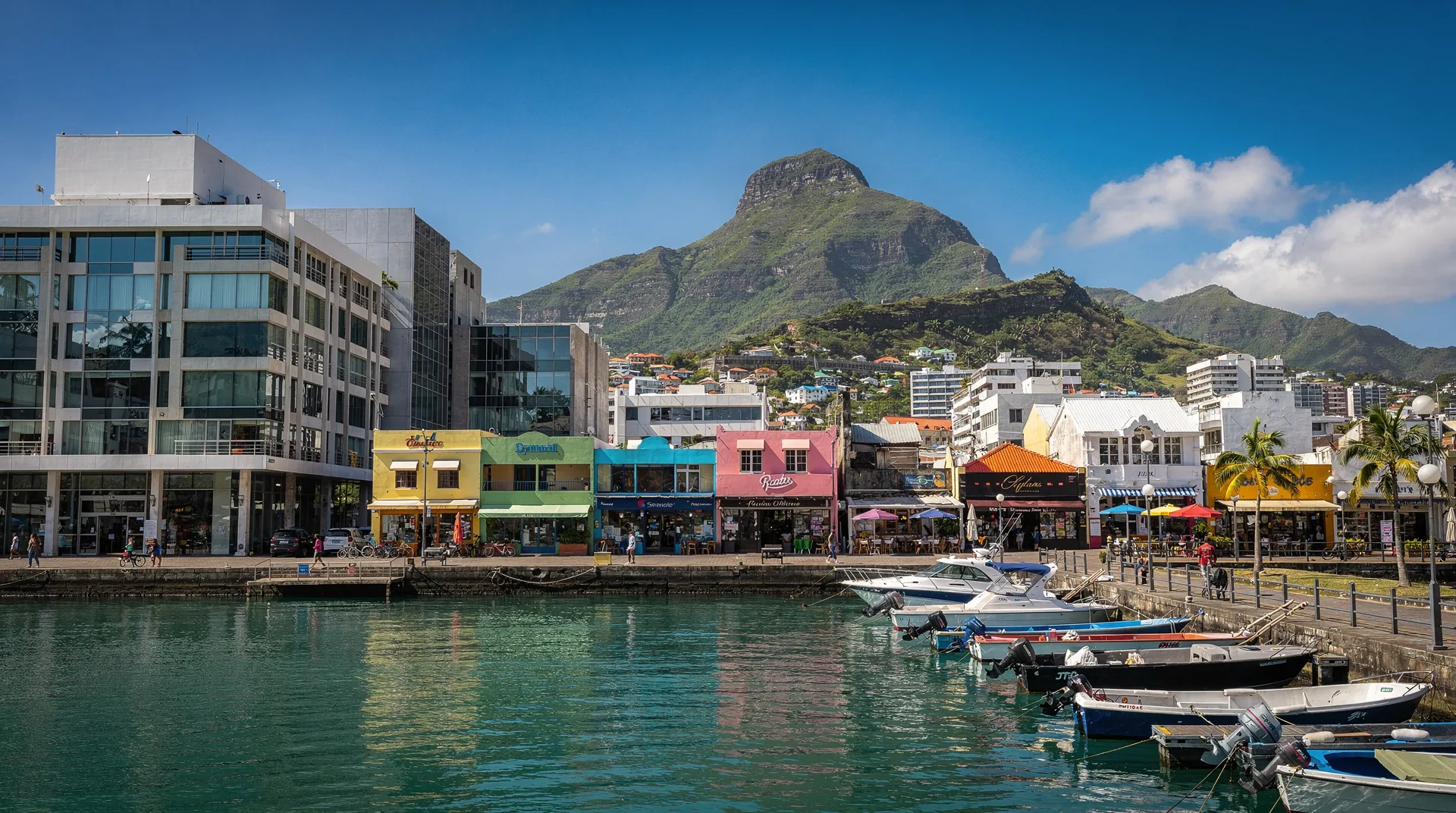
Port Louis
Port Louis, the capital of Mauritius: Central Market, Caudan Waterfront, Chinatown, museums and cultural life. Complete guide to exploring the city.
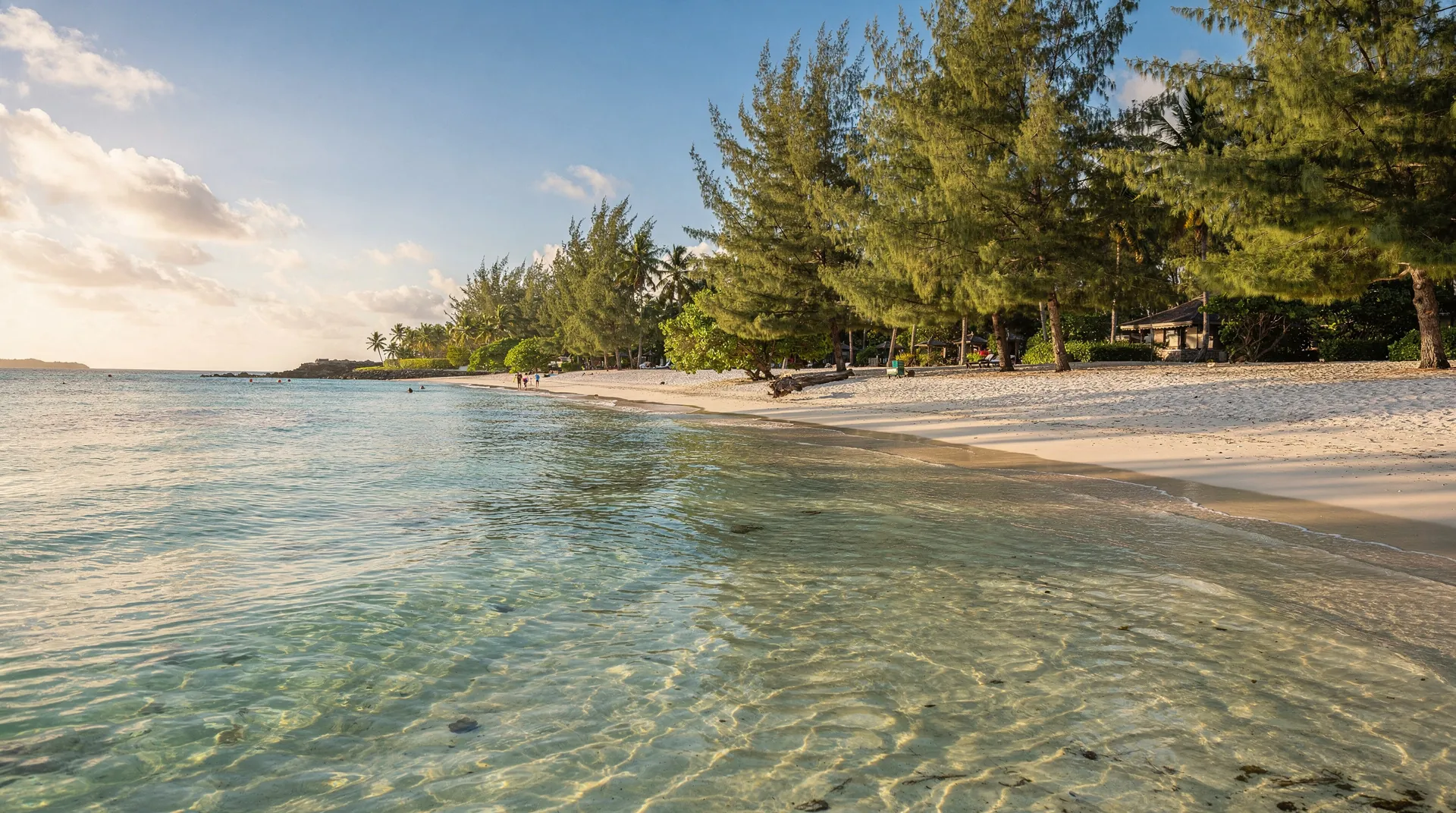
Trou aux Biches
Trou aux Biches, a peaceful family beach on the north coast: snorkelling, turquoise waters, charming hotels and a relaxed atmosphere. Full 2026 guide.
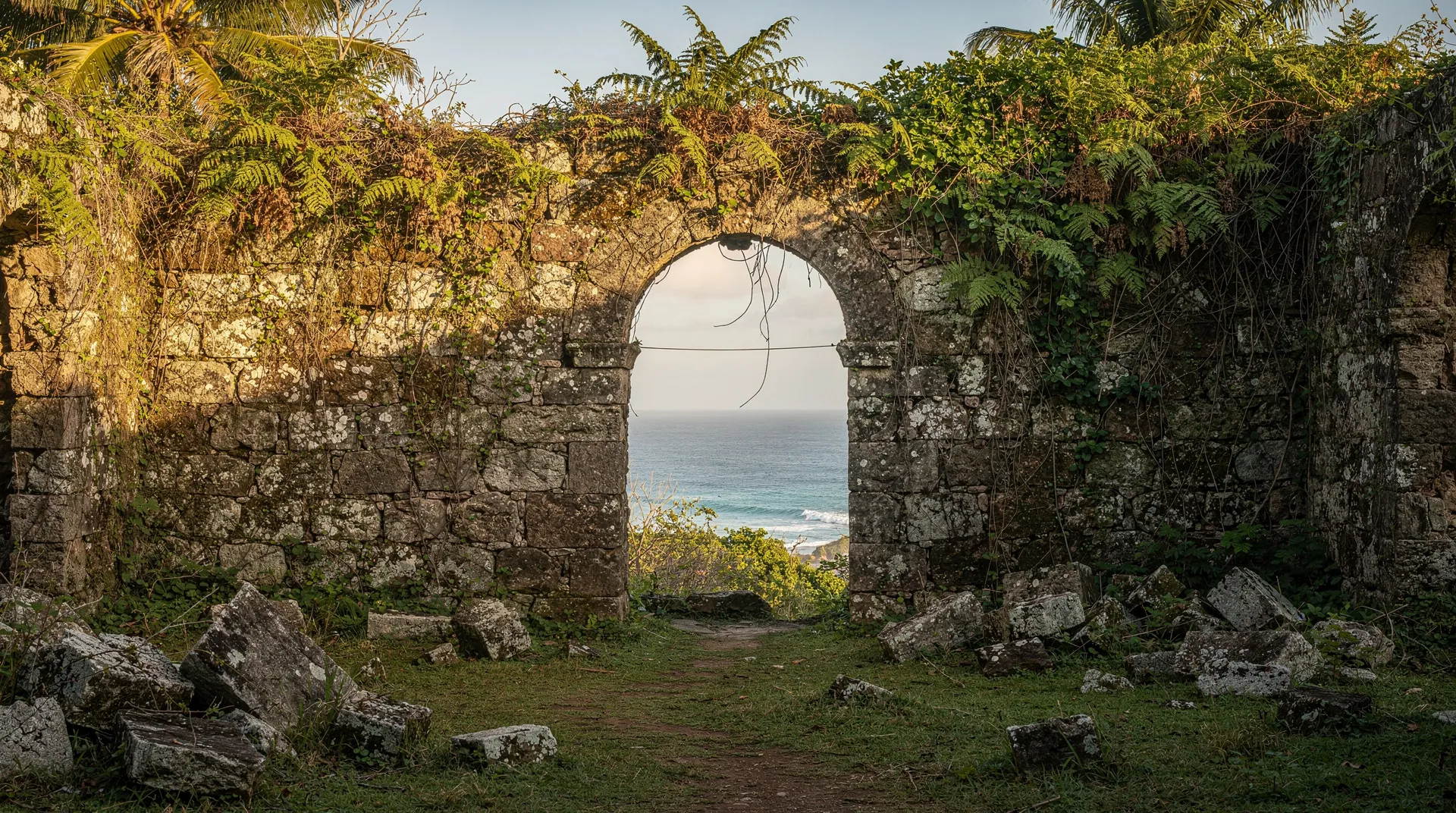
Balaclava and Pointe aux Piments
Balaclava and Pointe aux Piments on the northwest coast: French ruins, a sea turtle rehabilitation center, family resorts and beaches.
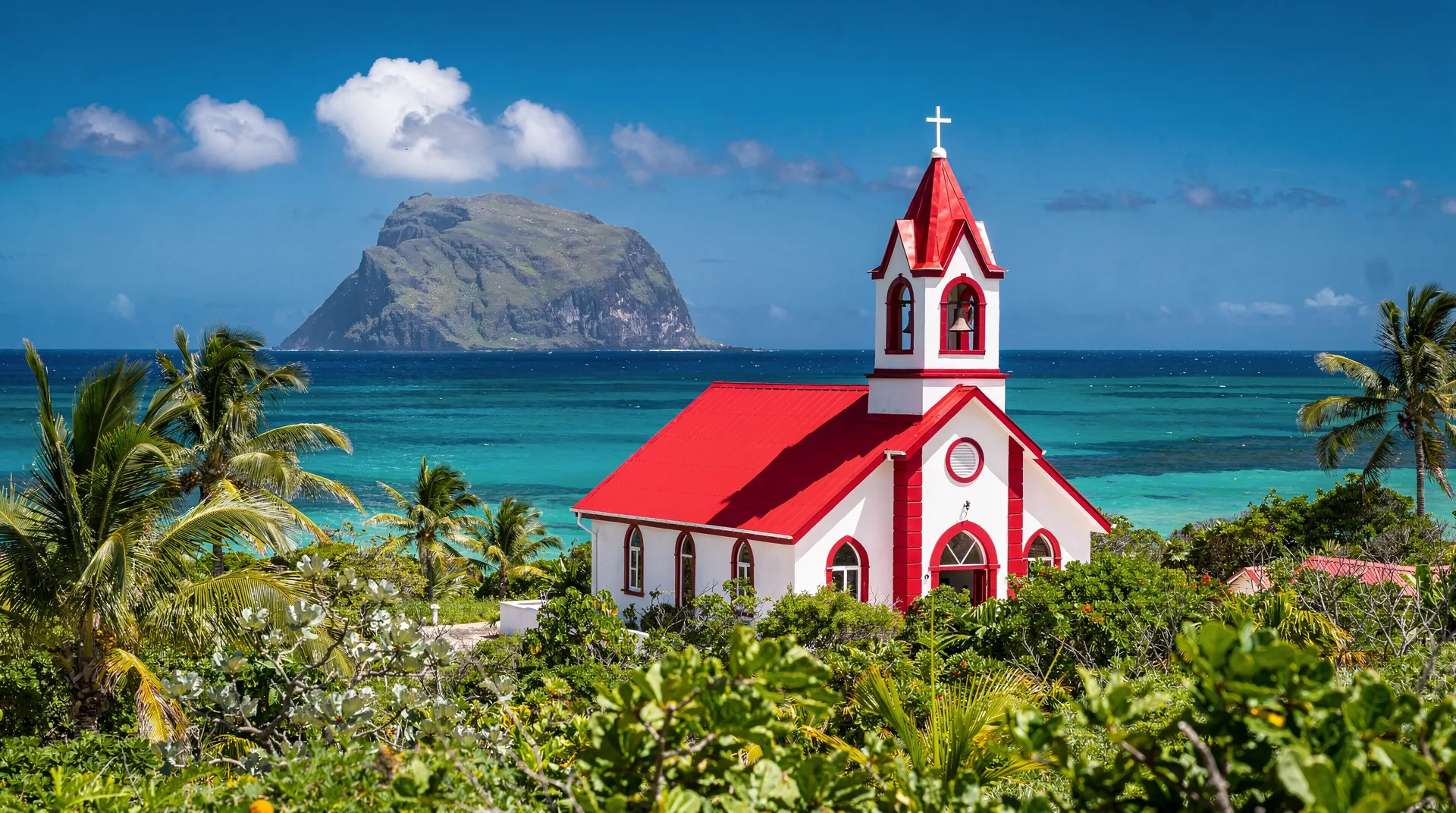
Cap Malheureux
Cap Malheureux, a peaceful village at the northern tip of Mauritius: red-roofed church, views of Coin de Mire, quiet beaches. Complete 2026 guide.
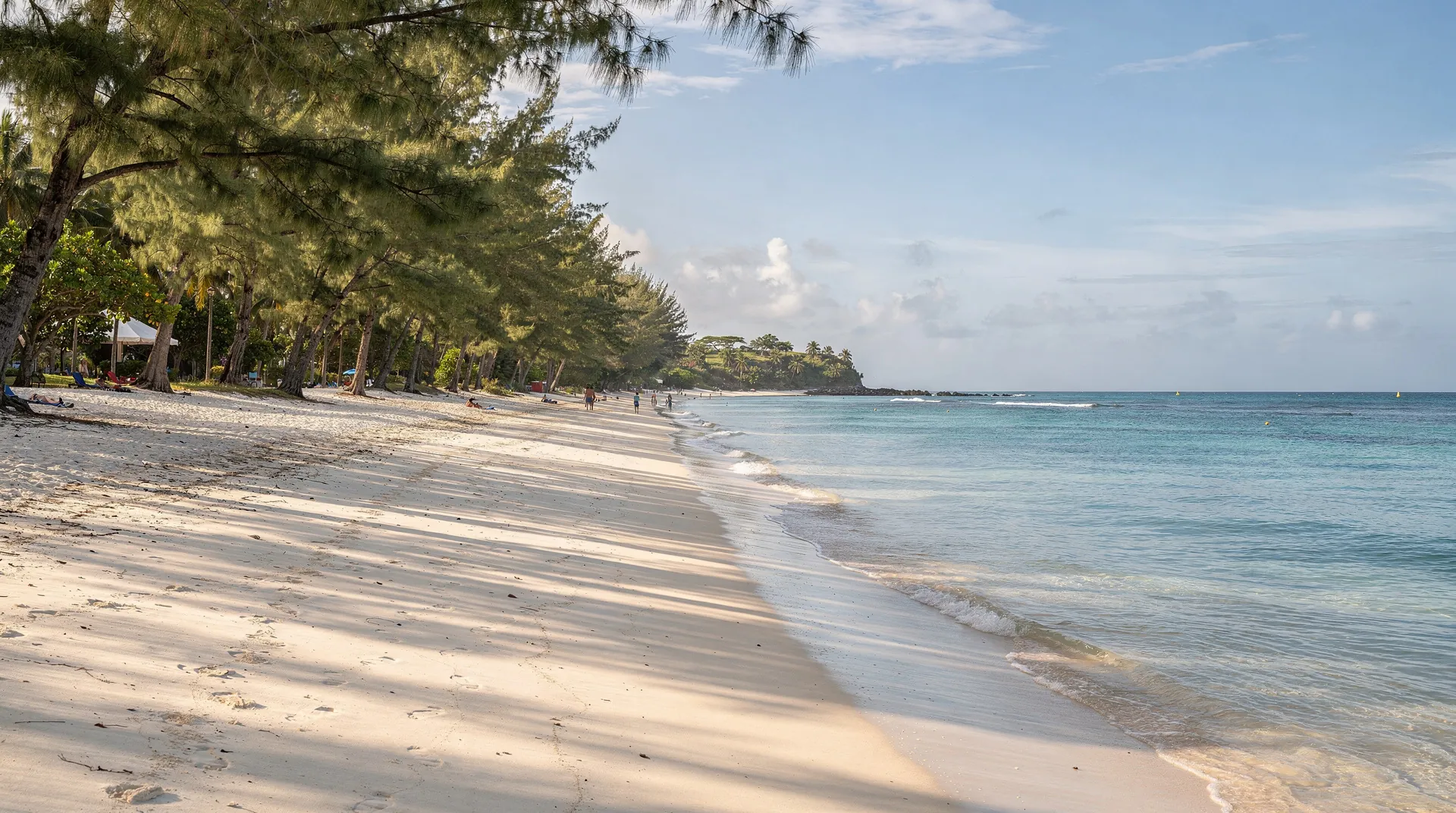
Mont Choisy
Mont Choisy, a long wild beach lined with casuarina trees on Mauritius's north coast. Local vibe, calm waters, easy access from Grand Baie. 2026 guide.
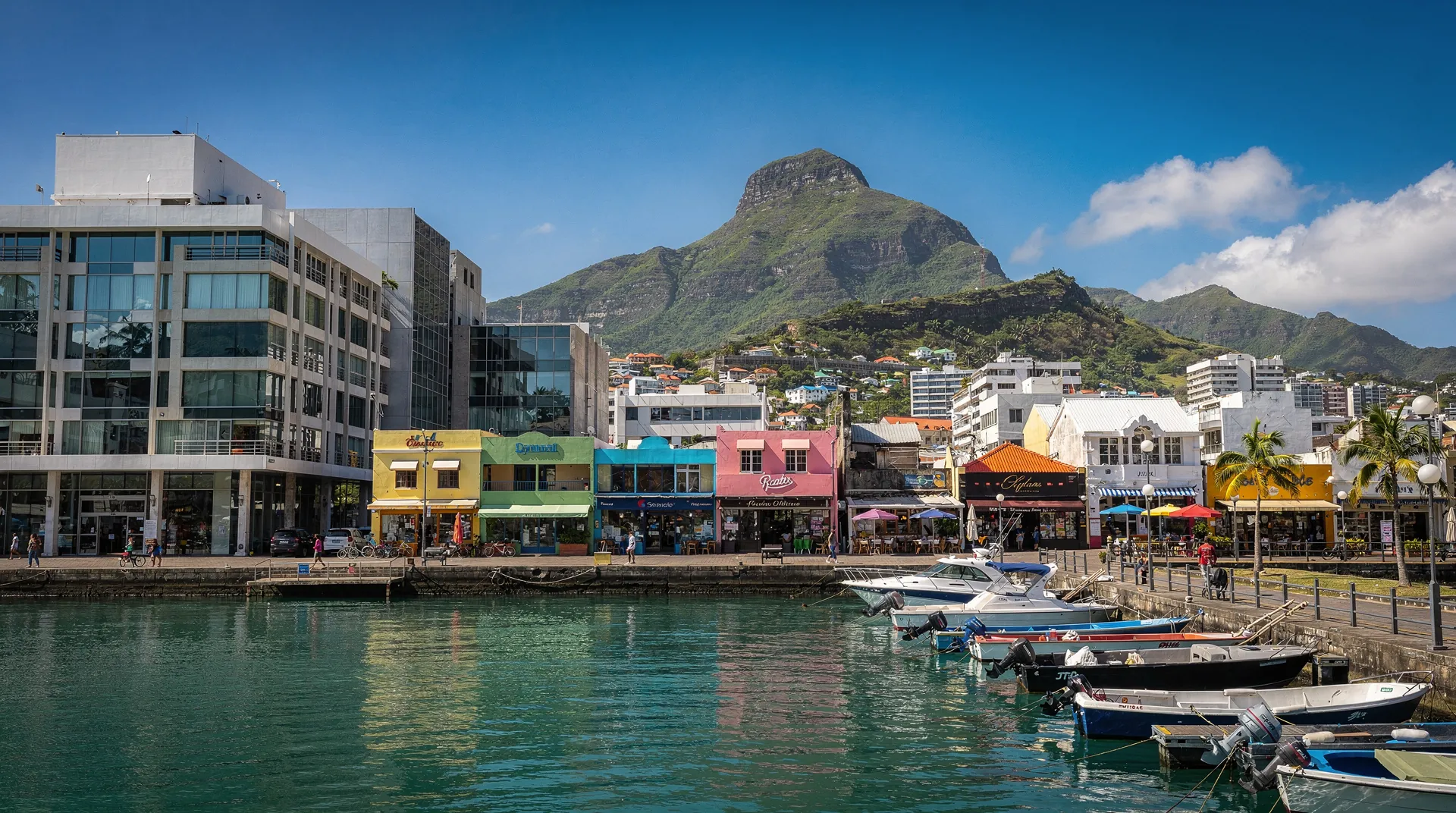
Pamplemousses
Pamplemousses: royal botanical garden, L'Aventure du Sucre museum, colonial château. Complete guide to visiting this historic jewel of northern Mauritius.
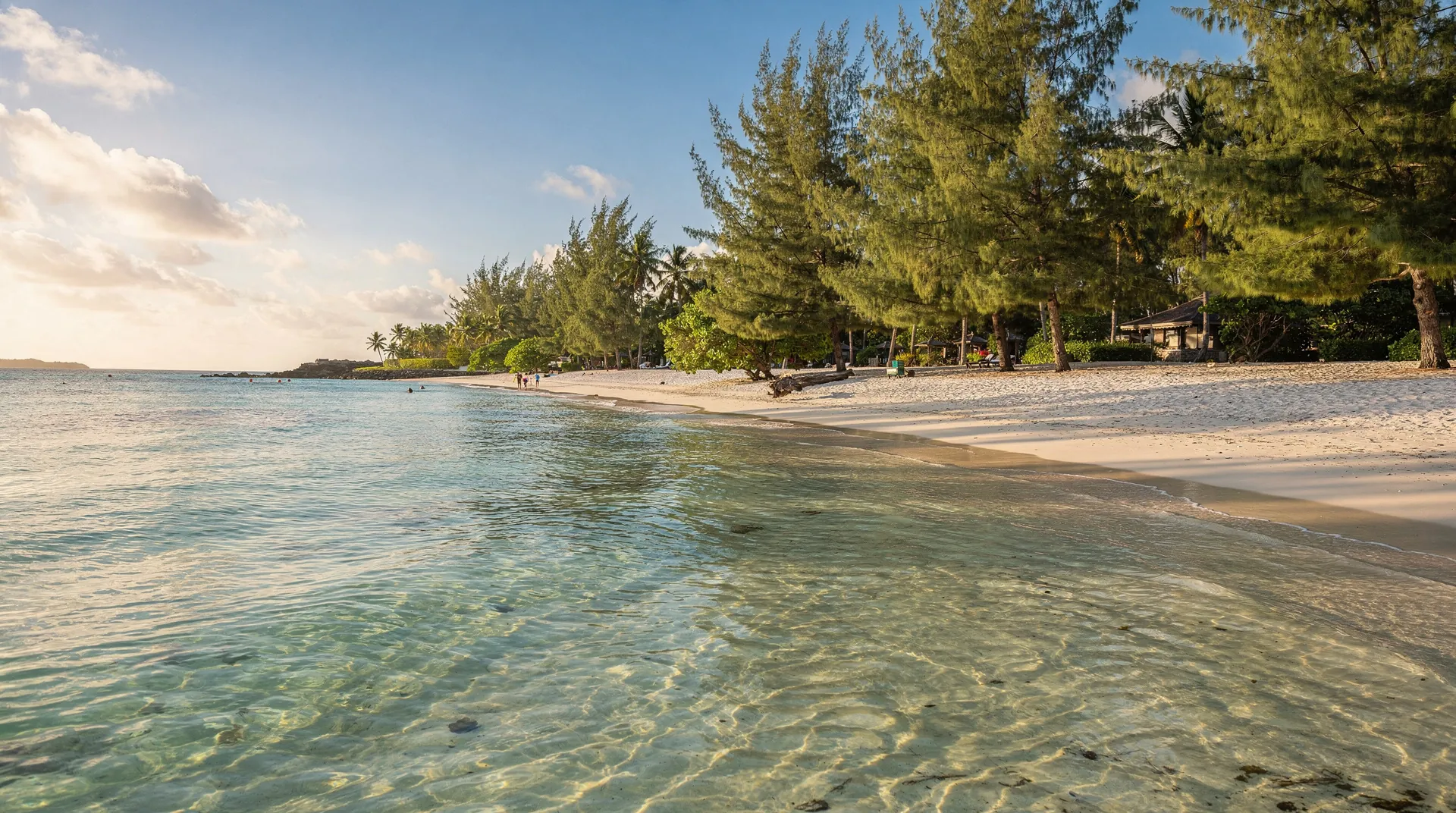
Pointe aux Piments
Pointe aux Piments: peaceful north coast, sea turtle conservation project, family-friendly resorts and a crystal-clear lagoon.
East
The east is the territory of big resorts and endless beaches. Belle Mare, Trou d'Eau Douce and access to Ile aux Cerfs: this is the coast of quiet luxury. Watch out for wind between June and September.
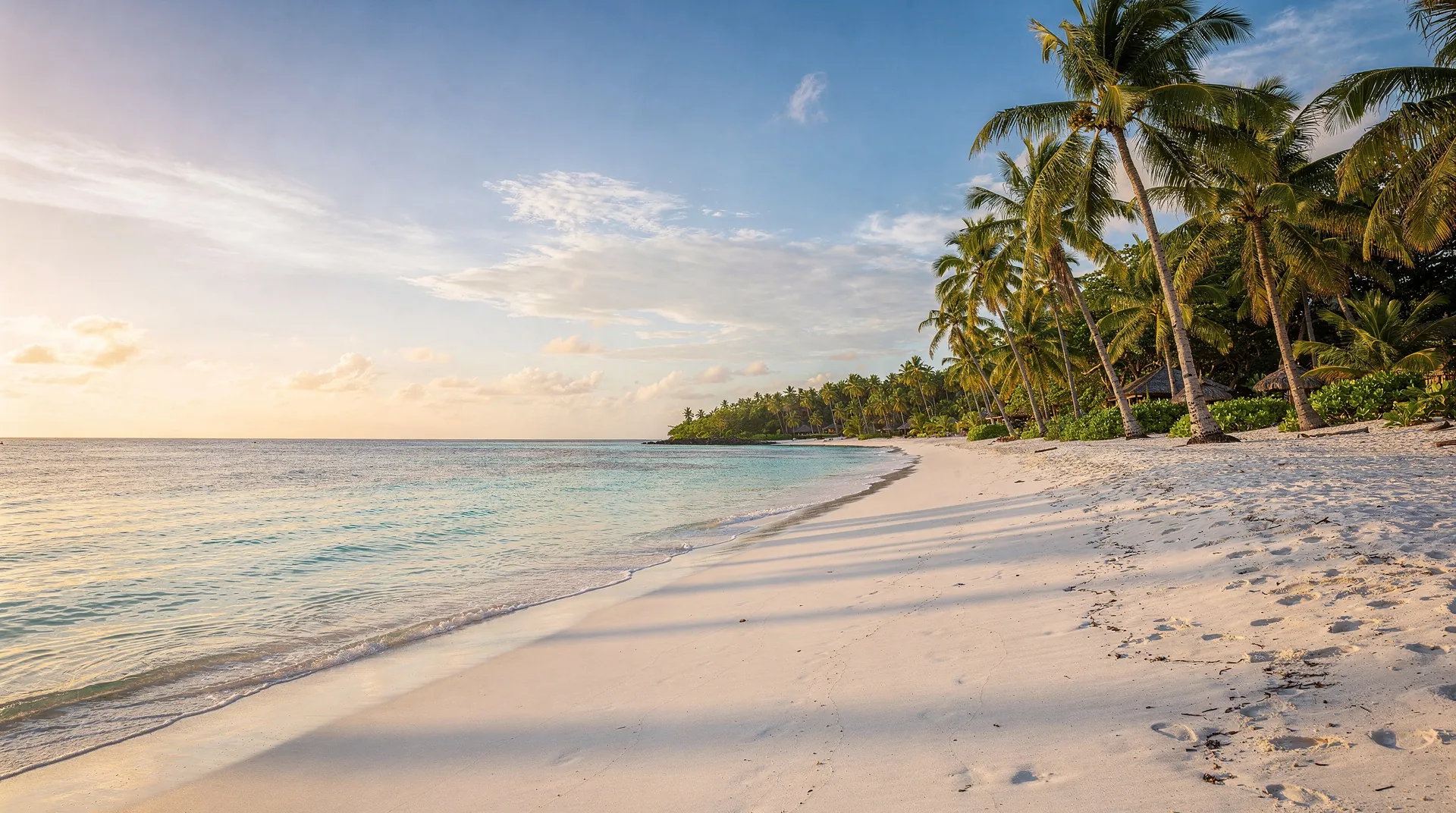
Belle Mare
Belle Mare, the finest beach on the east coast: pristine white sand, calm turquoise water and grand luxury hotels. Complete 2026 guide.
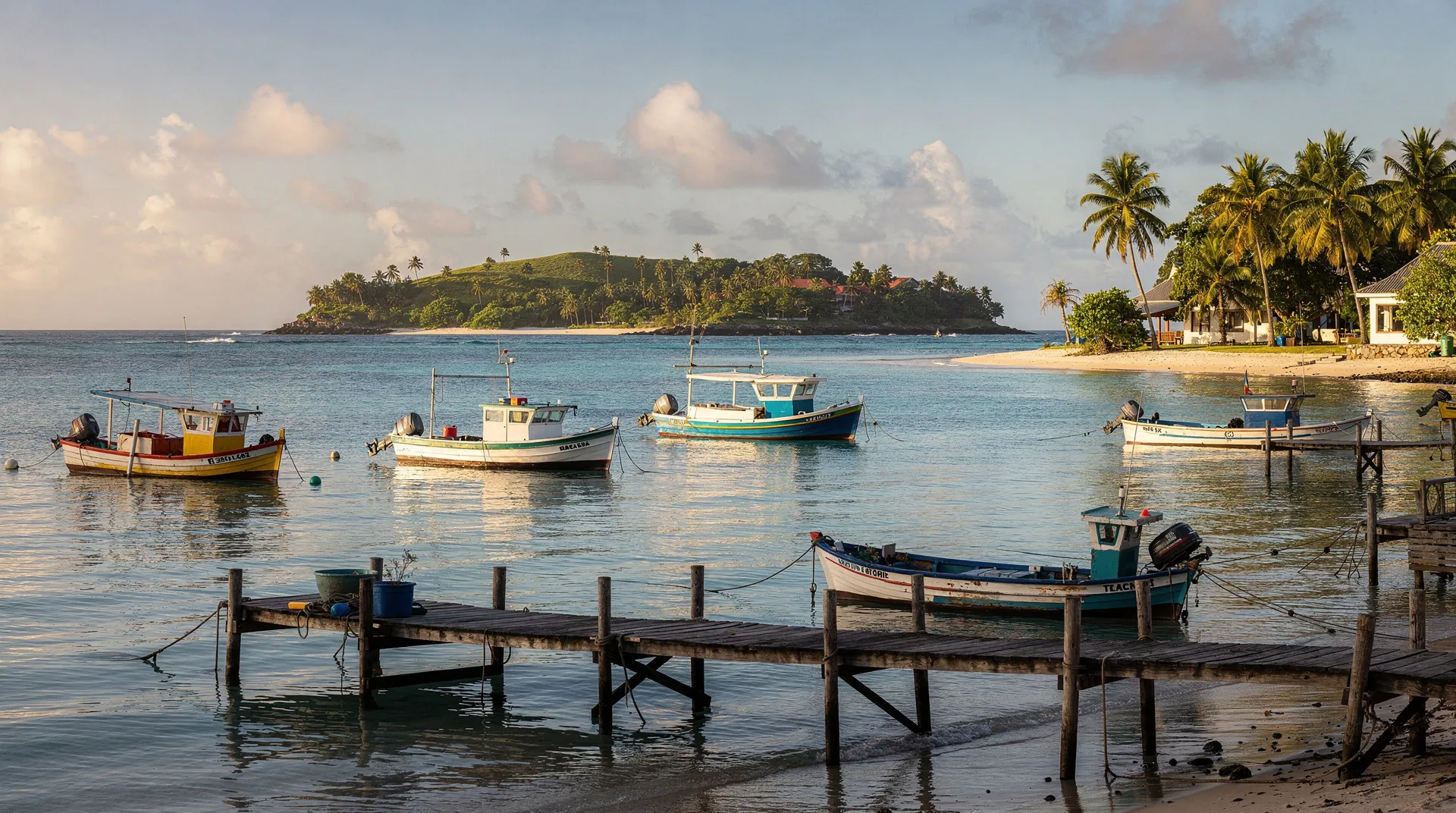
Trou d'Eau Douce
Trou d'Eau Douce, a peaceful east coast village: the departure point for Ile aux Cerfs, luxury resorts and a laid-back atmosphere. 2026 Guide.
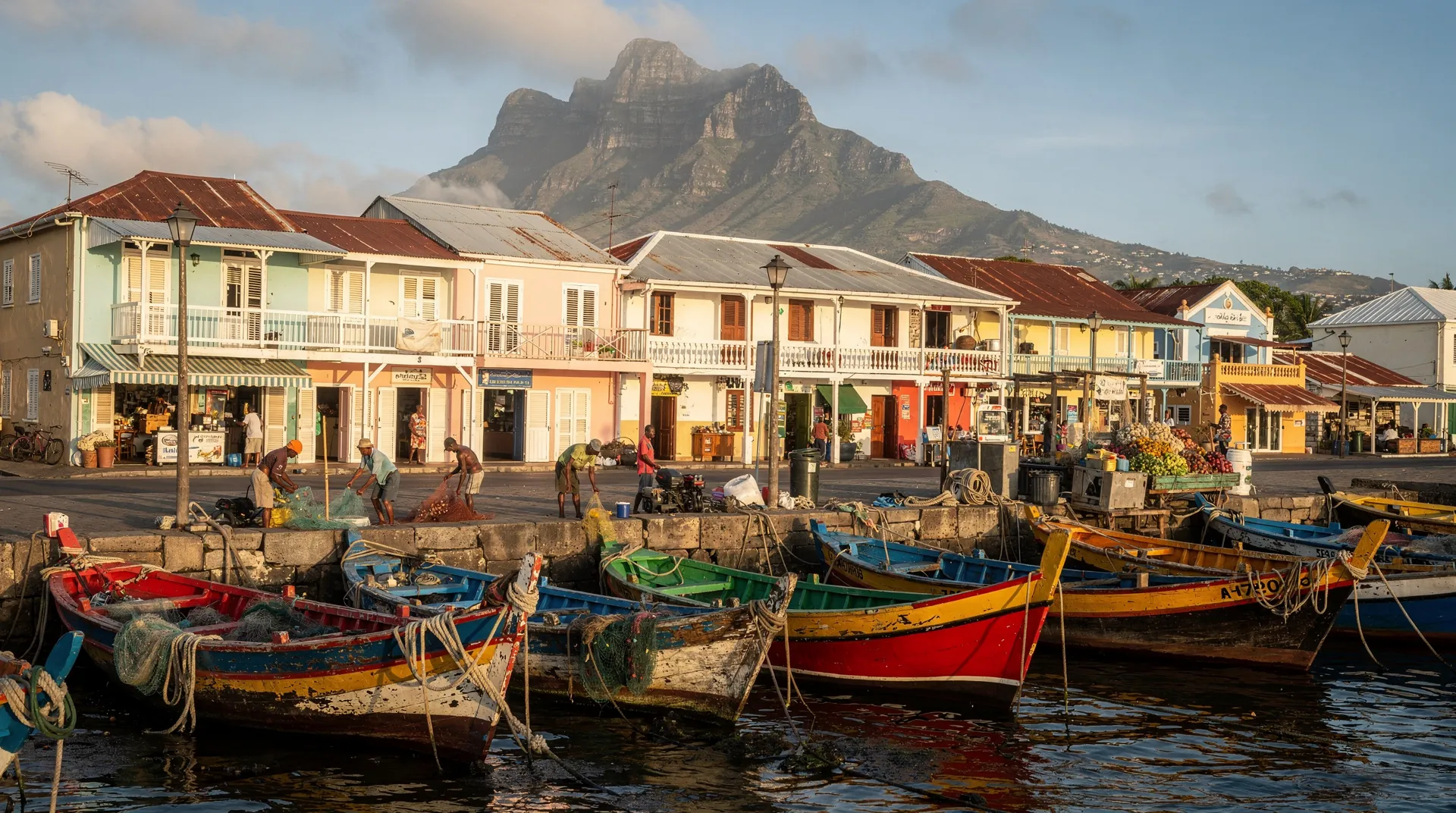
Flacq
Flacq: the east coast's capital with its unmissable Sunday market, unspoiled beaches, and authentic Mauritian life. Complete guide.
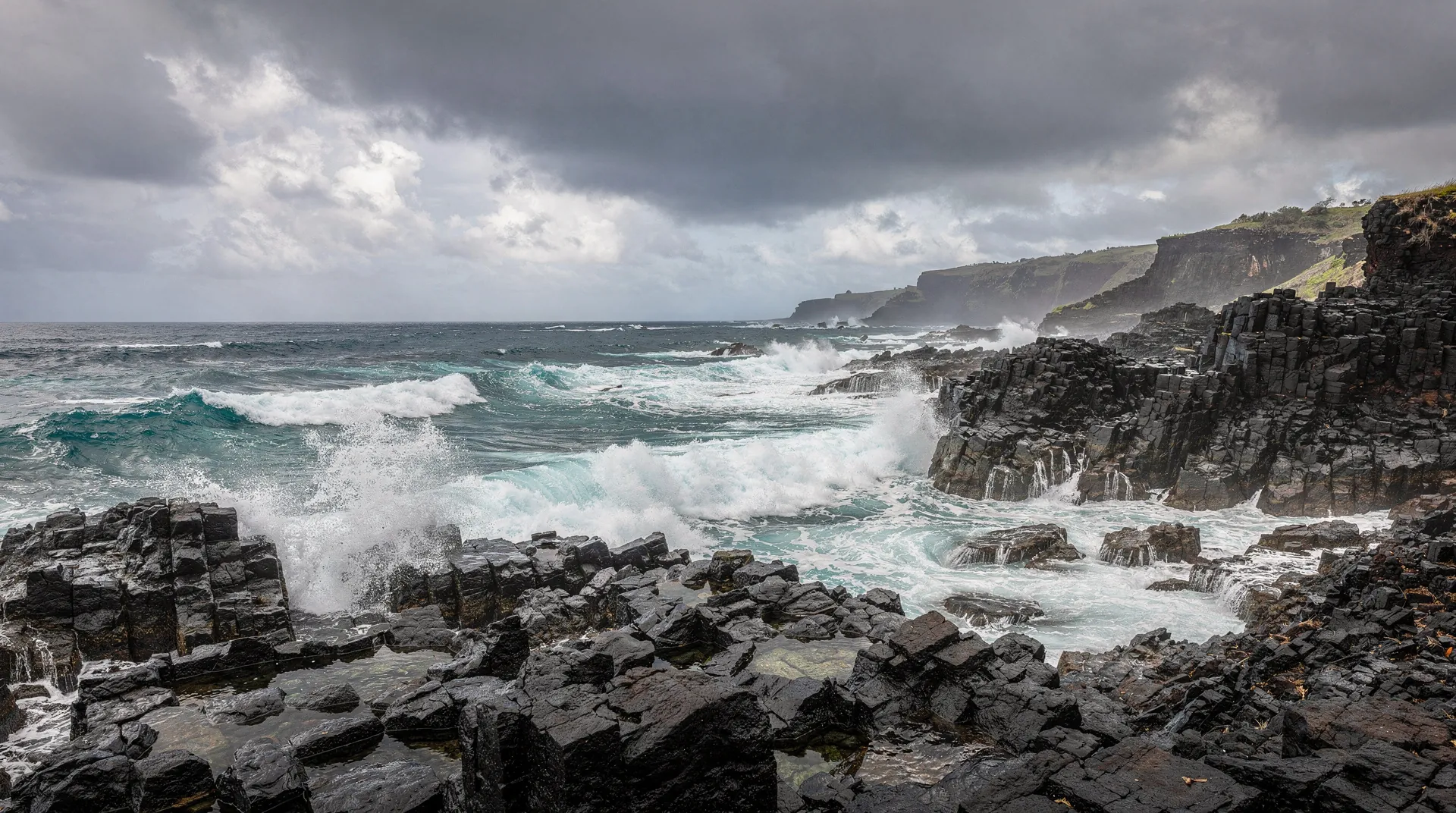
Roches Noires
Roches Noires, Mauritius east coast: spectacular basalt, surf waves, secluded beach and a wild atmosphere far from the resorts. 2026 guide.
Southeast
Blue Bay and Mahebourg make up the southeast, more authentic and less touristy. This is where you'll find the island's best snorkeling and a well-preserved local atmosphere.
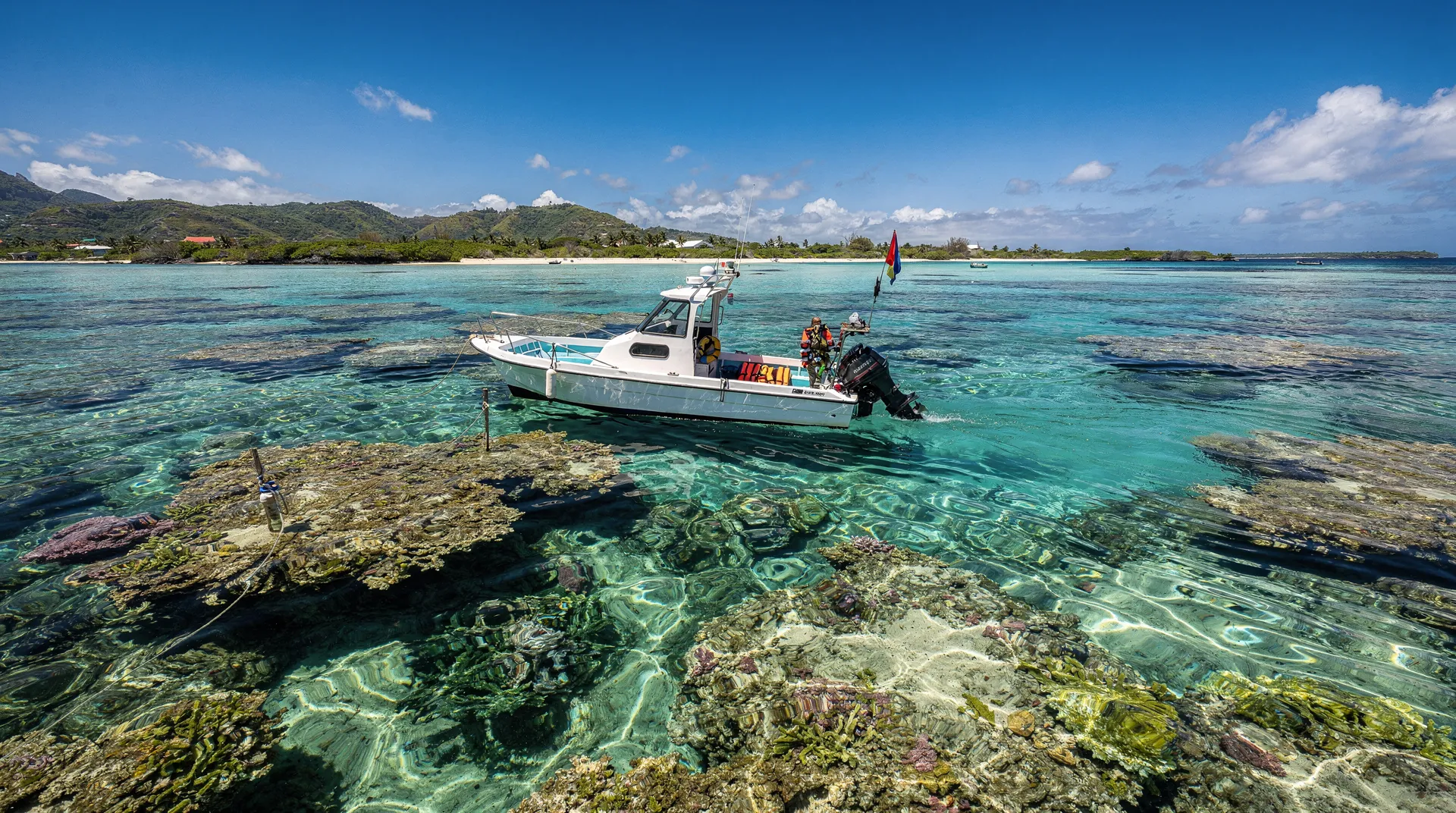
Blue Bay
Blue Bay, a gem in southeast Mauritius: protected marine park, exceptional snorkeling, turquoise waters and authentic local atmosphere. 2026 Guide.
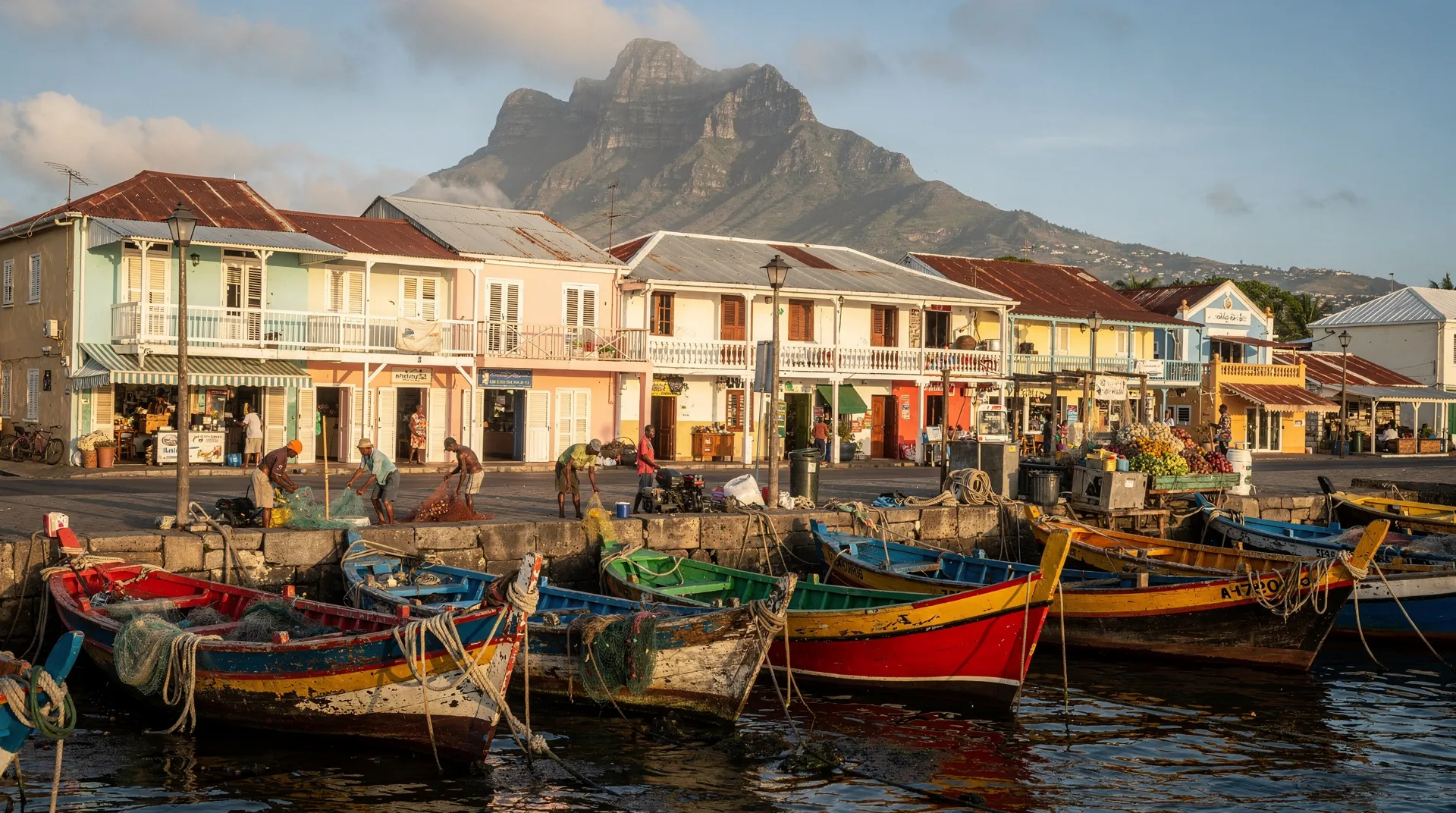
Mahébourg
Mahébourg, an authentic town in the southeast: a lively Monday market, a historical museum, a scenic bay and an ideal base for exploring the south.
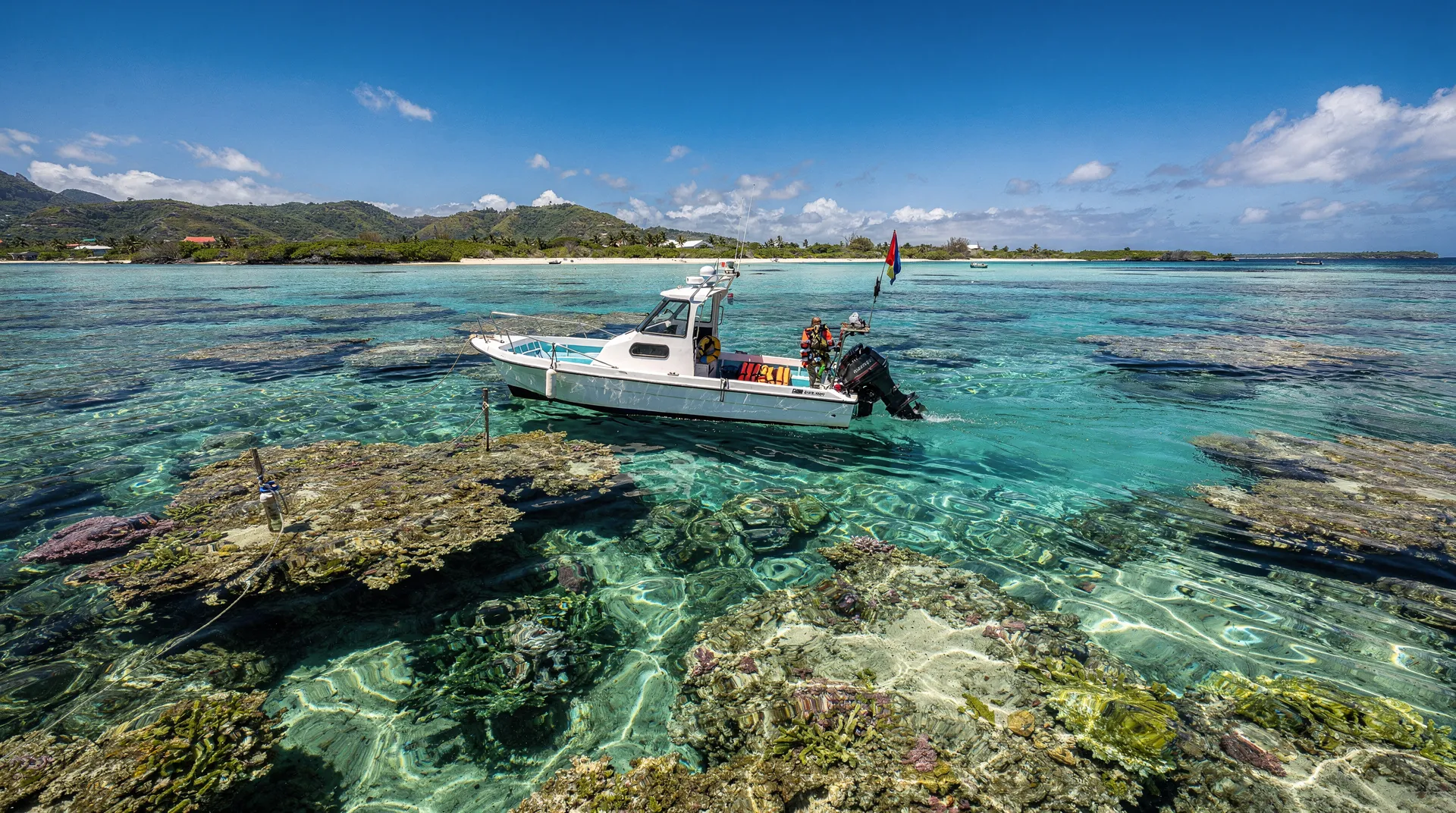
Île aux Aigrettes
Île aux Aigrettes: island nature reserve, giant tortoises, endemic birds, fossil coral. Complete guide to visiting this island.
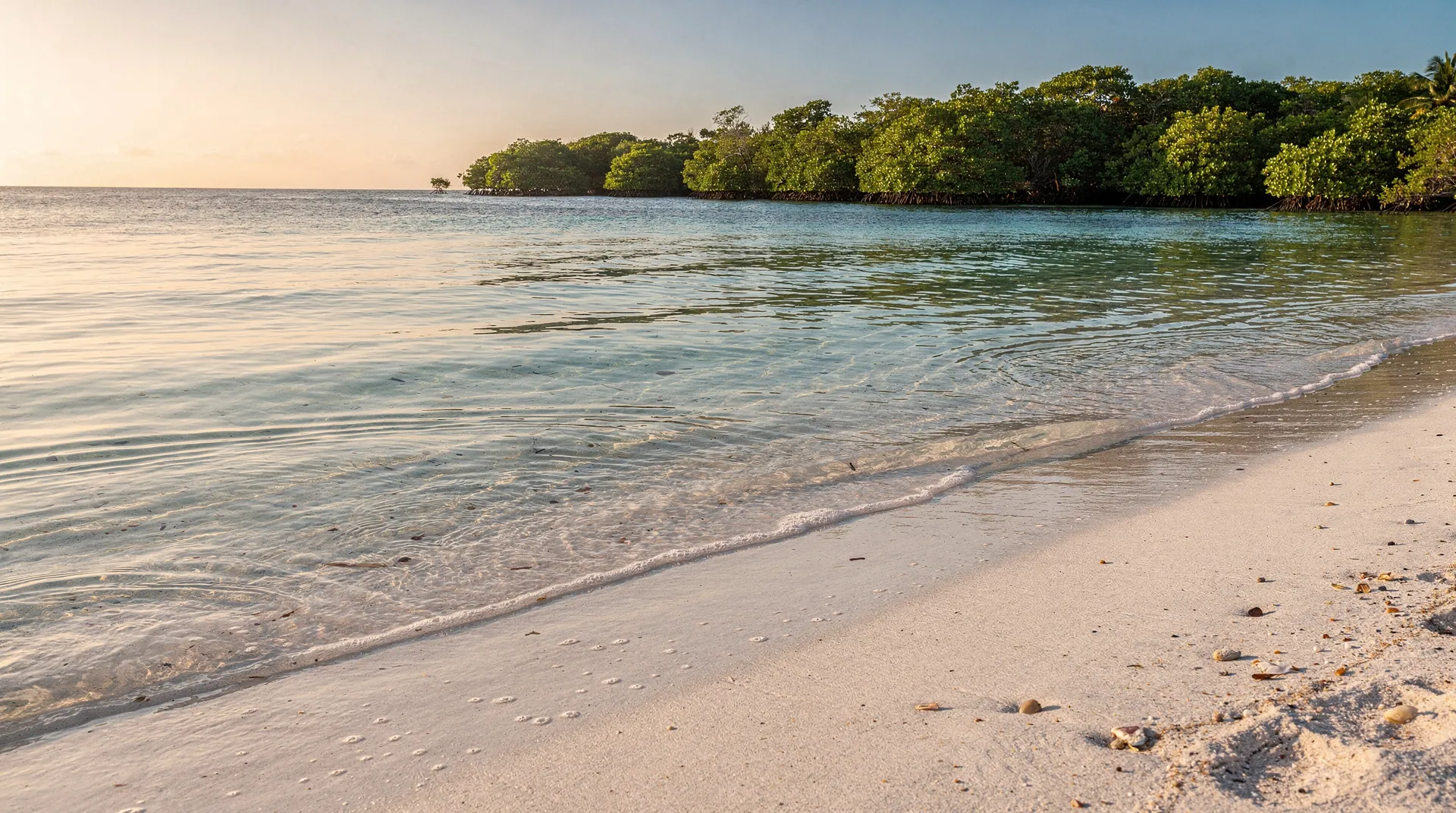
Pointe d'Esny
Pointe d'Esny, a hidden beach in southeast Mauritius: clear lagoon, exceptional snorkeling, protected mangroves, and an atmosphere far from the crowds.
South
The south is Mauritius in its raw form. The Gris-Gris cliffs, Rochester Falls, Bel Ombre and its nature reserves: this is the area for hikers and those seeking peace and quiet.
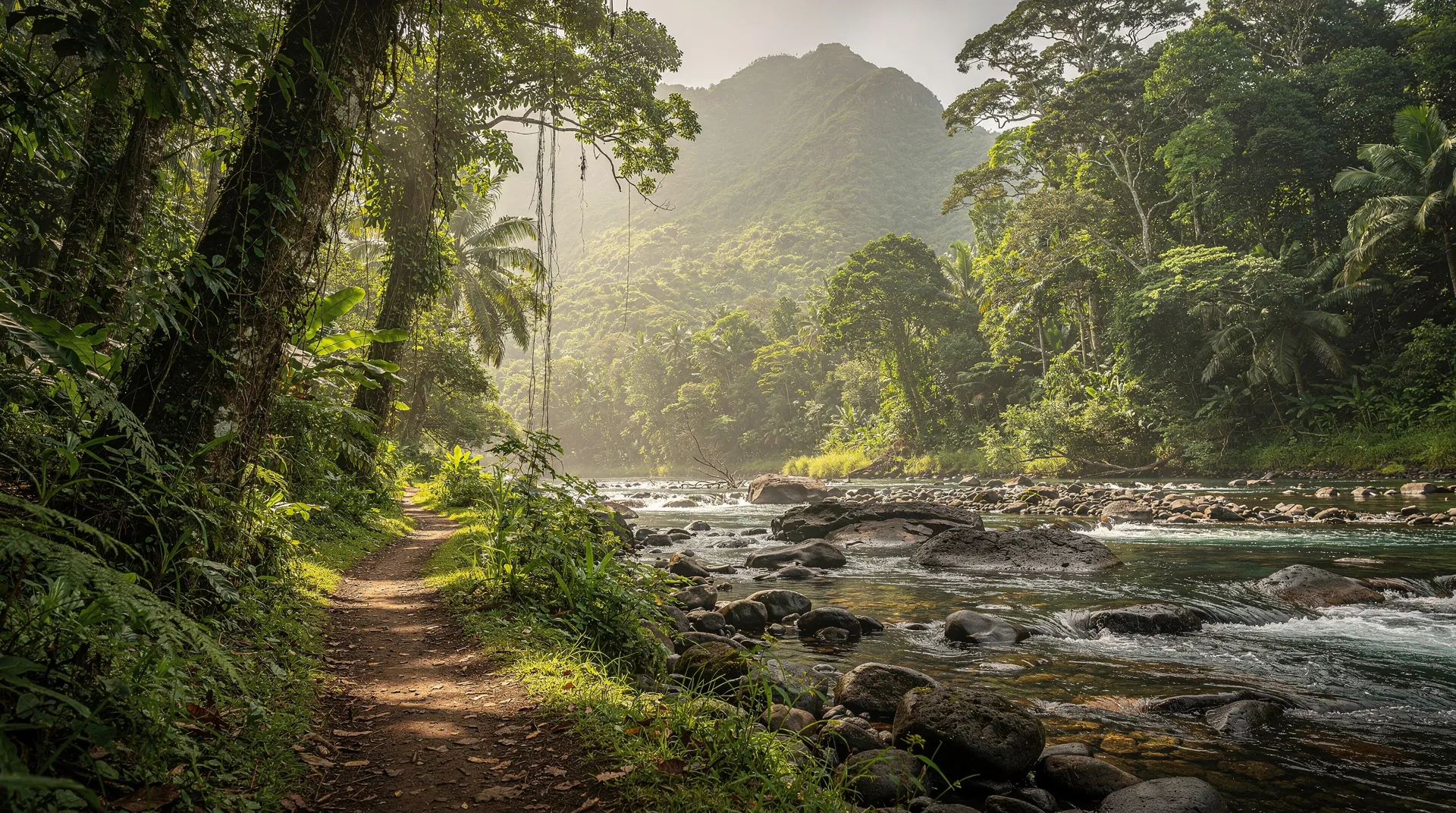
Bel Ombre
Bel Ombre on Mauritius' south coast: a pristine nature reserve, discreet luxury resorts, hiking and wild beaches. Complete 2026 guide.
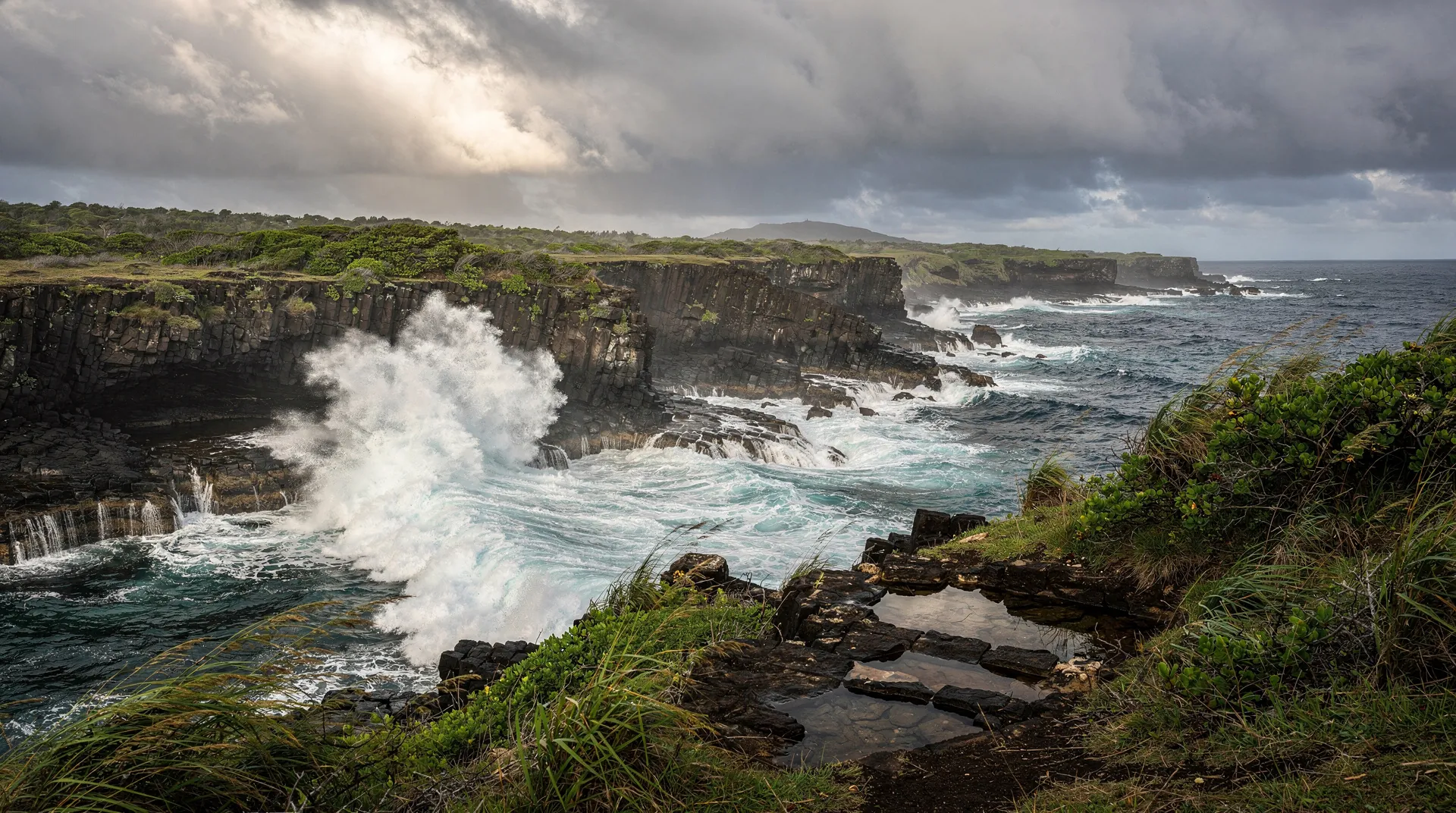
Souillac
Souillac on the wild south coast of Mauritius: Gris-Gris cliffs, Rochester Falls, Telfair Garden and authenticity far from mass tourism. 2026 guide.
Central Plateau
The central plateau is often overlooked by tourists, but it's where the island's heart truly beats. Curepipe, Quatre Bornes, the Trou aux Cerfs crater: another side of Mauritius.
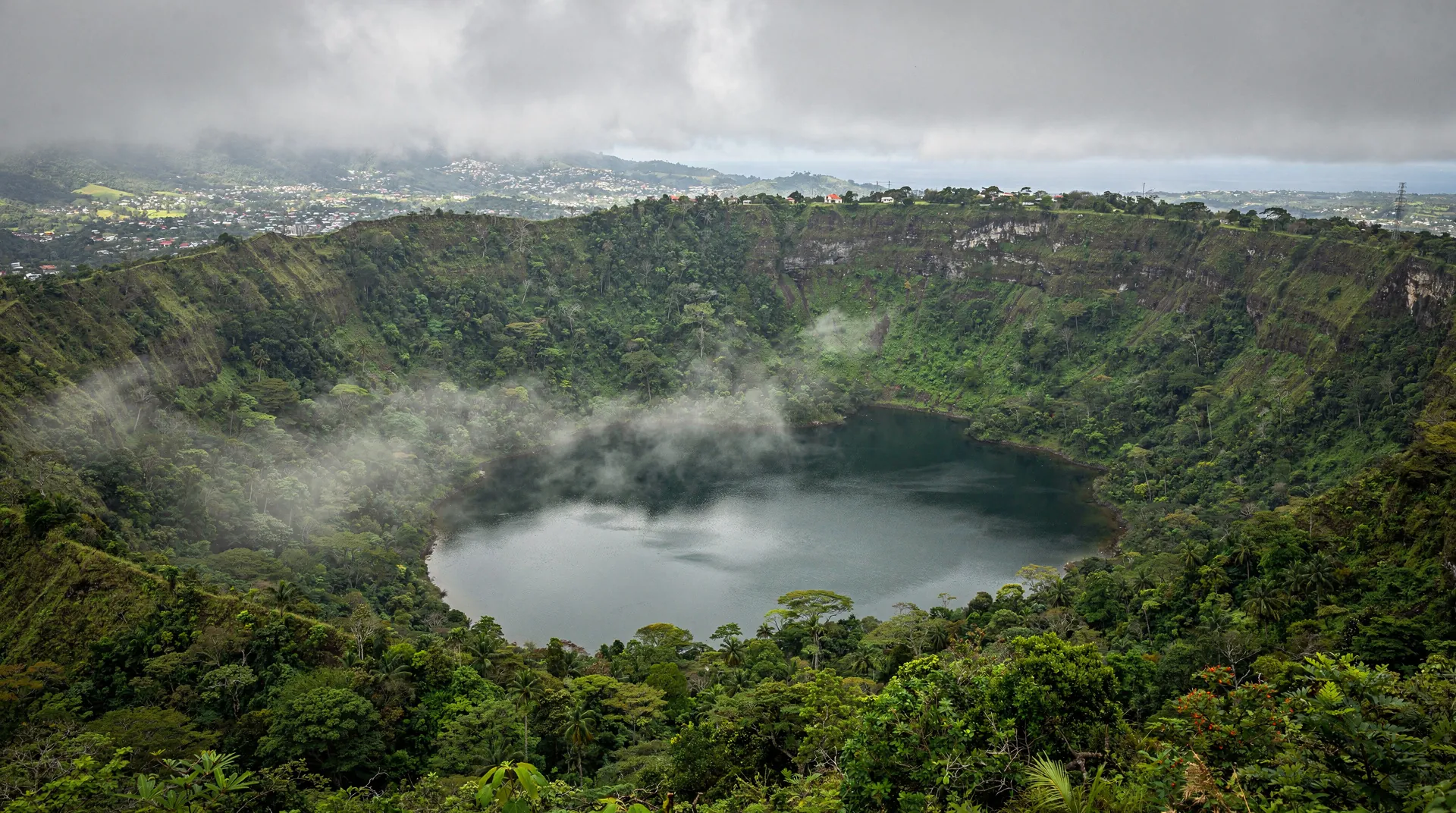
Curepipe
Curepipe, a highland town in Mauritius: the Trou aux Cerfs volcanic crater, shopping, colonial architecture, cool climate and city life.
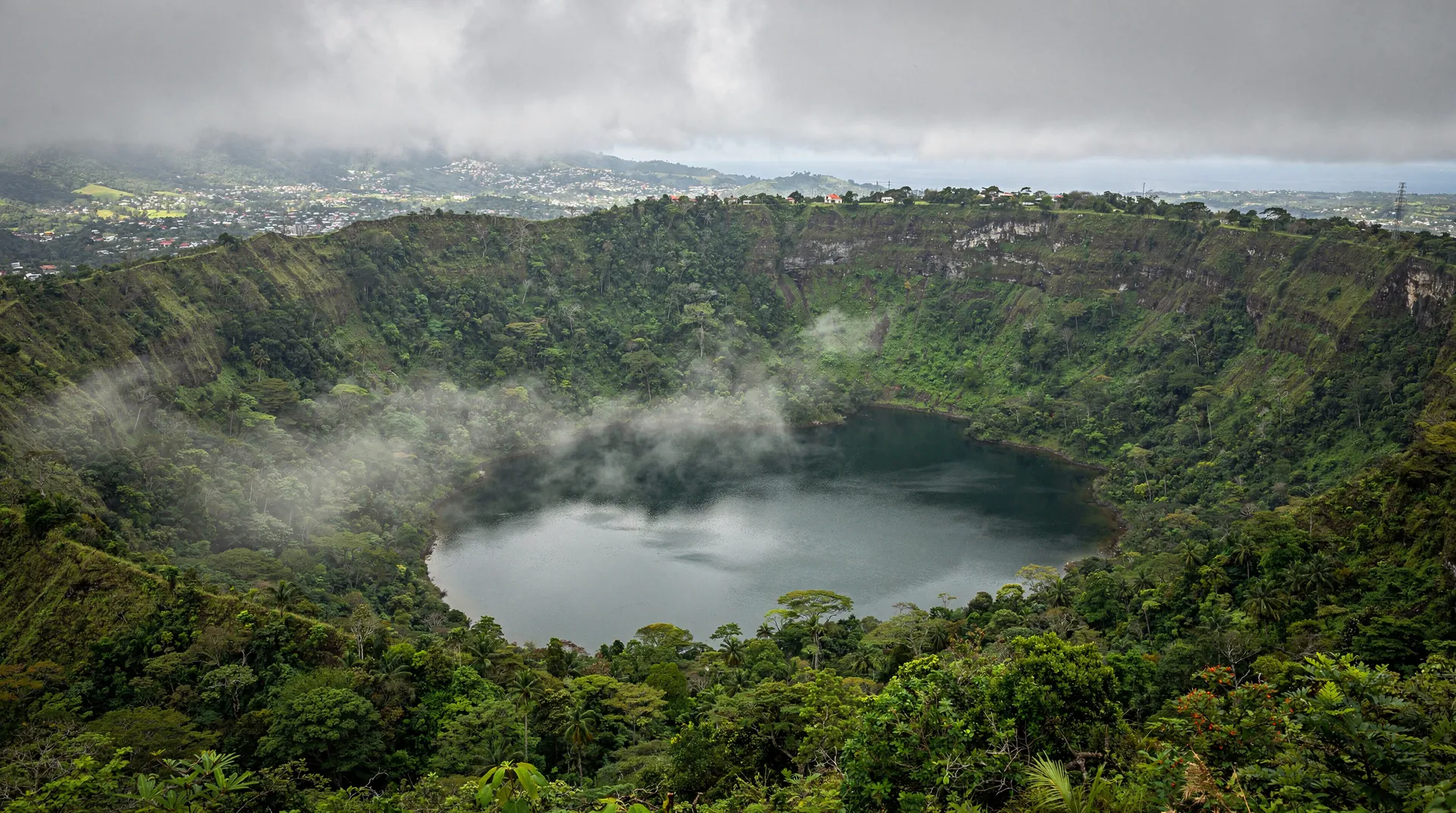
Quatre Bornes
Quatre Bornes: a town in the Central Plateau, Thursday and Saturday market, textile shopping, authentic Mauritian urban life. Complete guide to the town.


