Curepipe
Curepipe, a highland town in Mauritius: the Trou aux Cerfs volcanic crater, shopping, colonial architecture, cool climate and city life.
- Area
- Highlands, centre of the island
- Vibe
- Urban, local, mild
- Beaches
- None — inland destination
- Access
- 30 min from the airport
Curepipe: the highland town
| At a glance | |
|---|---|
| Where | Highlands in the centre of the island, at 550 m elevation |
| Price | Free entry to Trou aux Cerfs and the botanical gardens; you only pay for what you buy at the market or in the shops |
| Time needed | Half a day for the essentials, 1-2 days to combine shopping, architecture and inland excursions |
| Getting there | 25-30 min from the airport by car; well served by bus from Port Louis |
| Best time | May to November for drier weather, Saturday morning for the liveliest market |
At 550 metres of elevation, right in the heart of the Mauritian highlands, Curepipe is a town that surprises and disorients travellers who don’t expect it. After the tropical beaches of the coast, the atmosphere here is radically different: cool temperatures, frequent fog, bustling shopping streets and well-preserved British colonial architecture. It’s the island’s second-largest town by population and one of its main shopping and cultural destinations for Mauritians themselves.
The name Curepipe is often traced to a colourful origin story, according to which French soldiers crossing the island would stop here to “cure” (clean) their pipes. True or not, the story captures the town’s character as a stopover and crossing point, sitting on the central plateau between the capital Port Louis to the northwest and the coasts of the south and east.
Curepipe pulses with local life. Its town centre is packed with markets, shopping arcades, cheap eateries and shops of every kind. Its residential suburbs are home to lovely colonial wooden houses with verandas and flower-filled gardens. And at its heart, the Trou aux Cerfs crater is one of the island’s most impressive geological curiosities. For travellers who want to understand Mauritius beyond the beaches, Curepipe is not to be missed.
What to do in Curepipe
Trou aux Cerfs: a volcanic crater in the middle of town
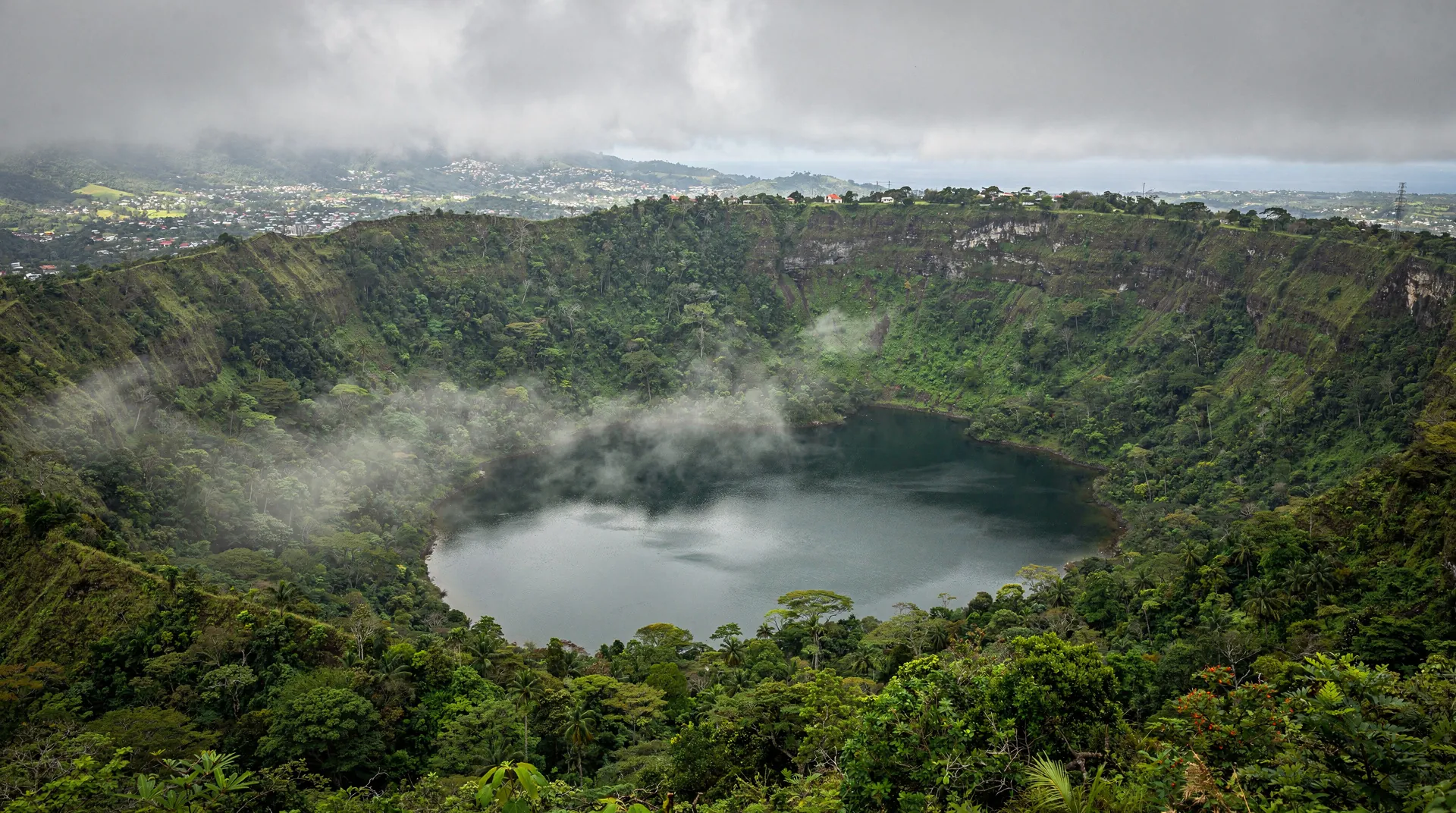
Trou aux Cerfs is the symbol of Curepipe. This volcanic crater, 85 metres deep and around 200 metres across, sits within a tidy public garden right in the centre of town. A marked circular path loops around the crater rim in about twenty minutes, offering plunging views of the lush vegetation carpeting the crater floor, and panoramas over the surrounding highlands.
On a clear day, the view from the crater’s lookout points stretches all the way to the island’s coasts. Such clarity is fairly rare in Curepipe, often shrouded in low cloud, which is why it’s sometimes nicknamed the “cloudy town”. But when the light breaks through, the view is worth the wait.
The park around the crater is well maintained, with benches, majestic trees and a mountain vegetation quite different from that of the coast. It’s popular with joggers and local families at weekends. For geology fans, the formation of Trou aux Cerfs perfectly illustrates the volcanic history of Mauritius, formed several million years ago by successive eruptions.
Curepipe market
The covered market in Curepipe is one of the liveliest on the island, after the one in Port Louis. You’ll find fresh fruit and vegetables, spices sold loose, textiles, leather goods, toys and Mauritian craft products. The market is especially lively on Saturday mornings. It’s a great place to buy local spices (turmeric, cinnamon, cardamom, chilli), craft goods and original gifts at prices well below those in the hotel gift shops aimed at tourists.
Vendors in Curepipe are generally less used to dealing with tourists than those in Port Louis or Grand Baie, which makes for more natural exchanges and more negotiable prices. Take the time to chat with the traders, who are often a great source of insight into local life and Mauritian cooking.
Shopping in the arcades and boutiques
Curepipe is known as the shopping town of Mauritius. Several shopping arcades offer a wide selection of clothing, shoes, jewellery, crafts and electronics, often at rates lower than in the coastal tourist areas.
The town is particularly known for its diamond and gemstone shops. Mauritius is in fact one of the Indian Ocean’s important sales points for cut diamonds, and several jewellers in Curepipe offer collections at competitive prices compared with the luxury hotel boutiques.
Textiles — cashmere, silk and lightweight cotton clothing in particular — are also very affordable in Curepipe. Several local workshops produce quality pieces at reasonable prices. It’s a good opportunity to pick up authentic gifts to bring home.
Colonial architecture and Creole houses
Curepipe’s residential district retains a remarkable colonial architectural heritage. The grand Creole wooden houses, with their verandas decorated in carved wooden lacework (“laceries” as the Creole style is known locally), painted shutters and lush gardens, form an architectural ensemble unique to Mauritius.
Curepipe’s town hall, built in 1902 in the British colonial style, is a fine example of the institutional architecture of the period. Several other public buildings in the town centre deserve a closer look: the town hall, the courthouse and the old colonial schools.
For fans of colonial architecture, Curepipe can be combined with a visit to the Domaine de Labourdonnais in the north, another remarkable example of Mauritian colonial heritage.
Curepipe’s theatre
The Curepipe theatre (Saxxon Theatre) is one of the island’s finest performance venues. Built in the late 19th century, it has hosted touring companies from Port Louis and local performances throughout its history. The hall is open during performances and sometimes for organised guided visits.
Curepipe botanical gardens
Curepipe’s botanical gardens, more intimate than the ones at Pamplemousses, offer a pleasant stroll through greenery. Mountain vegetation is represented here through the island’s endemic species. Entry is free and the atmosphere is peaceful.
These gardens contrast pleasantly with the coastal vegetation most visitors are used to seeing. The endemic highland species, less well known than the coconut palms and bougainvillea of the coast, reveal a remarkable biodiversity unique to the island’s interior.
Excursions from Curepipe
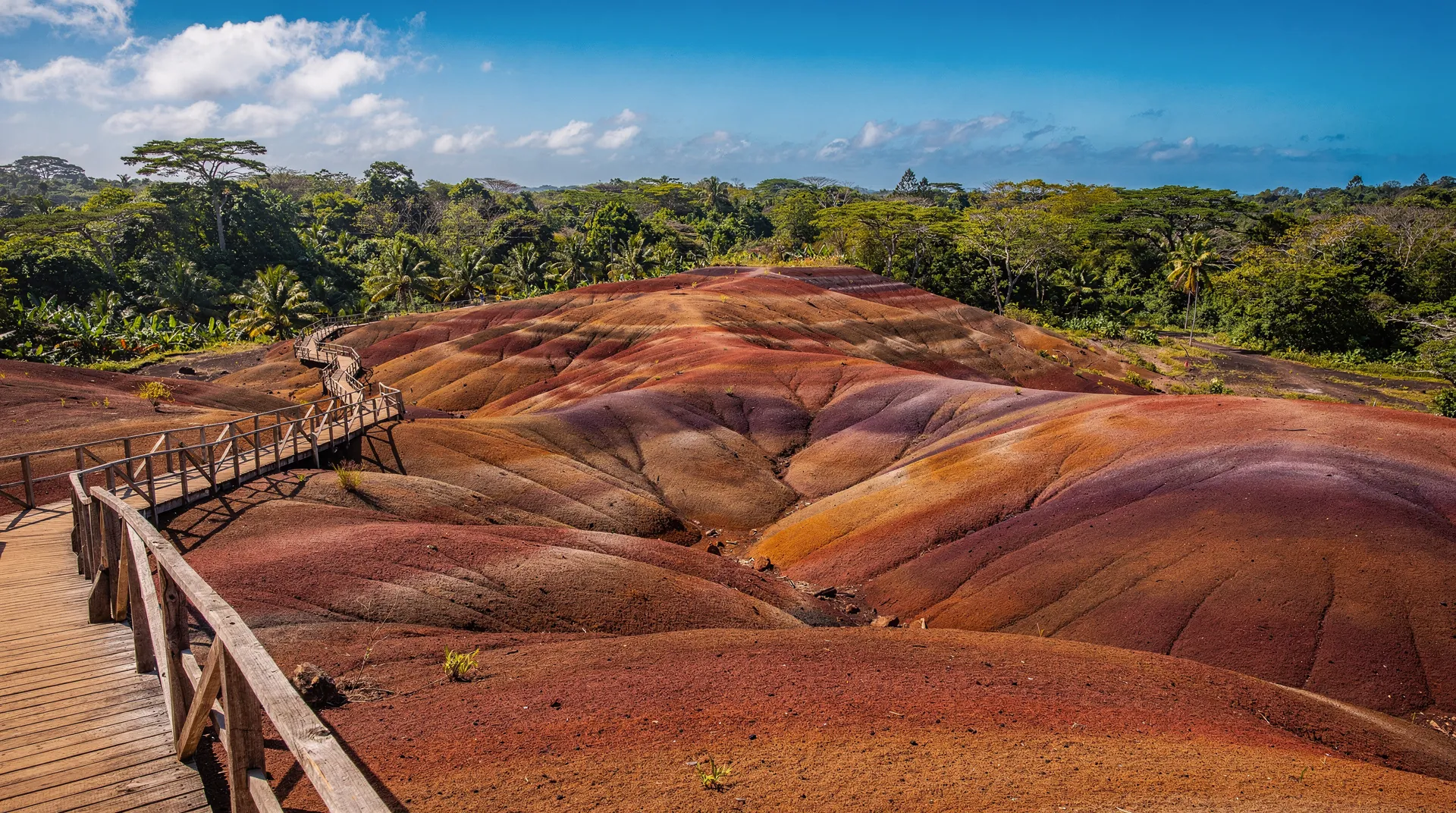
Curepipe’s central position makes it an excellent base for exploring the island’s interior. Chamarel and its Seven Coloured Earths are around 40 minutes away. Our Chamarel guide will prepare you for this unmissable visit. Grand Bassin lake (a sacred Hindu site) is about twenty minutes away. The Tamarin waterfalls, Macchabée forest and Black River Gorges National Park are all within an hour of town.
To visit Chamarel and Grand Bassin on a guided excursion from Curepipe without having to drive winding mountain roads yourself: see the guided Chamarel and Grand Bassin excursions.
The tea plantations of the south also lend themselves to an organised day trip from the highlands: this tea route excursion with rum tasting means you don’t have to worry about driving.
Renting a car in Mauritius from Curepipe lets you easily reach every attraction in the interior and south of the island. For travellers without a car, day taxis can be negotiated directly with local drivers at reasonable rates.
Local food in Curepipe
The food scene in Curepipe reflects the island’s population diversity. Local restaurants serve dishes from the Hindu, Sino-Mauritian, Creole and Muslim communities. You’ll find excellent biryanis, fresh dim sum, dholl puris and rougailles at unpretentious spots that serve a loyal local clientele.
Curepipe’s evening market, active several nights a week, sells hot takeaway food at bargain prices. It’s one of the most authentic culinary experiences you can have in Mauritius. Our Mauritian food guide covers the specialities not to miss and the best places to try them.
Architecture and heritage of Curepipe
Curepipe retains a historic urban fabric well worth a leisurely walk. The town centre mixes modern commercial buildings with older stone or wooden structures. The hillside residential neighbourhoods, such as Forest Side, reveal high-quality historic development, with large colonial properties surrounded by gardens.
Saint-Théodore church, one of the largest on the island, dominates the town centre with its imposing façade. Curepipe’s various communities (Hindu, Muslim, Creole, Sino-Mauritian) have each left their architectural mark on the town, creating the multicultural urban landscape typical of Mauritius.
The architectural walk through Curepipe’s residential district can be done on foot or by bike in around two hours. The tree-lined streets of Forest Side offer the finest concentrations of historic Creole houses.
Where to stay in Curepipe
Curepipe isn’t a beach-holiday destination. Most travellers visit for the day from the coast. But a few places to stay allow for a night or two for those who want to immerse themselves in the inland town’s urban life. Our where to stay in Mauritius guide gives an overview of options by region.
City hotels
A handful of mid-range hotels are located in central Curepipe or nearby. These properties cater more to business travellers and those passing through than to beach tourists. Rooms are functional and clean, and rates are very reasonable — often 30 to 50% cheaper than equivalent hotels on the coast.
Guesthouses in residential neighbourhoods
Several guesthouses in Curepipe’s or Forest Side’s residential neighbourhoods offer an authentic immersion in town life. Some occupy former colonial homes, adding architectural charm to the experience.
A base for exploring the centre
Curepipe can serve as an affordable base for exploring the centre and south of the island. From town, Chamarel, Grand Bassin, Mahébourg and the southeast coast are all under an hour away. Accommodation rates here are markedly lower than at coastal resorts. For travellers on a tight budget, our Mauritius budget guide presents Curepipe as an appealing economical option.
Getting to Curepipe
Curepipe is about 25 to 30 minutes by car from the international airport, along the central road that crosses the island from south to north. It’s one of the best-connected towns on the island’s bus network.
The bus from Port Louis (Victoria or La Caudan terminals) serves Curepipe very frequently, every 10 to 15 minutes during peak hours. The journey takes around 45 minutes to an hour depending on traffic. Direct connections also exist from Rose Hill, Quatre Bornes and Phoenix.
Taxis are readily available in Curepipe and make it easy to explore the interior of the island at negotiable rates. Several Curepipe-based taxi drivers offer day tours of the interior.
Practical tips
Curepipe is famously the wettest town in Mauritius. An umbrella is essential, even in the dry season. Mornings are often foggy, and afternoons can bring sudden showers. Don’t let the climate put you off your visit: the fog that sometimes wraps around the town gives it a romantic atmosphere quite unlike the rest of Mauritius.
Temperatures in Curepipe run 5 to 8 degrees cooler than on the coast. During the austral winter (June-August), nights can be cool, even cold compared with the rest of the island. A jumper or light jacket is useful, especially in the evenings.
Curepipe’s market is at its liveliest on Saturday mornings. If you visit the town on another day, the market will be quieter and less well stocked.
City centre traffic can be heavy during rush hour (7-9am and 4-6pm). Plan your visit to avoid these times if you’re arriving by car or taxi.
For hikers, the area around Curepipe offers trails through the highlands’ endemic forests. Our hiking in Mauritius guide includes several routes in the island’s central region.
Best time to visit
Curepipe can be visited year-round, but the dry season (May to November) offers the best conditions, with less rain and pleasantly cool temperatures. The July-to-September period is especially pleasant in the highlands. Our weather in Mauritius guide breaks down conditions month by month for every region of the island.
During the rainy season, Curepipe can be very humid and cloudy for several days in a row. The town is still worth visiting, but conditions are less favourable for outdoor walks.
Curepipe as a base for exploring the island
Curepipe is one of the best-located towns in Mauritius for reaching the island’s main attractions. Its central position, midway between Port Louis to the northwest and Mahébourg to the southeast, makes it an excellent anchor point for those who want to explore the interior while staying within reasonable reach of the coasts.
By car, renting a car in Mauritius is the most practical option from Curepipe. The island’s main attractions sit within 30-60 minutes: Chamarel and its Seven Coloured Earths to the southwest (45 minutes), the Pamplemousses estate to the north (30 minutes), the Black River gorges to the west (40 minutes).
Unmissable nature excursions
The highlands’ endemic forests wrap Curepipe in a green mantle of palmiste palms, bois de natte and plant species found nowhere else in the Indian Ocean. The Pétrin nature reserve, 20 minutes from central Curepipe, is a windswept moorland plateau where rare endemic plants grow. The atmosphere is radically different from the coastal beaches — cool, quiet, almost mysterious.
Lac Tamarin, a freshwater reservoir ringed by endemic forest a few kilometres to the south, offers a peaceful walk through a well-preserved natural setting. Mauritius’s endemic birds — Mauritius fodies, bulbuls, weaver birds — can be spotted in these forests with a little patience.
Curepipe and Creole culture
Mauritian Creole culture isn’t only found on the coast. Curepipe retains a remarkable colonial architectural heritage: grand Creole wooden houses with ornate verandas, gardens overrun with bougainvillea and frangipani, tree-lined streets reminiscent of the Victorian era. The Pamplemousses Garden, 30 minutes to the north, is the finest expression of this colonial botanical heritage — with its giant Victoria regia water lilies and century-old trees, some planted by the first European botanists.
Food and local markets
Curepipe is a trading town with a bustling central market where Mauritians of every community come together to buy spices, fresh vegetables, herbal teas and local produce. Lunch at a local snack stall in the town centre — hot dholl puri, sausage rougaille, lentil curry — offers an immersion into everyday Mauritian cooking, far from the tourist buffets.
To dive deeper into Mauritian food, our Mauritian food guide presents specialities from the island’s different communities and the best places to eat local. For a more structured culinary experience with a Creole cooking class or guided tasting: discover Creole cooking classes in Mauritius.
For couples and families
The highlands around Curepipe have something special to offer couples looking for an atmosphere different from the sea: cool evenings, walks through damp forests, dinners by the fireplace at a handful of places that light one during the austral winter. Our couples’ activities in Mauritius guide mentions a few highland spots for a romantic getaway away from the coastal bustle.
For families with children, the Pamplemousses Garden, with its giant tortoises and spectacular exotic plants, is an ideal stop. Our family itinerary builds in half a day in the highlands for a balance between beach time and inland discovery.
Curepipe’s climate month by month
Curepipe is known as the wettest and coolest town in Mauritius, which strongly affects how comfortable a visit is depending on the season.
| Period | Weather | Crowds | Tip |
|---|---|---|---|
| May to September | Dry, cool, sometimes foggy in the morning | Low to moderate | Best time to walk around Trou aux Cerfs; bring a light jumper |
| October to November | Transitional, sunnier | Moderate | A good balance between clear light and still-mild temperatures |
| December to March | Warm, frequent late-afternoon storms | Moderate (fewer tourists in town than on the coast) | Bring an umbrella; visit in the morning before the afternoon showers |
| April | Transitional, still humid | Low | The vegetation is at its greenest |
For a full picture of conditions across the island, our weather in Mauritius guide breaks down every month, region by region.
Curepipe on a budget
Curepipe is one of the most affordable destinations in Mauritius for accommodation and food, making it an appealing base for travellers looking to keep costs down without sacrificing comfort. Mid-range hotels here are often 30 to 50% cheaper than their coastal equivalents, and a meal at a local snack stall in the town centre costs a fraction of a seaside hotel lunch. The market is also the cheapest place on the island to buy spices, fruit and craft souvenirs. Our Mauritius budget guide details these price gaps between the coast and the interior.