Île aux Aigrettes
Île aux Aigrettes: island nature reserve, giant tortoises, endemic birds, fossil coral. Complete guide to visiting this island.
- Area
- Southeast of the island
- Vibe
- Preserved and educational nature
- Access
- Boat from Mahebourg
- Size
- 27 hectares
Île aux Aigrettes: a fragment of Mauritius before humans
Île aux Aigrettes is one of the most unique and moving experiences Mauritius has to offer a traveller. This small, 27-hectare coral island, separated from the southeast coast by a narrow channel, is the setting for one of the most ambitious conservation projects in the Indian Ocean: recreating a coastal ecosystem as it existed before humans arrived on the island, less than 500 years ago.
Managed by the Mauritian Wildlife Foundation (MWF), Île aux Aigrettes is today a living laboratory of Mauritius’s endemic biodiversity. Species that had disappeared from the main island for centuries — or that existed only in museums and zoos — have been reintroduced and now breed freely within this protected space. Walking across Île aux Aigrettes is like travelling back in time to an original Mauritius that 17th-century Dutch explorers would have recognised.
The context is worth remembering: since the Dutch arrived in 1598, Mauritius has lost a catastrophic share of its endemic wildlife and plant life. The Dodo — the island’s iconic flightless bird — was wiped out within less than a century of humans’ arrival. Other species of birds, reptiles and plants met the same fate, victims of hunting, deforestation and predation by introduced invasive species (rats, cats, deer). Île aux Aigrettes represents a largely successful attempt to partially reverse this process of destruction.
At a Glance
| Where | Small island off Mahebourg, southeast of the island |
| Price | Paid entry, around 900 MUR per adult and 450 MUR per child (boat + guide included) |
| Time needed | Half a day (1.5-to-2-hour guided tour, including boat crossing) |
| Getting there | Mauritian Wildlife Foundation boat from Mahebourg or Pointe Jérôme, booking required |
| Best time | May to November, dry season with calm seas and good visibility |
The Species of Île aux Aigrettes
Aldabra giant tortoises
The island’s most spectacular attraction is undoubtedly its colony of Aldabra giant tortoises (Aldabrachelys gigantea). These giants, with their brown shells reaching up to 1.5 metres long and weighing over 200 kg, roam freely across the island, grazing on the coastal vegetation with age-old placidity.
These tortoises serve as ecological substitutes for the endemic giant tortoises of Mauritius, all of which went extinct before they were ever scientifically described. The Aldabra tortoises, their close cousins, play the same ecological role: by grazing and dispersing seeds, they help regenerate the endemic coastal vegetation. Seeing them up close, hearing them chew leaves, watching their calm gaze and slow gait is an experience of rare emotional power. Children are often delighted and, under the guides’ supervision, can gently touch the shell of these near-indestructible animals, which will likely outlive them.
Endemic birds
Several endemic bird species of Mauritius are found on Île aux Aigrettes, some of them among the rarest birds on the planet. The Pink Pigeon (Columba mayeri), once reduced to a population of fewer than 20 individuals in the 1980s and now numbering in the hundreds thanks to conservation efforts, nests on the island. The Mauritius Grey White-eye (Zosterops borbonicus), the Mauritius Kestrel and other endemic passerines make the island a paradise for birdwatchers.
The MWF guides who accompany each group of visitors are experts able to identify every species and share its natural history and conservation story. This educational dimension is one of the great strengths of the visit.
Endemic coastal vegetation
The island’s vegetation is undergoing active restoration. Since the eradication of invasive species (rats, cats, invasive exotic plants), the endemic vegetation of Mauritius’s coral coast is reclaiming its ground. Tree species almost nowhere to be found on the main island grow here on the coral limestone: Bois Banane, Bois de Corail, coastal Bois d’Ebène. This rare and fragile endemic coastal forest is one of the most threatened in the world.
Endemic orchids of Mauritius, several species of which are critically endangered, have been reintroduced and now bloom in protected areas. The guided tour offers a chance to observe these remarkable plants and understand the challenges of their conservation.
The Rodrigues blue-tailed gecko
One remarkable detail: Île aux Aigrettes is also home to a population of Rodrigues blue-tailed geckos (Phelsuma edwardnewtonii), a species endemic to Rodrigues — the other island of the Republic of Mauritius — extinct on its own native island and being reintroduced from Aldabra. These small lizards, with their extraordinary iridescent blue-green colouring, live in the trees and on tree trunks, virtually invisible to an untrained eye, but the guides know exactly where to find them.
How to Visit Île aux Aigrettes
Organising your visit
Île aux Aigrettes cannot be explored on your own. All visits take place in groups accompanied by Mauritian Wildlife Foundation guides, which ensures both the protection of the species and a high-quality educational experience. Departures are from the Mahebourg jetty or from Pointe Jérôme, right across from the island.
Standard tours last around 1.5 to 2 hours. “Sunset” tours and longer visits including lunch on the island are also available. It’s strongly recommended to book in advance, especially during peak season (July-August), as group sizes are deliberately limited to protect the island’s fragile ecosystem.
Entry fees (including the boat crossing and guide) are around 900 rupees per adult and 450 rupees per child for the standard tour. Part of this revenue directly funds the MWF’s conservation programmes — by visiting the island, you contribute concretely to its protection.
Access from Mahebourg
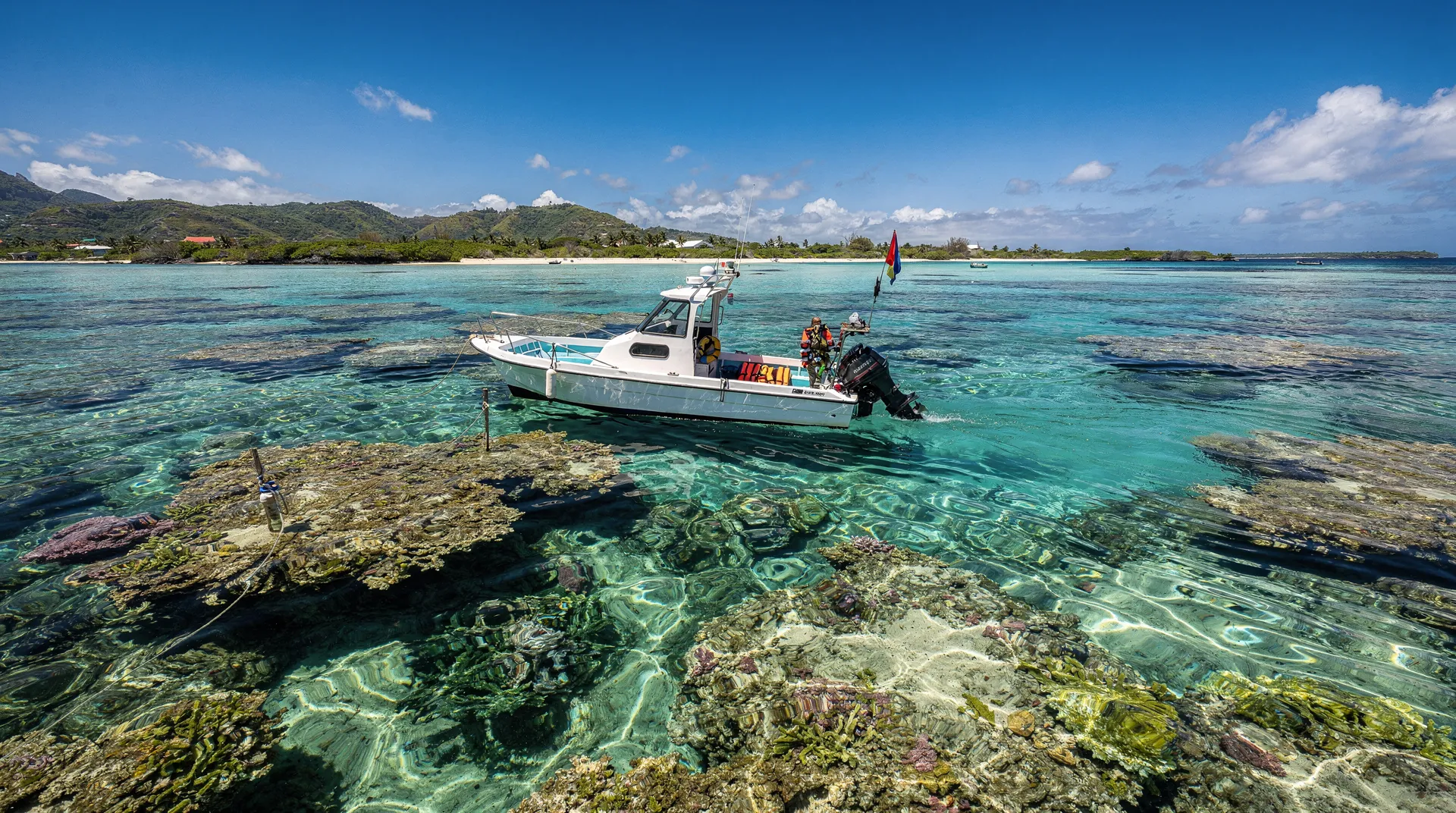
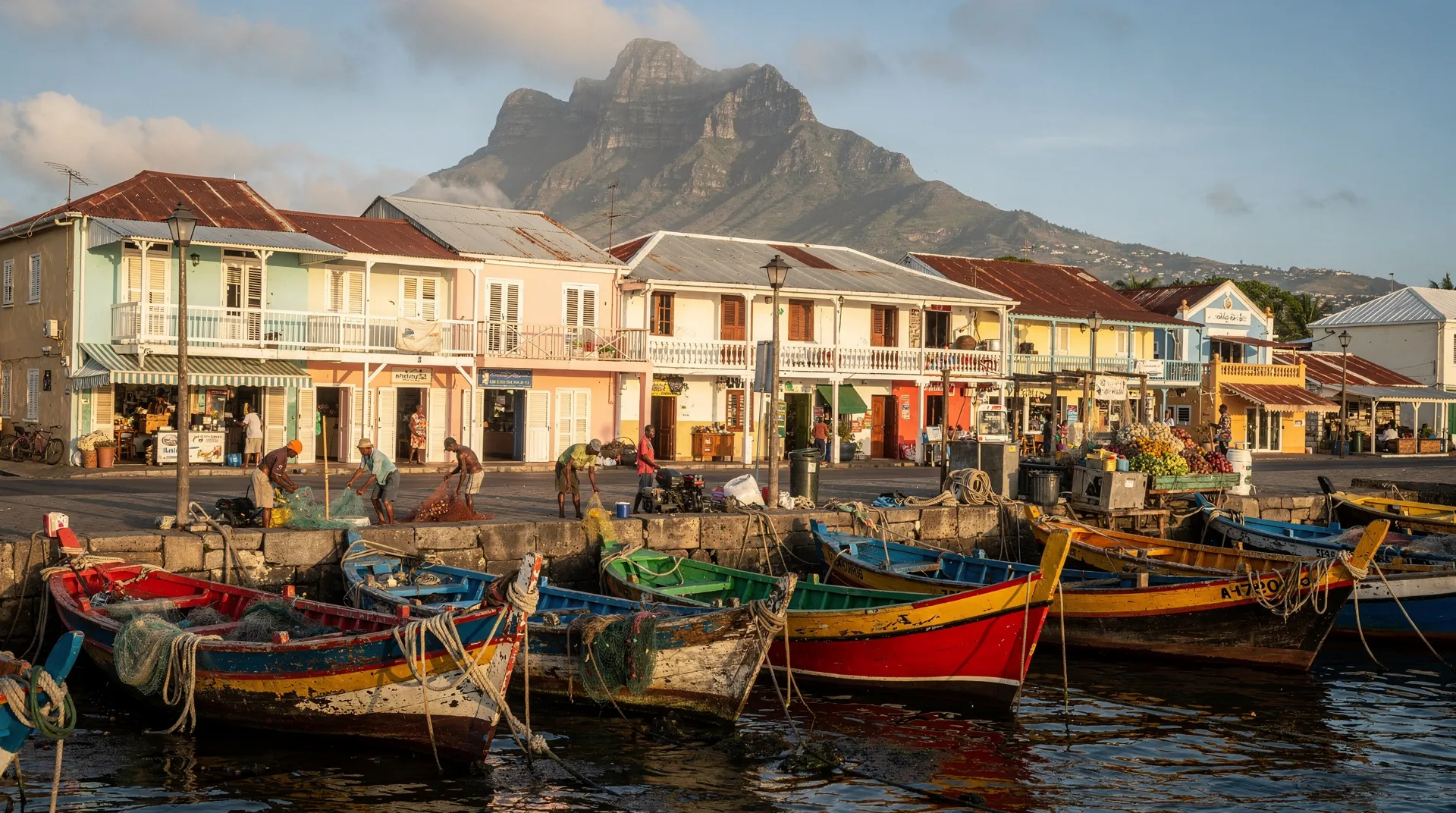
Mahebourg is the most convenient departure point for reaching Île aux Aigrettes. From the Mahebourg waterfront, the boat crossing to the island takes just 15 minutes. MWF boats depart at set times according to bookings.
From Blue Bay, also very close by, access is just as easy. Combining a morning visit to Île aux Aigrettes with an afternoon snorkelling session at Blue Bay Marine Park makes for one of the best nature days Mauritius has to offer. Our complete guide to Blue Bay Marine Park gives you all the details on the water activities available in the area.
What to bring
Bring closed, comfortable shoes (the island’s paths can be uneven over coral rock), water-resistant sunscreen, a hat, water and a camera. The island has no shop or vending point. Chemical sunscreen should be avoided in favour of mineral sunscreens to protect the coral reef. Our guide to weather in Mauritius will help you choose the best time for a visit — the dry season (May to November) offers maximum visibility and calm sea conditions.
Île aux Aigrettes or Blue Bay Marine Park: which to prioritise?
Both sites complement each other rather than compete, but if your time is limited, here’s how they compare.
| Criteria | Île aux Aigrettes | Blue Bay Marine Park |
|---|---|---|
| Type of experience | Guided land reserve, endemic wildlife | Sea snorkelling, coral reefs |
| Duration | 1.5 to 2 hours | Half a day to a full day |
| Suitable for children | Yes, from a very young age | Yes, once comfortable in water |
| Price | Paid (~900 MUR adult) | Paid (boat trip + equipment) |
Ideally, combine both on the same day: visit the island in the morning, then go snorkelling at Blue Bay in the afternoon, once the sun is higher and visibility is better.
How Much Time to Allow and How to Plan Your Day
A visit to Île aux Aigrettes alone takes up a morning or an afternoon, including guide and boat crossing. Most travellers combine it with another southeastern activity to fill the day: a stroll through the Mahebourg market before boarding, or a snorkelling session at Blue Bay afterwards. If you’re staying further away, in the south or near Souillac, factor in extra travel time — the southeast of the island lends itself well to a day trip from any region in the south.
For families with young children, the slow pace of the visit (gentle walking, guided observation, no swimming required) is particularly well suited, unlike more physically demanding excursions such as the Le Morne hike.
Île aux Aigrettes and Blue Bay Marine Park
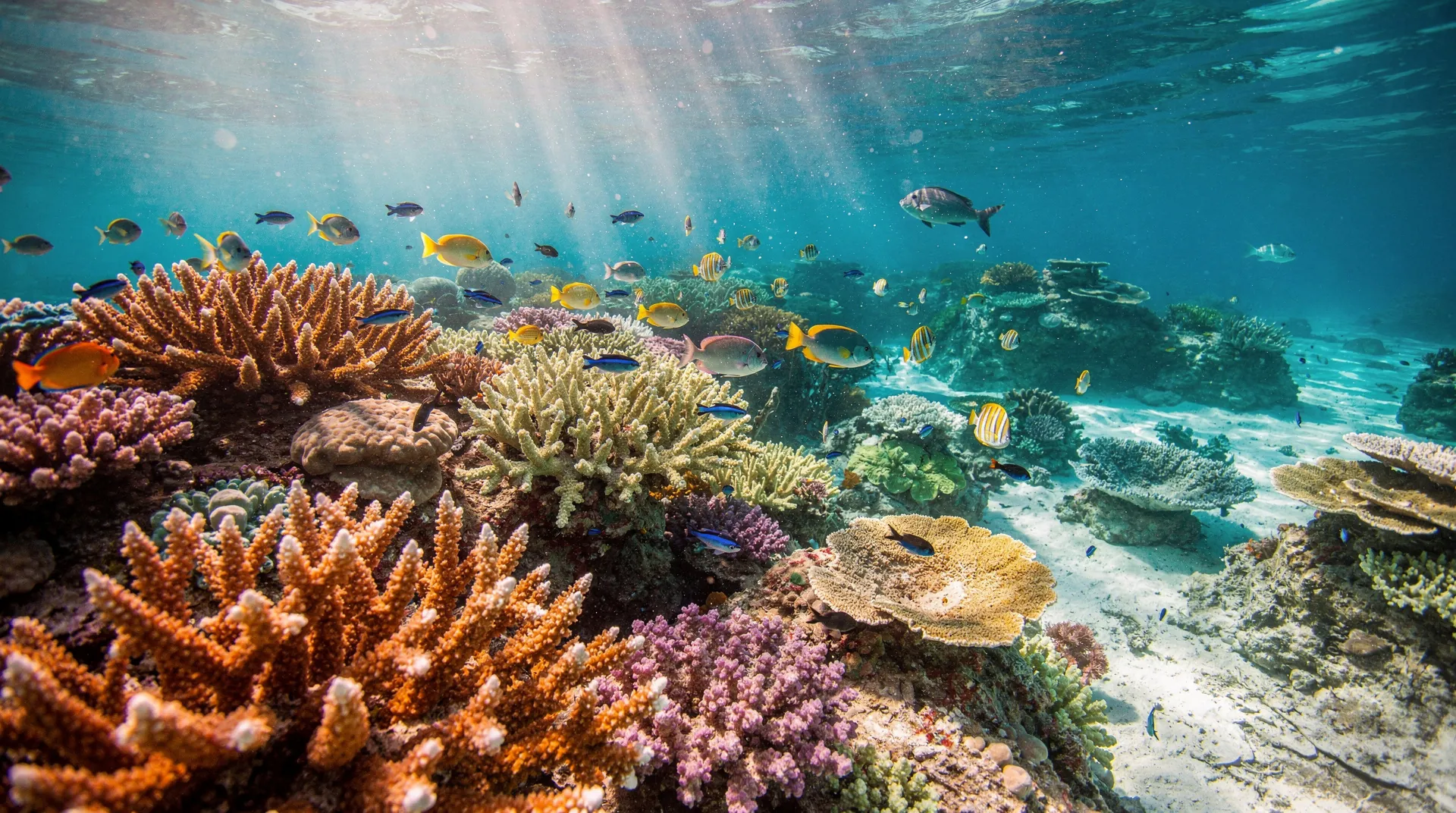
The southeast of Mauritius packs two of the island’s natural gems into just a few square kilometres. After visiting Île aux Aigrettes, heading to Blue Bay for an afternoon of snorkelling in the marine park is a perfect combination. Blue Bay’s corals are among the best-preserved on the island, and the diversity of fish there is remarkable.
For nature and ecotourism enthusiasts, our guide to snorkelling and diving in Mauritius will point you to the best spots on the southeast coast and how to reach them. Our guide to 7-day itineraries in Mauritius incorporates the southeast into a complete island discovery programme.
For accommodation in the area, Mahebourg and Blue Bay offer several options, from small family-run hotels to luxury resorts. Our guide to where to stay in Mauritius covers all the possibilities. To reach the southeast area from the airport (only about 15 minutes away), a private airport transfer is the quickest and most comfortable solution.
After your visit to Île aux Aigrettes, continue exploring the south with a guided excursion to the south including Chamarel, which takes you to the coloured earths and Grand Bassin, two must-see sites in the south of the island.
A visit to Île aux Aigrettes is one of the most transformative experiences Mauritius has to offer. It puts into perspective the island’s natural history, the toll of human colonisation on island ecosystems, and the hope embodied by conservation projects of this scale. To round out your exploration of the southeast’s natural and cultural heritage, check out the guide to Mahebourg, the nearest town, with its historical museum and lively market, as well as our guide to the beaches of Mauritius, which showcases the finest beaches in the area.
Hiking in Mauritius is another way to discover the landscapes of the south of the island, particularly from Souillac and Bel Ombre. To plan your budget for this excursion and your overall trip, our guide to the budget for Mauritius will give you all the benchmarks you need. Few travellers leave Île aux Aigrettes without a shift in perspective on nature and on their own responsibility as visitors to the planet.