What to Do When It Rains in Mauritius: Indoor Activities and Great Ideas
What can you do in Mauritius when it rains?
Spas, museums, cooking classes, shopping in the malls, visits to rum distilleries or covered cultural sites: there's no shortage of options even in rainy weather in Mauritius.
It’s raining in Mauritius: no need to panic!
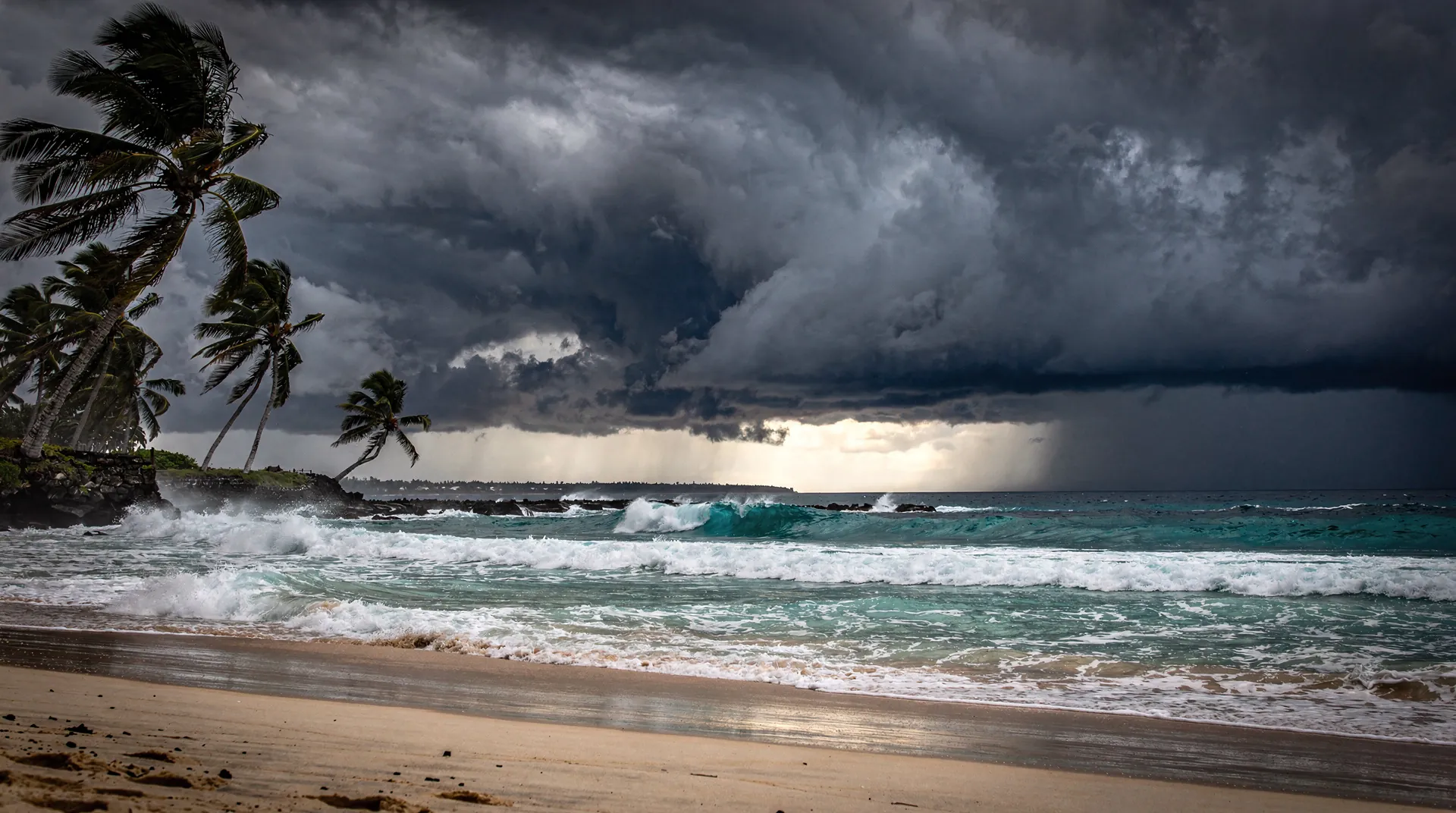
Rain is part of life in Mauritius. Even at the height of the dry season (May to November), sudden showers can occur, especially in the highland areas and on the east coast. During the rainy season (November to April), entire days of rain are possible, sometimes several in a row when a tropical disturbance passes through.
But a rainy day in Mauritius isn’t a wasted day. Quite the opposite — it’s the perfect opportunity to immerse yourself in the island’s culture, treat yourself to a spa day, learn to cook Creole flavours, or visit places you wouldn’t otherwise take the time to see in good weather. This guide gives you all the best ideas for making the most of Mauritius even when the sky is grey. For a quick overview of organised outings designed specifically for grey days, also check our guide to excursions for a rainy day in Mauritius.
At a glance
| Where | Museums and malls mainly in Port Louis, Moka and Curepipe; spas in most hotels and resorts; distilleries in Chamarel and the south |
| Indicative budget | Free to modest for museums (150 to 375 rupees); 150 to 300 euros for a spa day package; free entry for malls |
| Time needed | From 1h30 (small museum) to a full day (spa or a combination of activities) |
| How to get there | A car is recommended to reach Pamplemousses, Moka or Chamarel; taxi is fine for staying within Port Louis |
| Best time to plan for this | The rainy season (November to April) is when this guide is most useful, but occasional showers also occur from May to October |
Museums and cultural sites
L’Aventure du Sucre (great choice, Pamplemousses)
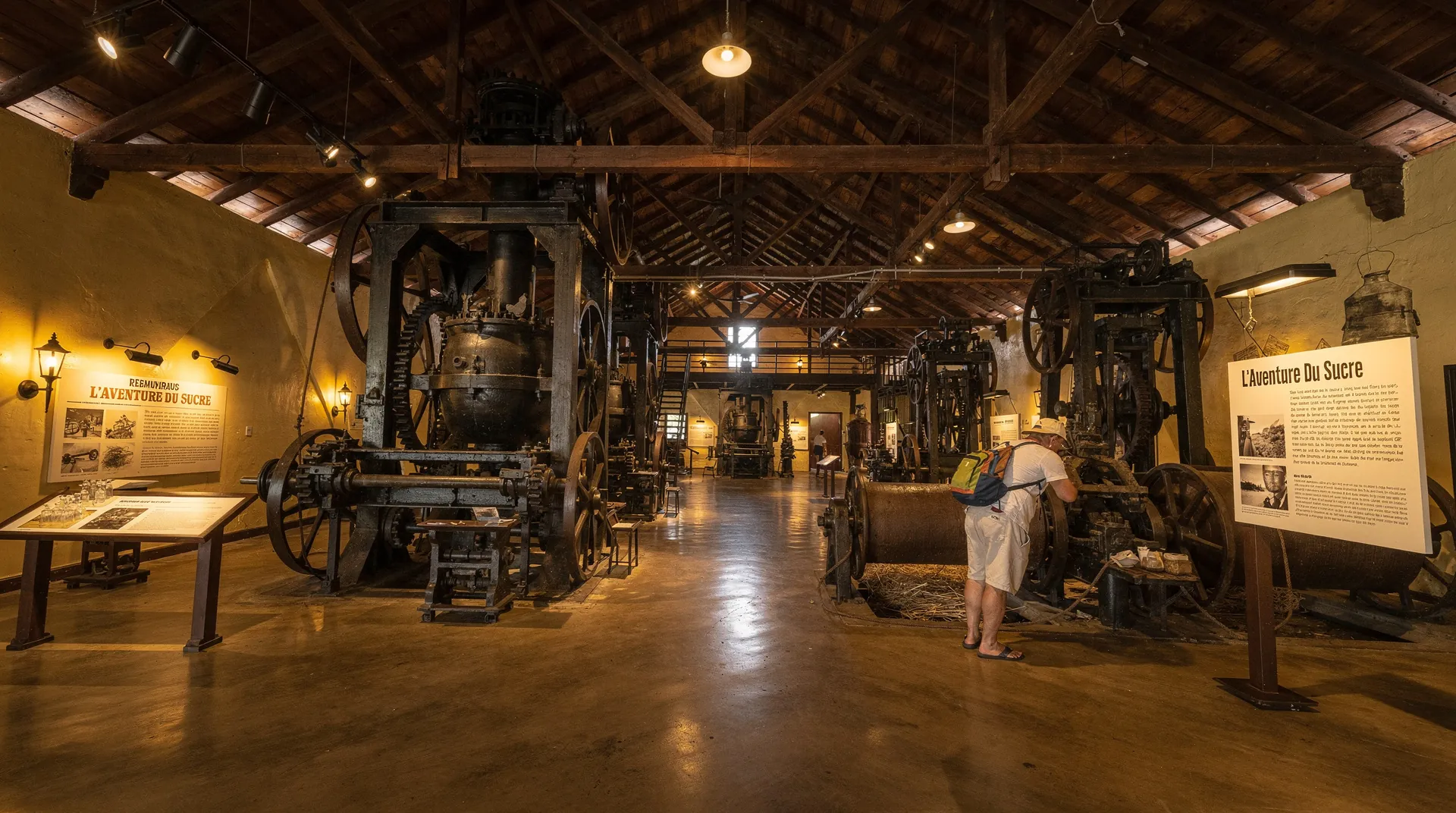
L’Aventure du Sucre is probably the best museum in Mauritius. Housed in a carefully converted 19th-century former sugar factory, it traces in detail the history of sugar cane and the sugar industry in Mauritius, from its colonial origins to the present day.
The museum is extremely well designed: models, archive footage, recreated scenes of period life, preserved industrial machinery and clear explanations in French and English. You’ll learn about the history of slavery, indentured labour (the importation of Indian workers), and the central place of sugar in Mauritian economy and identity.
A shop sells quality rums and local products.
Prices: 375 rupees for adults (around 8 euros), 200 rupees for children (7-12 years). Open daily from 9am to 5pm.
The Photography Museum (Port Louis)
This small museum in Port Louis traces the photographic history of Mauritius since the 19th century. The archives are remarkable: portraits of planters, fishermen, merchants, and scenes of everyday period life. A valuable glimpse into the Mauritius of old.
Prices: 150 rupees for adults (sometimes free entry). Port Louis.
The Mahébourg Historical Museum
The Battle of Grand Port in 1810, between the French and British fleets, is one of the most dramatic episodes in the island’s history. This museum traces that event and, more broadly, the island’s colonial history. It houses period uniforms, sea charts, officers’ portraits and objects recovered from underwater excavations.
Prices: 200 rupees for adults. Closed on Tuesdays.
The Postal Museum (Port Louis)
In 1847, Mauritius issued the world’s first two postage stamps (the “Penny Orange” and the “Twopenny Blue”), today among the rarest and most valuable stamps in the world (each worth several million euros). The museum traces this unique philatelic history and presents the evolution of the island’s postal services.
Prices: free entry or a modest fee.
Eudémonia (Port Louis, Caudan Waterfront)
This contemporary, interactive art centre is a new cultural attraction in Port Louis, hosting temporary exhibitions by Mauritian and international artists.
Spas: the perfect refuge on a bad-weather day
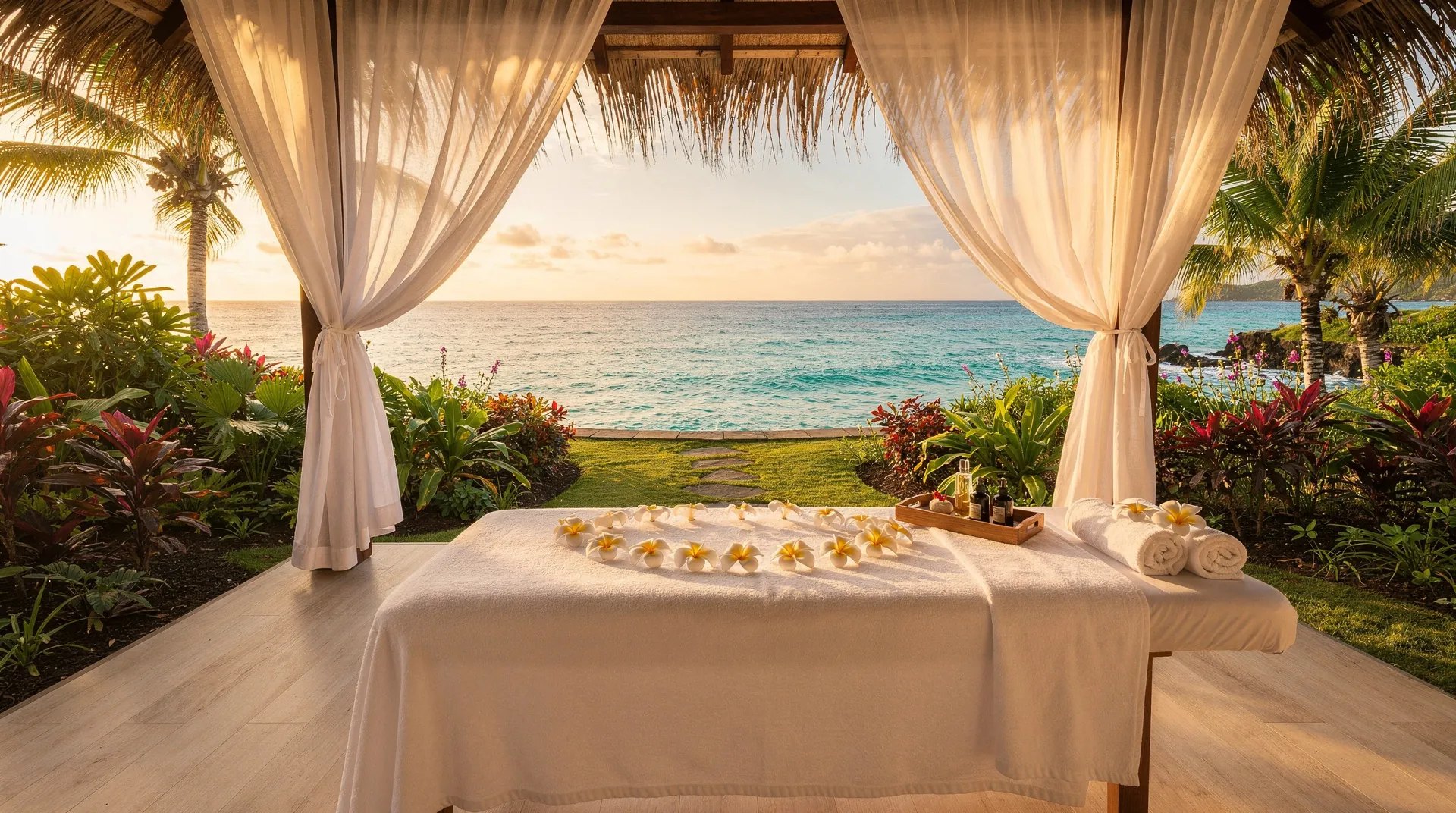
A rainy day is the perfect day to treat yourself to a spa treatment. No guilt about missing the beach, no worries about sunburn: it’s the ideal day to simply let go.
Why spas are even better in the rain
Tropical rain creates an atmosphere particularly conducive to relaxation indoors. The sound of rain on the roof of the treatment cabins, the steam of the hammam warming your bones, the scent of essential oils: all these elements combine for a complete sensory experience.
Many spas offer day packages (access to facilities + 1 or 2 treatments) that are particularly well suited to a full rainy day. See our complete guide to spas and wellness in Mauritius.
Spa day budget: 150 to 300 euros depending on the standard.
Food and cooking classes
A Creole cooking class
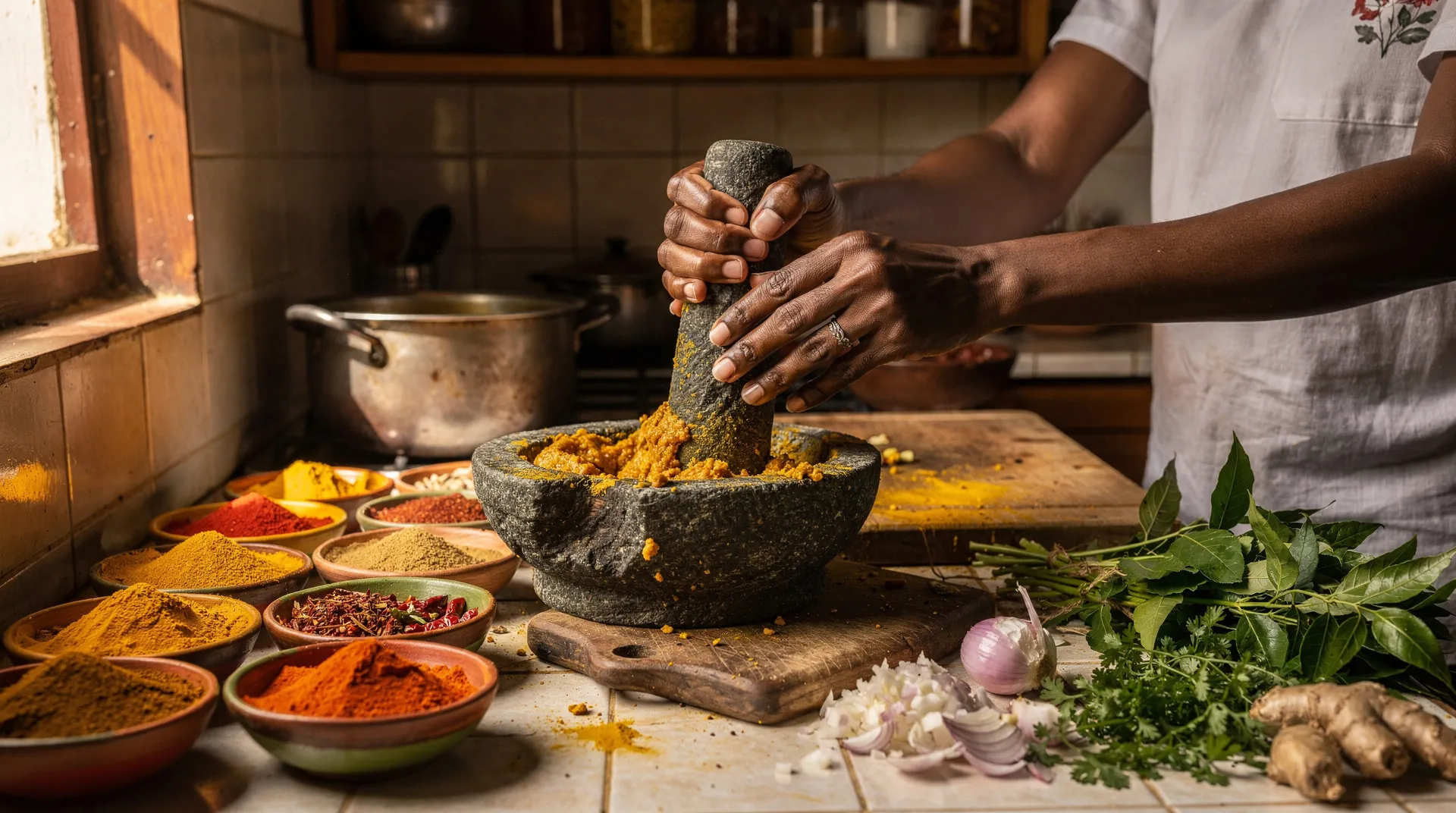
A rainy day is ideal for spending a few hours cooking in a warm, welcoming kitchen. Mauritian cooking classes generally last 3 to 4 hours and end with a convivial meal together.
See our complete guide to Mauritian cooking classes for operators and prices.
Lunch or dinner at a great restaurant
Mauritius has some outstanding restaurants that deserve a special occasion. A rainy day is the perfect excuse for a leisurely lunch at an authentic Creole or fusion restaurant.
Recommended restaurants for bad weather:
Le Chamarel Restaurant: on the Chamarel estate, a Creole and French restaurant with a covered terrace overlooking the coffee plantations. The rain on the banana leaves adds a very particular atmosphere.
Billot (Grand Baie): contemporary Creole cuisine in a renovated colonial setting. Fish and seafood specialities.
La Table du Château (Château de Labourdonnais): a French restaurant on a colonial estate surrounded by an orchard. The setting is magnificent even in the rain.
Visiting rum distilleries
Mauritian rum distilleries are cultural and gastronomic destinations in their own right, perfectly suited to rainy days.
Rhumerie de Chamarel: a craft distillery producing agricultural rum from fresh cane juice, nestled in the Chamarel highlands. The guided tour (60 to 90 minutes) explains the entire production process, from cane to glass. Tasting included. Price: around 400 rupees (8 euros) for the tour with tasting. You can book your tour and tasting at the Chamarel Rum Distillery in advance to avoid waiting on site.
St. Aubin Distillery: in the south of the island, a historic distillery with a tour combining the distillery, a vanilla plantation and a Creole lunch.
Labourdonnais Distillery: on the Labourdonnais estate in the north, a modern distillery with an orchard tour and gourmet restaurant.
Shopping
Shopping malls
Mauritius has several large modern, air-conditioned shopping malls perfectly suited to a rainy day.
Bagatelle Mall (Moka): the island’s largest mall, with over 120 shops, restaurants, a multiplex cinema and play areas for children. Open 7 days a week, 10am to 8pm.
Vivéa Business Park (Moka): a lifestyle shopping centre with shops, restaurants and a children’s play area.
Cascavelle Shopping Mall (west coast, Black River): ideal for west coast residents, with a good selection of shops and restaurants.
Grand Baie La Croisette: an open-air but partially covered shopping centre in the north of the island. Luxury boutiques, restaurants and cafés.
Port Louis Waterfront (Caudan Waterfront): the shopping and cultural hub of Port Louis’s waterfront. Attractive architecture, shops, restaurants and port views.
Crafts and souvenirs
The craft markets of Port Louis (Central Market) and Flacq are authentic shopping experiences, though the open-air sections are less pleasant in the rain. The covered sections remain accessible.
For quality souvenirs (embroidery, spices, rums, essential oils, mother-of-pearl jewellery):
- Le Caudan Waterfront, Port Louis: well-curated shops with quality local products
- Quatre Bornes Thursday Market: a weekly market known for clothing and fabrics
Indoor sports activities
Bowling
Bagatelle Mall and a few other centres have modern bowling alleys, ideal for families and groups. Expect to pay 300 to 500 rupees per game.
Laser tag and games
Several entertainment centres in Port Louis and the major malls offer laser tag, bowling, arcade games and play areas for children.
Yoga and fitness
Some yoga centres and fitness studios welcome drop-in classes without a membership. The YMCA in Curepipe and several yoga studios in Grand Baie offer daytime classes.
Outdoor sites that stay beautiful in the rain
Paradoxically, some natural sites are even more spectacular in the rain.
Waterfalls
Mauritius’s waterfalls swell and gain power after rainfall. The Chamarel Waterfall (an 83-metre drop), the island’s highest, is particularly impressive after heavy rain. Bring a raincoat and waterproof shoes.
The Tamarin Falls (also known as the 7 Cascades) in Black River Gorges National Park are accessible only on foot, but the scenery after rain is extraordinary. Book a guided excursion. If you’d like to combine the coloured earths and Chamarel waterfall in a single day, a guided excursion to Chamarel including the Seven Coloured Earths and the waterfall is an excellent option even in mixed weather.
The highlands
The regions of Curepipe, Vacoas and the central highlands take on a very different character in the rain: mist clinging to the hills, the tea plantations of Domaine des Aubineaux in the cool air, forests steaming after the shower. A very distinctive, almost Celtic aesthetic, on a tropical island.
Practical tips for rainy days
Always carry a light raincoat: tropical rain showers are often brief but intense. A compact poncho (300 rupees at a supermarket) changes everything.
Make the most of grey mornings: in Mauritius, morning rain is often followed by clear skies later in the day. Plan your indoor activities in the morning and save your beach time for the afternoon.
Keep a flexible half-day on the coast: rain there often passes quickly, so if you’re staying in Bel Ombre or around Blue Bay, leave half a day free to head back out at the first break in the clouds.
Watch the forecast: the Météo France Réunion-Maurice app gives reliable forecasts for Mauritius. Localised showers are common and often brief.
Don’t get stuck at the hotel: that’s the biggest mistake. A rainy day in Mauritius is a day not to waste in a hotel room. Get out, explore, eat, discover. The island has a thousand things to offer, even in the rain.
When rain shows up most often
Not all of the island — nor all of the year — is equal when it comes to rain. Here’s a monthly guide to help you know what to expect and plan your indoor activities.
| Period | Rain risk | What to prepare for |
|---|---|---|
| January - March | High, sometimes long showers (peak cyclone season) | Always keep an indoor plan B in mind, and watch out for cyclone alerts |
| April - June | Moderate, shorter showers | Generally sunny days, with rain mostly in the late afternoon |
| July - September | Low on the coast, more frequent in the highlands (Curepipe, Grand Bassin) | Bring a raincoat if you’re heading up into the highlands |
| October - December | Low to moderate, gradually increasing towards December | A generally good period, stay alert as it draws to a close |
Our Mauritius weather guide breaks down forecasts by region and season if you want to fine-tune your planning before you leave. For a specific month, see also what to expect in Mauritius in March, one of the wettest months.
Travelling with children? You’ll find more ideas in our guide to family activities in Mauritius, several of which work very well on grey days.
A well-planned rainy day: sample itinerary
To avoid improvising when you wake up to a grey sky, here’s a realistic schedule that works well for a family or couple staying in the north or west of the island.
Morning (9am-12pm): visit L’Aventure du Sucre in Pamplemousses, combined with a stop at the neighbouring Botanical Garden if it’s not raining too hard — the wide tree-lined avenues offer partial shelter.
Midday: Creole lunch at one of the estate’s restaurants, or head back to Bagatelle Mall for a wider choice of cuisines.
Afternoon (2pm-5pm): a one or two-hour spa treatment (see our spa and wellness guide), or a shopping and cinema session at the mall if you’re with the family.
End of day: if the sky clears, head to a nearby public beach to catch the last light — tropical rain often gives way to beautiful clear skies by evening.
If rain is forecast for several days in a row, also consider postponing your planned road trip: our Mauritius road trip guide offers tips for adapting a driving itinerary to the whims of the weather.