Guide to Mauritian rum: distilleries, tastings and bottles to bring home
Mauritius and rum: an old love story
Sugar cane is deeply tied to the history of Mauritius. Introduced by Dutch settlers in the 17th century and cultivated on a massive scale under French then British rule through the labor of enslaved people and later indentured workers, sugar cane has shaped the island’s landscapes and its economy for centuries.
Today, while most of the large industrial sugar mills have closed or merged, Mauritian rum is enjoying a remarkable renaissance. Several distilleries, some of them artisanal, produce rums of a quality that is starting to make waves well beyond the Indian Ocean. It would be a shame to leave without exploring this world.
Driving through Mauritius at certain times of year means passing through corridors of sugar cane that form green tunnels on both sides of the road. This ever-present cane, visible from Chamarel all the way to Mahebourg and through the south of Tamarin, is the agricultural DNA of the island and the raw material of Mauritian rum.
At a glance
| Where | distilleries scattered across the island, the most visited being Chamarel |
| Price of a guided tour + tasting | around 15 to 25 euros per person |
| Time needed | 1.5 to 2 hours per distillery, a full day for a proper “rum tour” |
| How to get there | a car rental is recommended to combine several estates |
| Best time to visit | year-round, distilleries are open outside of major bad weather |
The two styles of Mauritian rum
Before visiting the distilleries, it helps to understand the fundamental distinction that divides the rum world:
Molasses rum (or industrial rum) is made from molasses, a byproduct of sugar production. It’s the dominant style in the Caribbean (Bacardi, Havana Club) and it’s also what most of the large Mauritian distilleries historically produced.
Agricole rum is made directly from freshly pressed sugar cane juice, without going through molasses. A technique developed mainly in Martinique and Guadeloupe, it produces a more fragrant, more vegetal rum, with herbaceous notes and greater aromatic complexity.
In Mauritius, the distinction between the two styles is less clear-cut than in the Antilles. Some distilleries produce high-quality aged molasses rums; others, like Chamarel, have specialized in agricole rum. Understanding this difference is key to understanding why Mauritian rums have such different characters from one bottle to the next.
Distilleries to visit
Chamarel: the artisan
The Chamarel distillery is arguably the best known among tourists visiting the island’s interior, and for good reason. Set in the highlands of Chamarel, in the middle of the estate’s sugar cane plantation, the distillery produces exclusively from fresh cane juice — agricole rum, in other words.
The guided tour is well designed and accessible to everyone, even without prior knowledge of the subject. You follow the whole process from A to Z: hand-cut cane, crushing, fermentation, distillation in copper stills, and aging in oak barrels.
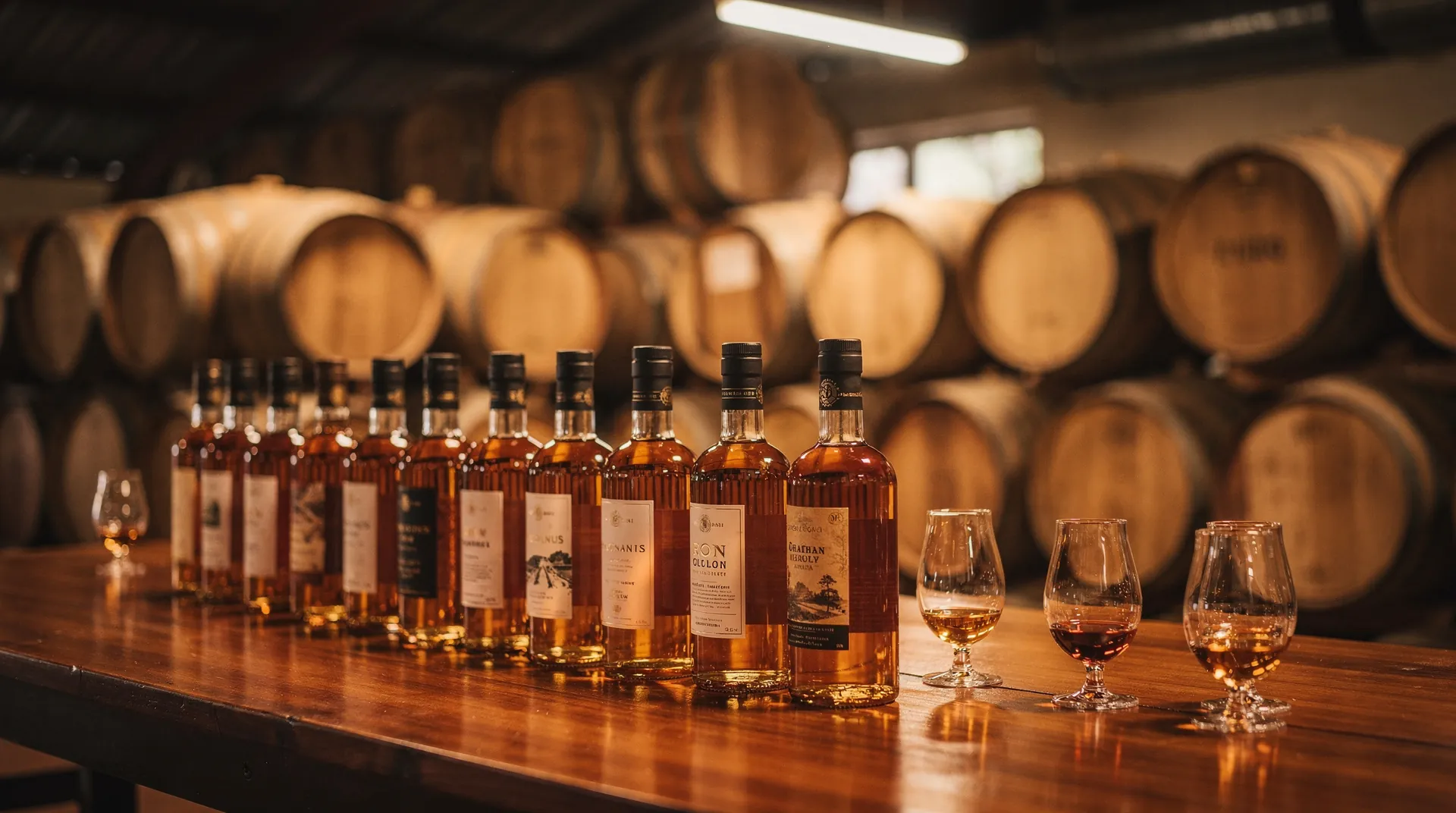
The final tasting offers a wide range: white rum (young, powerful, notes of fresh cane), aged amber rum (barrel-aged, smoother, with vanilla and caramel aromas), and the famous flavored versions — Mauritian vanilla, island coffee, coconut, pineapple.
My personal favorite: Chamarel’s 5-year-old aged rum. Complex, well balanced, with a long, delicate finish. A bottle costs around 35 euros, and can also be found cheaper in some island supermarkets.
Tip: book the tour in advance during high season. Groups can be large and slots fill up. You can book directly the tea and rum route with tastings at several estates online — a package that combines several distilleries and plantations in a single day.
The Chamarel distillery combines easily with a visit to the Seven Coloured Earths — our Chamarel guide explains how to organize this day in the highlands.
Medine: the historic reference
The Medine Estate, in the west of the island near Flic-en-Flac, is one of the oldest Mauritian distilleries still in operation. Founded in the 19th century, it mainly produces barrel-aged molasses rums, and its old rums are among the most respected on the island.
The estate organizes tours of the distillery and the aging cellars. Seeing the rows of barrels in the cool cellar, breathing in the smell of caramel and wood that fills the air — it’s a powerful sensory experience.
Medine’s Brut de Fut rums (undiluted at bottling) are gems for serious enthusiasts: concentrated, complex, sometimes with an alcohol content above 60%. Reserved for connoisseurs, but exceptional.
A visit to Medine can be combined with a day at Flic-en-Flac and a sunset on the west coast.
New Grove: the modernist
New Grove is the distillery of the Domaine de l’Esperance, in the southeast of the island, near Mahebourg. It embodies a new generation of Mauritian producers who combine traditional know-how with contemporary design.
Its aged rums are matured in a combination of American and French oak barrels, and sometimes casks that previously held whisky or wine. These multiple finishes produce unexpected and exciting aromatic profiles.
New Grove’s “Old Tradition” range, in particular, is a showcase for the possibilities of premium Mauritian rum. Some limited editions are true collector’s items.
The New Grove shop is worth a stop on its own — great presentation, passionate staff, and the chance to taste several expressions before buying. The distillery is just minutes from Mahebourg and can be worked into a southeast itinerary including Blue Bay and the Naval Museum.
Labourdonnais Rum Distillery
The Labourdonnais Estate, in the north of the island, is best known for its beautifully restored colonial château and museum. But the estate also produces its own rums from its cane plantation.
The range is more modest than Chamarel’s or Medine’s, but Labourdonnais rums have solid quality and their own identity. Visiting the estate (château + garden + distillery) is one of the finest cultural experiences on the island, well beyond the rum aspect alone.
The estate is located in the north of the island, easily accessible from Grand Baie or Trou aux Biches. Half a day is enough to explore the château and taste the rums.
Saint Aubin: diversification
The Saint Aubin Estate, in the south of the island not far from Souillac, is a remarkable example of Mauritian agricultural diversification. Besides its rum, the estate also produces vanilla, coffee and herbal teas.
Visiting the estate is an immersion in traditional Mauritian farming, with explanations on growing cane, vanilla and coffee. The final tasting combines rums and homemade vanilla for a unique sensory experience.
Quick comparison of the distilleries
| Distillery | Style | Best for |
|---|---|---|
| Chamarel | Agricole rum | First “rum tour”, can be combined with the Seven Coloured Earths |
| Medine | Aged molasses rum | Fans of powerful aged rums, close to Flic-en-Flac |
| New Grove | Modern rum, multiple finishes | Curious about unexpected aromatic profiles, near Mahebourg |
| Labourdonnais | Rum + colonial heritage | Those who want to combine château, garden and distillery in the north |
| Saint Aubin | Rum, vanilla, coffee | Fans of agricultural diversification, in the south near Souillac |
If you can only pick one for a first trip, Chamarel remains the best compromise between accessibility, quality of the guided tour and ease of combining it with other must-sees on the island.
Souvenirs and gifts beyond rum
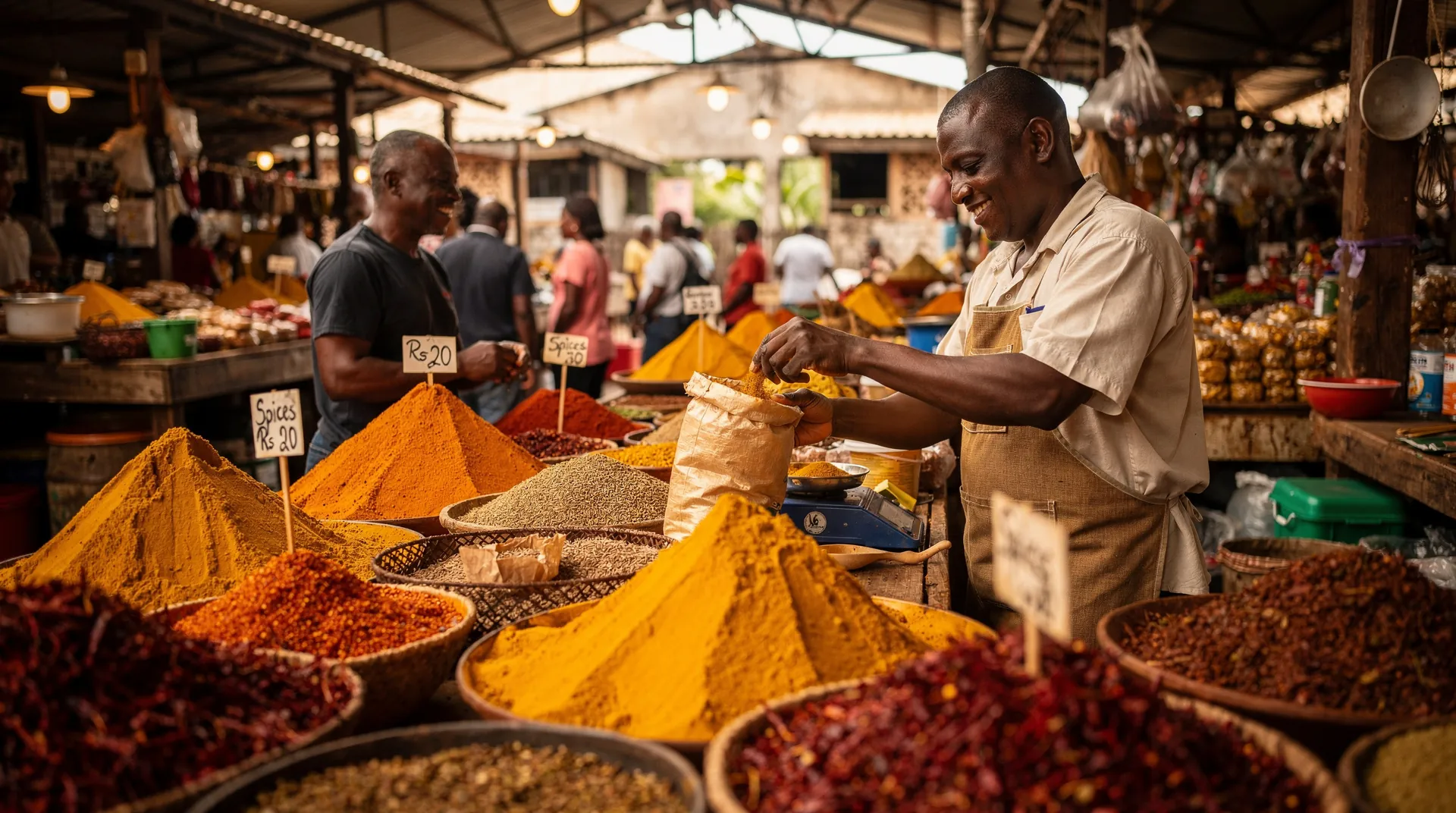
While rum is one of the best souvenirs to bring back from Mauritius, it’s not the only one. Our guide to souvenirs to bring back from Mauritius lists other good ideas (vanilla, spices, local crafts) to round out your luggage without spending a whole day on it.
If Creole cuisine left as strong an impression on you as the rum did during your stay, a Mauritian cooking class is a great way to come home with real know-how rather than just an object. The markets and local culture are also good places to find artisanal rums at honest prices.
The Mauritian ti-punch
You can’t talk about Mauritian rum without mentioning the ti-punch — the way Mauritians drink their rum day to day. It’s simple: white rum, cane sugar (syrup or cubes) and freshly squeezed lime. Mix it to your taste (the proportions are a very personal matter) and drink it cold.
The ti-punch is the ultimate social drink in Mauritius. It’s served as an aperitif, at family gatherings, on the beaches at the end of the day in Flic-en-Flac or Tamarin. Everyone has their own recipe, their own way of mixing it, their own favorite rum for it.
If you walk into a bar or a local eatery and order a “ti-punch,” you’ll immediately get a different rapport with the locals. It’s a sign of knowledge, a way of saying you’re there to blend in rather than stay in your tourist bubble.
Flavored rums: guilty pleasure or genuine discovery
The category of flavored (or infused) rums is often looked down on by purists — wrongly, in my opinion. In Mauritius, this tradition of macerating fruit and spices in rum is old and produces sometimes remarkable results.
Specialties worth trying:
- Mauritian vanilla rum: local vanilla has a powerful, complex fragrance, very different from the industrial vanilla found everywhere. Macerated in a good white rum, it produces something extraordinary.
- Tamarind rum: tamarind, a sweet-and-sour fruit very present in Mauritian cuisine, gives the rum a surprisingly acidic, fruity dimension.
- Chili rum: not for everyone, but a classic. The heat of the chili and that of the alcohol mix in a strange and addictive way.
- Chamarel coffee rum: the coffee grown in the highlands of Chamarel is one of the island’s few coffees. As a rum infusion, it’s a luxury digestif.
Rum and Mauritian gastronomy
Mauritian rum isn’t only a drink to be enjoyed on its own — it’s also a cooking ingredient. Mauritian cooks use white rum in certain marinades, flavored rums to flambé fruit for dessert, and aged rum to flavor Creole sauces.
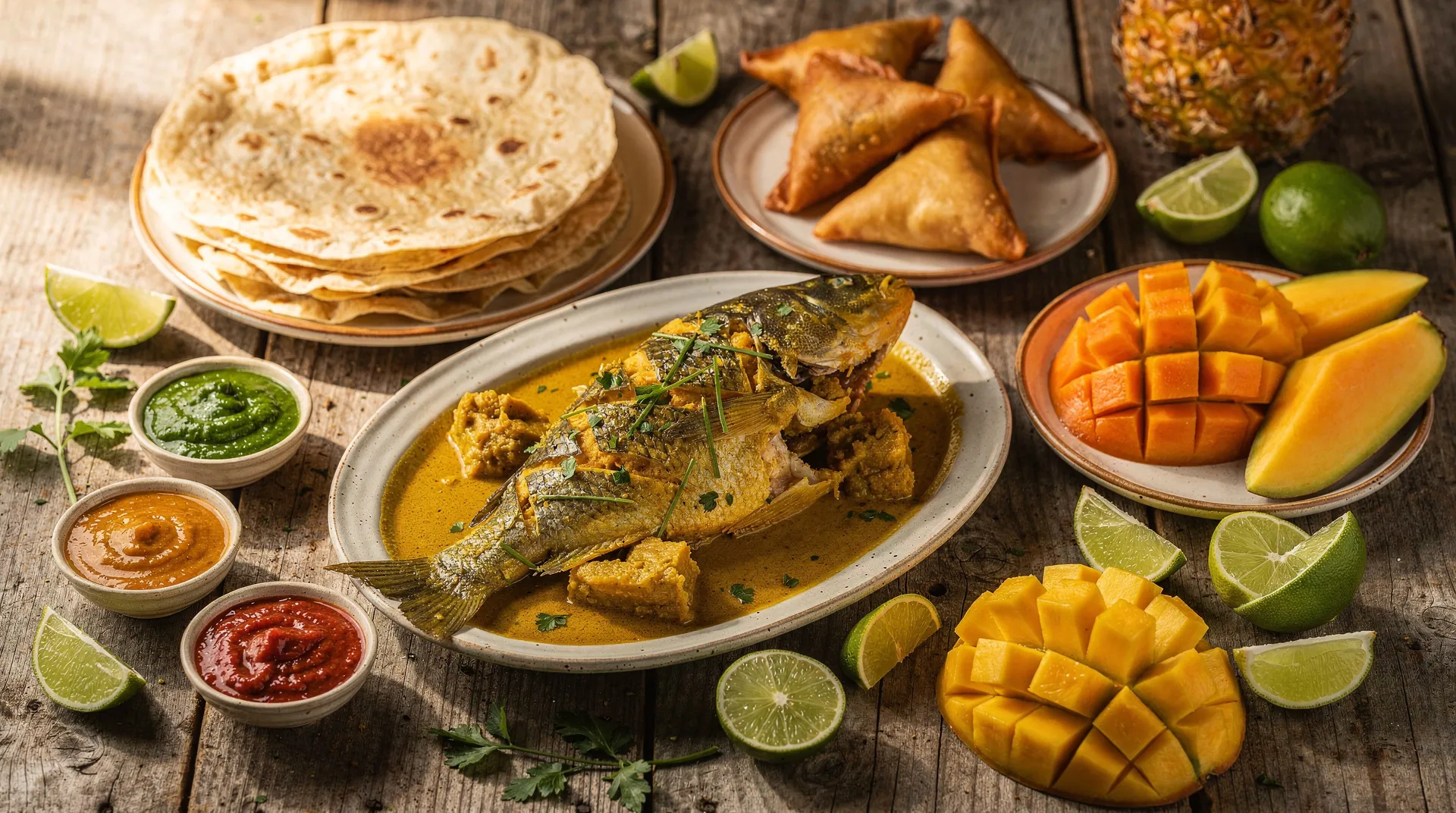
In the table d’hôtes we recommend in our Mauritius food guide, you’ll often see rum appear as a discreet but present ingredient in local desserts — roasted bananas, flambéed exotic fruit, pineapple rum cake.
What to bring home
If I had to pick three bottles to bring back in my luggage (respecting the duty-free allowance of 2 liters):
A bottle of Chamarel 5-year-old aged rum for everyday enjoyment and to impress friends who think rum begins and ends with Bacardi.
A bottle of New Grove Old Tradition for special occasions. A serious, complex rum, best enjoyed neat in a rum glass or over a single ice cube.
A bottle of Mauritian vanilla-flavored rum for cocktails, desserts, and the Proustian moment six months from now when you add a drop to your coffee and remember the sunset over the lagoon at Flic-en-Flac.
For serious enthusiasts wanting to bring back rare expressions or collector’s bottles, the distillery shops generally offer a better selection than the duty-free at SSR airport.
Where to buy Mauritian rum
At the distilleries: obviously the ideal place to buy, with the chance to taste before choosing and get advice from the producers themselves.
At the supermarkets: major chains like Super U and Jumbo have very good selections of Mauritian rums, often cheaper than tourist shops. The supermarkets in Port Louis and Grand Baie have the best selections.
At the Port Louis market: a few vendors sell homemade flavored rums at very accessible prices. Quality varies but the experience is authentic.
At SSR airport: the duty-free shop offers a decent selection of major brands, at prices slightly lower than tourist shops. A last-resort option if you forgot to buy during your stay.
A final word on sugar cane
Driving through Mauritius at certain times of year means passing through corridors of sugar cane swaying on both sides of the road, sometimes so tall they form a green tunnel. It’s one of the island’s most iconic sights.
This cane, once the engine of a colonial economy built on forced labor, has today been transformed into something beautiful, complex and pleasurable to drink. There is something profound in that transformation — a painful history that the island has managed to transcend by creating something uniquely its own.
Mauritian rum carries all of that history in its bottle. That’s why it deserves more than a passing glance at the airport duty-free.
To round out your culinary exploration of Mauritius, our Mauritius food guide explores the island’s other culinary riches — spices, Creole cuisine, Indian and Chinese influences — that make Mauritius a destination for the palate as much as for the eyes.
Mauritian rum on the international stage
In recent years, Mauritian rum has started building a serious reputation beyond the island’s shores. In rum bars in Paris, London or Amsterdam, you’ll now find expressions from Chamarel, New Grove or Medine alongside the great Caribbean rums. This international recognition is a sign of a genuine step up in quality and an ambition that goes beyond the local tourist market.
International rum competitions — the Rhum Fest in Paris, Tales of the Cocktail in New Orleans — are increasingly rewarding Mauritian expressions. Medine’s aged rums and Chamarel’s agricole rums have won medals that have marked the island out as a serious producer.
Why collectors are taking notice
The market for collectible rum is expanding globally, and Mauritius represents an interesting opportunity for connoisseurs. Limited series from New Grove and Medine (notably the undiluted “Brut de Fut” bottlings) have very small production runs and aging potential that make them attractive for building a rum cellar.
Unlike Caribbean rums, whose resale prices have soared on the secondary market, Mauritian expressions remain relatively accessible for now — though that window is narrowing as their reputation grows. If you visit the distilleries during your stay, ask about limited series available only at the distillery shop.
How to plan a “rum tour” day
If you want to structure your exploration of Mauritian rum into a single day, here’s a reasonable route.
Depart from Flic-en-Flac or Tamarin at 8:30 am. Head to the Medine distillery in the west — guided tour from 9 am to 11 am, with a tasting of aged rums. Lunch nearby, then drive up to the highlands of Chamarel for the afternoon. The Chamarel distillery welcomes visitors until around 3 pm. Taste the agricole range, buy a few bottles. Head back to the west coast for sunset with a last drink on a restaurant terrace.
This route is done by car — renting a car in Mauritius is essential for a rum tour of this kind. Don’t drive if you’ve tasted a lot: designate a driver who sticks to non-alcoholic options during the visits, while the others enjoy the tastings.
Rum in Mauritian cocktails
Beyond the classic ti-punch, Mauritian rum is the base of several local cocktails worth discovering in the island’s bars.
The “Chamarel punch”: white agricole rum, lime juice, cane syrup, grated ginger and a touch of Mauritian vanilla. Fresh, fragrant, lightly spiced — tropical summer in a glass.
The “Mauritian rum sour”: aged Medine rum, tamarind juice, cane sugar, egg white. The Mauritian take on the whisky sour, with that distinctive tang from local tamarind.
The “coco rum”: white rum, fresh coconut water, lime juice. As simple as its name, as refreshing as a breeze over the lagoon at Blue Bay.
In the beach bars of Grand Baie and Flic-en-Flac, some bartenders have developed their own creative takes on local rum. Ask what they do with Chamarel or New Grove rums — you’ll often be treated to a house creation worth trying.
Bringing rum home: everything you need to know
French customs regulations allow travelers to bring back 2 liters of spirits above 22 degrees per person duty-free. For a standard 40-45 degree rum, that’s 2 one-liter bottles or 3 bottles of 70 cl.
For Brut de Fut rums above 60 degrees, the same volume rules apply, but their value may exceed the duty-free value threshold (430 euros per person for travel outside the EU). Beyond that, customs duties apply.
On the flight: bottles must go in checked luggage, not carry-on. Pack them carefully — bottles of rum breaking inside a suitcase are an olfactory disaster. Distillery shops often offer secure packaging specifically designed for air travel.
For your overall budget, our Mauritius budget guide includes rum purchases among the typical expense categories for a trip to Mauritius.
If you’d rather work your rum tour into a broader itinerary instead of a single dedicated day, our road trip itinerary lets you slot distilleries in between your beach and culture stops.