14-Day Mauritius Itinerary: A Complete Immersion Off the Beaten Path
14 Days in Mauritius: The Deep Immersion
| At a Glance | |
|---|---|
| Duration | 14 days, including 2 in Rodrigues |
| Indicative budget | roughly €1,800 to €3,200 per person (excluding international flight), Mauritius-Rodrigues flight counted separately |
| Getting around | rental car in Mauritius, scooter or small car in Rodrigues |
| Recommended bases | north (days 1-7), Rodrigues (days 8-9), southwest (days 10-14) |
| Best time to go | April to November, avoiding January-March (cyclone season) |
Two weeks in Mauritius is a rare privilege. It’s the amount of time needed to move past being just a tourist and start to understand the soul of this island — the contrasts between luxury and simplicity, the four major communities (Creole, Indo-Mauritian, Sino-Mauritian and Franco-Mauritian) that have lived side by side for centuries, and landscapes that change radically every 20 kilometers.
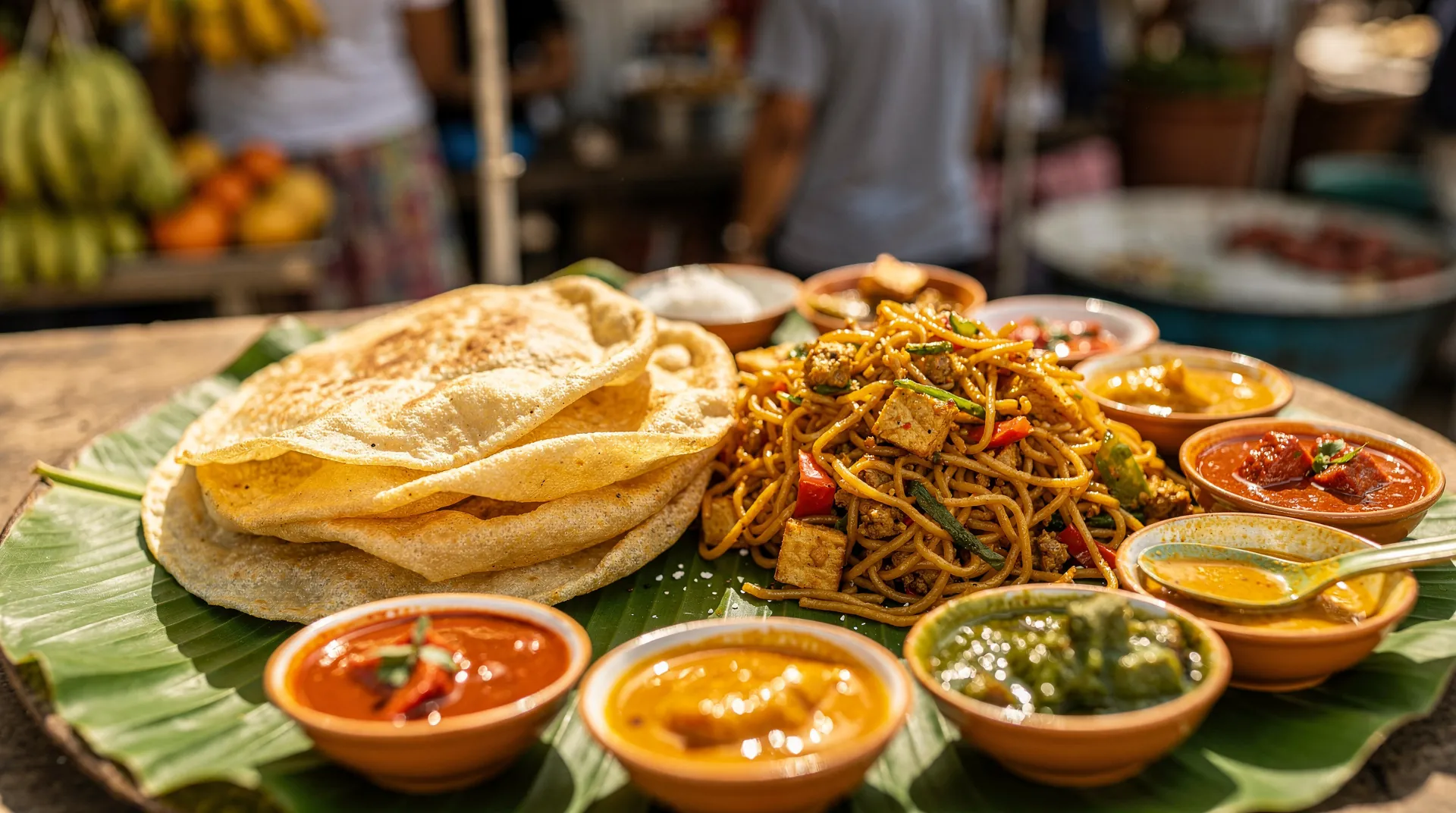
This 14-day itinerary goes well beyond the classic circuits. It includes a stay in Rodrigues (the sister island, 600 km to the northeast), excursions into inland villages that guidebooks tend to ignore, hikes off the marked trails, and culinary encounters with families who still cook the way their great-grandmothers did. Check out our Mauritian gastronomy guide to prepare your palate for this exceptional culinary discovery.
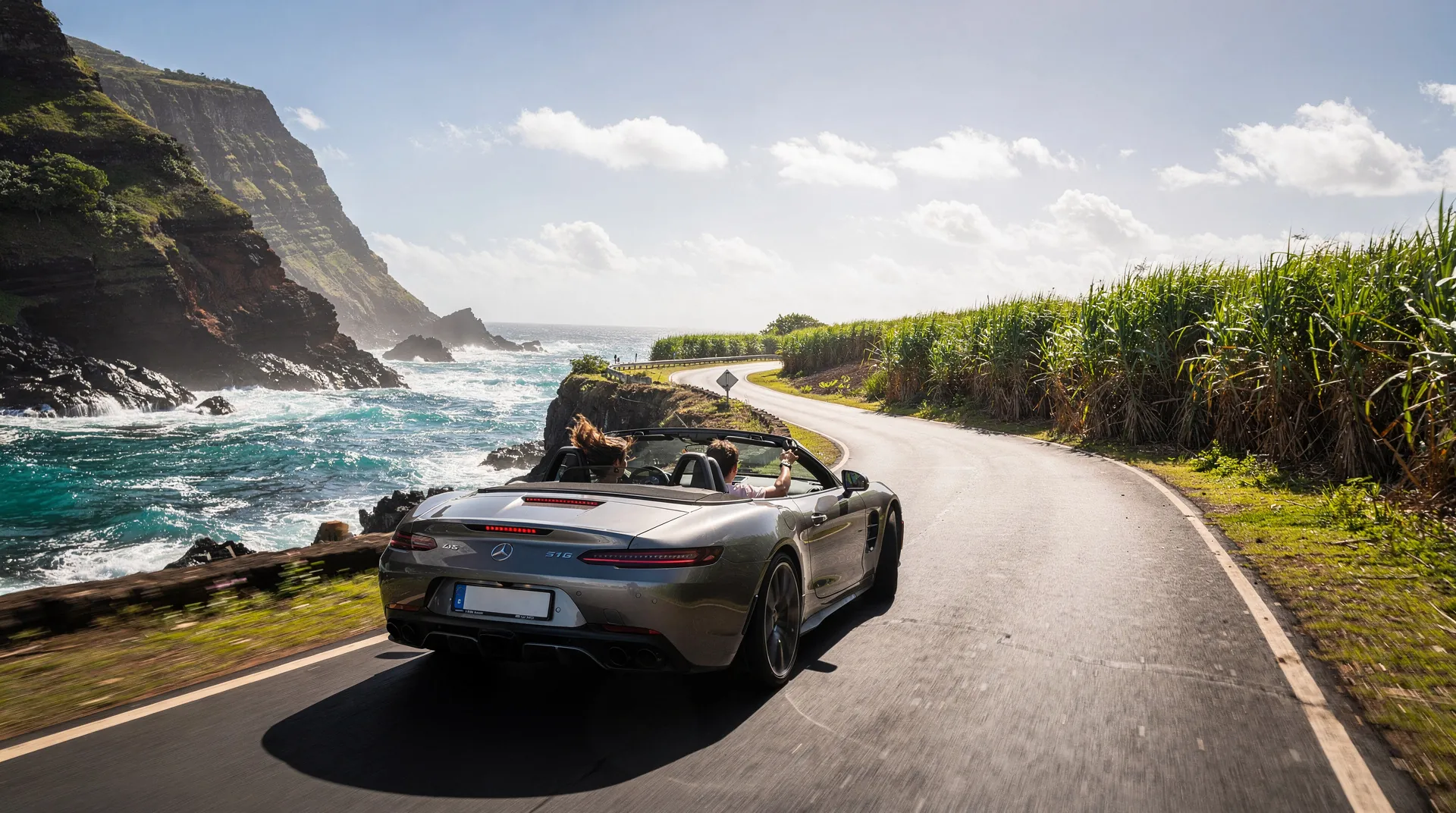
Plan on a rental car for your days in Mauritius. In Rodrigues, renting a scooter or a small car locally is enough. Our road trip guide gives you all the tips for navigating Mauritian roads with confidence.
Accommodation Strategy for 14 Days
For two weeks, three bases allow for optimal exploration. Our guide where to stay in Mauritius covers all the areas in detail.
- Days 1-5: North of the island (Grand Baie or Trou aux Biches)
- Days 8-9: Rodrigues (accommodation on site)
- Days 10-14: Southwest (Le Morne, Bel Ombre or Flic en Flac)
For couples looking for romance, our guide where to stay as a couple identifies the most intimate accommodations. For families, the where to stay as a family guide suggests properties suited to children of all ages.
Week 1: The Classic Tour, in Depth
Day 1 — Arrival and the North of the Island
Arrival at SSR Airport. Arrange your airport transfer in advance for a stress-free welcome. Settle into the north (Grand Baie or Trou aux Biches). The evening is free to acclimatize. Grand Baie comes alive at night, with its restaurants and shops — a first taste of Mauritian nightlife.
Day 2 — The Northern Tip and Its Fishing Villages
Explore the north and northeast coast. Cap Malheureux for the iconic photo of the red church and views of the northern islands. Then head to Grand Gaube, a fishing village virtually unknown to tourists. Its colorful boats, nets drying on the beach, and welcoming residents offer an authentic image of Mauritian coastal life that Grand Baie can no longer provide.
Continue toward Roches Noires and Poste de Flacq on the east coast. This stretch of coastline is still spared from mass tourism. Wild beaches and small family-run resorts line a sea that’s sometimes rough — not ideal for swimming but beautiful for a walk.
Day 3 — Port-Louis: The Creole Capital
A full day in the capital. The central market from 7am, Chinatown for lunch, Place d’Armes and the colonial buildings in the afternoon. The Aapravasi Ghat (a UNESCO World Heritage site) tells the story of the arrival of the first indentured Indian laborers in 1834 — a founding episode of modern Mauritian identity. Our guide to markets and culture shows you the best places to visit in Port-Louis and the surrounding area.
The Natural History Museum downtown holds a complete dodo skeleton, the emblematic bird that went extinct in Mauritius in the 17th century. The Blue Penny Museum, at Caudan Waterfront, displays two of the world’s most valuable stamps: the Blue Penny and the One Penny Orange from 1847.
Day 4 — Pamplemousses and the Northern Plain
Morning at the Sir Seewoosagur Ramgoolam Botanical Garden in Pamplemousses. Founded in 1770, this garden offers an exceptional botanical stroll beneath century-old royal palms, around ponds of giant water lilies. Afternoon in the northern plain, an agricultural region dominated by sugarcane. The Grays (or Medine) distillery offers tours of its rum and sugar production process — a deep dive into the island’s economic history.
Goodlands village in the afternoon for its textile and clothing market with factory-outlet prices — the region is known for its textile manufacturing, exported worldwide. A great opportunity to shop at unbeatable prices.
Day 5 — Catamaran Excursion to the Northern Islands
A full day at sea. Departure from Grand Baie at 9am for Ile Plate and Ile Gabriel. Snorkeling over pristine coral reefs — sea turtles, reef sharks, rays and dozens of species of tropical fish. Barbecue lunch on a deserted beach, swimming and a nap. Return around 4pm.
The catamaran cruise to the northern islets is consistently rated one of the best excursions on the island — book several days in advance.
Day 6 — East Coast: Flacq and Ile aux Cerfs
Head toward the east coast. Centre de Flacq, the region’s main town, for its Wednesday market — one of the biggest open-air markets on the island. Tropical fruit, spices, clothing and local crafts in a very local atmosphere, far from the usual tourist circuits.
Afternoon at Ile aux Cerfs, reached from Trou d’Eau Douce. Beach time and swimming in the turquoise lagoon. If you’ve already done Ile aux Cerfs in high season, try a glass-bottom boat trip today to observe the corals without diving. The water activities available on the island (waterskiing, parasailing, kayaking) make for an active and memorable afternoon.
Day 7 — Mahebourg and the Southeast Coast
Mahebourg in the morning, with its historical museum and Monday market (if it happens to be a Monday, don’t miss it — it’s one of the most authentic markets on the island). Lunch on the waterfront overlooking the calm lagoon. The open-air fish restaurant, with tables under the trees and a crowd of local diners, is the perfect picture of local life.
Afternoon at the Blue Bay marine park for a snorkeling session over the finest reef accessible from the island’s shore. The biodiversity at Blue Bay is exceptional — healthy corals, colorful tropical fish and, at times, sea turtles.
Pointe d’Esny in the evening: a quiet residential village with a small, unspoiled beach facing Ile aux Aigrettes, a nature reserve where the Mauritian Wildlife Foundation reintroduces endemic species that vanished from the main island.
Week 2: Rodrigues and the Deep Island
Days 8-9 — Rodrigues, the Wild Island
Rodrigues is Mauritius’s sister island, 600 km to the northeast. A one-hour flight from SSR Airport (Air Mauritius, 2-3 flights a day) takes you to a radically different world: less populated, less developed, less touristy, Rodrigues has stayed on the fringes of global tourism’s frenzy.
Port-Mathurin, the small capital, feels like what Grand Baie must have looked like 40 years ago. The residents, mostly Creole, still make their living from fishing, farming and agriculture. Local crafts (basket weaving, pandanus hats, tamarind jam) are remarkable. Port-Mathurin’s local markets are an experience in themselves — far from any tourist circuit, entirely authentic.
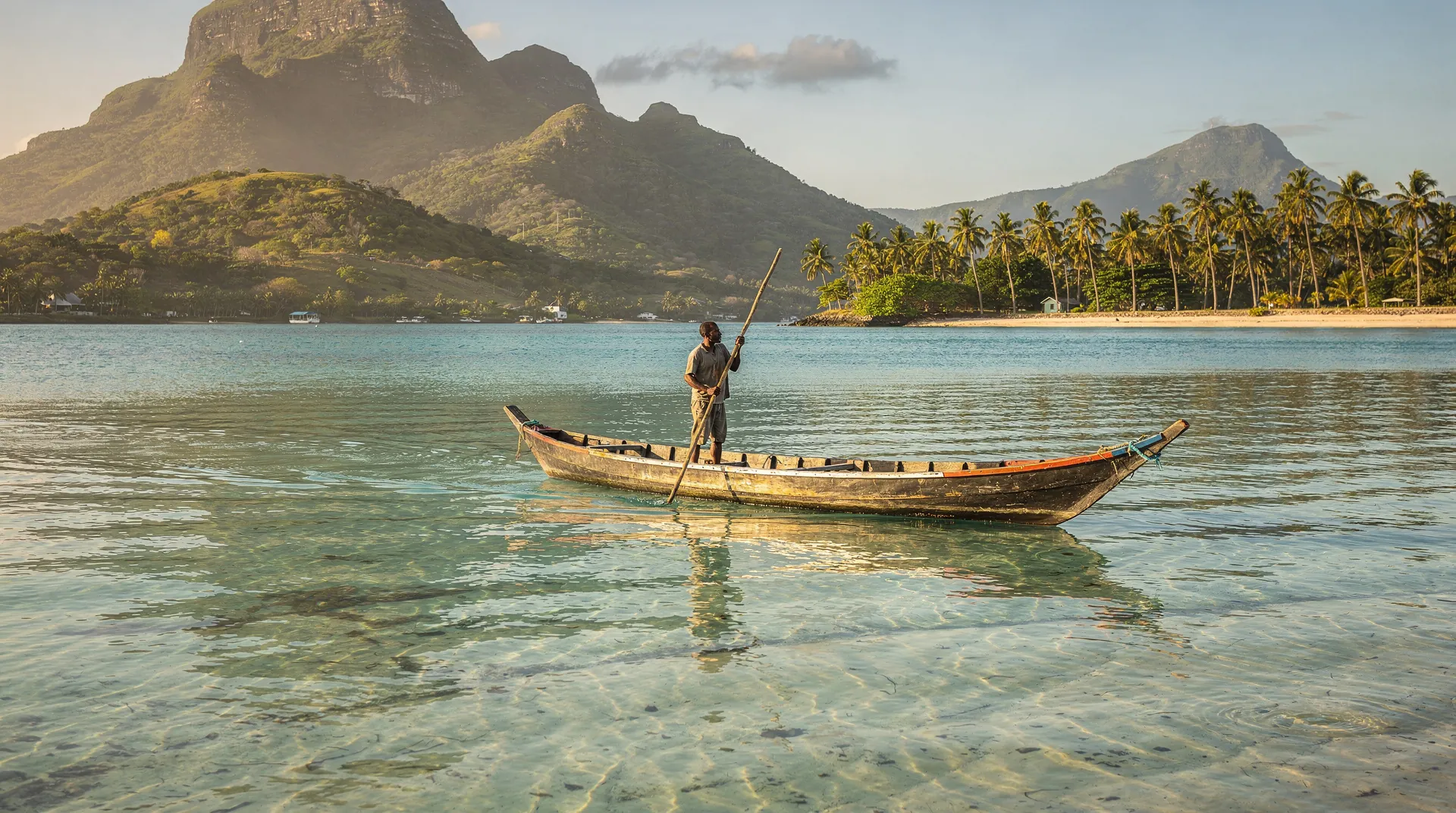
Rodrigues’ beaches are breathtaking and nearly empty. Saint-Francois in the northeast, with its endless lagoon and golden sand, is one of the most beautiful beaches in the entire Indian Ocean. Cocos Island, reached by boat (30 minutes), is a protected marine reserve — the snorkeling there is phenomenal, with some of the richest coral beds in the region.
Hiking in Rodrigues is beautiful: green hills, trails through fields of lentils and chili peppers, cliffs above the ocean. Touring the island in a day (rent a 4x4 or a scooter) is highly recommended. Two nights minimum are needed to fully enjoy this little-known gem.
Day 10 — Back to Mauritius: The Southwest
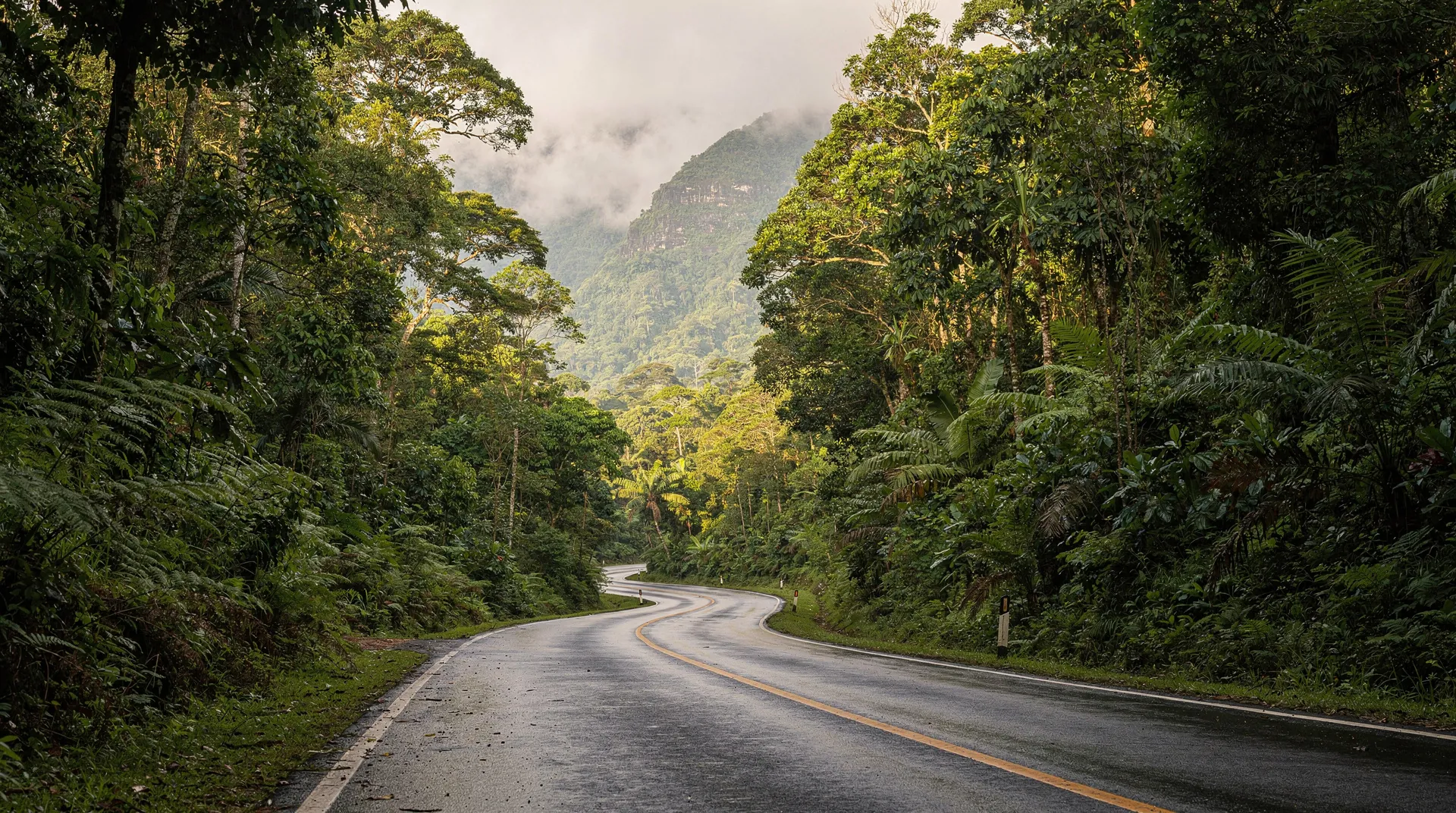
Return flight to Mauritius in the morning. Transfer to the southwest, your new base for the final 4 days. The afternoon is for resting and swimming in the lagoon at Le Morne or Bel Ombre. The waters along the southwest coast are remarkably clear, and the beaches are less crowded than in the north.
Day 11 — Chamarel and the Primary Forest
A full day in the Chamarel region and the national park. Seven Coloured Earths in the morning — our Chamarel guide reveals all the secrets of this unique geological site. The waterfall and the giant tortoise enclosure round out the park visit.
For a guided visit with transport included, the excursion to the south including Chamarel and Grand Bassin is a convenient option if you’d rather let your guide do the driving.
Hike in the Black River Gorges National Park in the afternoon. Choose the “Macabe Ridge” trail (5-6 hours round trip from the forest station), which crosses the most pristine areas and offers breathtaking views over the gorges. This trail is one of the finest on the island for spotting endemic species — the Mauritius kestrel, pink pigeon, echo parakeet.
Coffee plantation and tasting in Chamarel in the late afternoon. The Chamarel Rum Distillery also offers tastings of artisanal rum made from fresh sugarcane juice — closer to the agricole rum of the Antilles than to industrial rum.
Day 12 — Le Morne and the Wild South Coast
Morning at Le Morne Brabant. Hike to the summit if you’re up for it (a guide is mandatory, book the day before at Le Morne village). The climb takes 1.5-2 hours; the 360° panorama over the island and ocean from the summit is worth every bit of effort. Kitesurfing excursions are available in the bay for thrill-seeking water sports enthusiasts.
Afternoon on the south coast between Le Morne and Souillac. This stretch is the least touristy in Mauritius. Black basalt cliffs, hidden coves and views of the raging ocean have a stark, powerful beauty. Gris-Gris in Souillac is the wildest coastline on the island, battered by wind and waves from the Indian Ocean with no reef to break them. A dramatic, unforgettable landscape.
Day 13 — The Tea Route, Bois Cheri and Inland Villages
A journey into the island’s interior, less visited but fascinating. The Bois Cheri tea plantation, the Eureka estate (a fully restored 19th-century colonial house), and the farming villages of Quartier Militaire and Union Park, where families still make their living from sugarcane — a day in this deeper Mauritius transforms how you see the island.
The Eureka estate, in Moka, is the highlight of the day. This 109-room Creole house built in 1830 is a perfect example of Mauritian colonial architecture. Its grounds crossed by several rivers, its period furniture and its fine-dining restaurant (traditional Creole lunch on the veranda) make it a unique experience. The cuisine at the Eureka restaurant represents the pinnacle of Mauritian Creole gastronomy — curries, vindaye and samblars prepared according to time-honored recipes.
Day 14 — Last Day: Back to Your Favorite Spots
The final day is yours to spend on your personal favorites. After 13 days of exploring, you’ll have your own list of places to return to.
Our suggestions for a memorable send-off: one last swim at Ile aux Cerfs at sunrise (crossing from 7am, before the crowds), a Creole breakfast at the Port-Louis market with hot dholl puri and garlic butter, or a sunrise hike to the top of Lion Mountain overlooking Mahebourg bay.
If you haven’t yet experienced swimming with dolphins at Tamarin, this last day is the perfect opportunity. The swimming with dolphins in Tamarin excursion departs at dawn and returns before noon, leaving your afternoon free.
Whatever you choose to do, finish with a sunset over the west coast from the beach at Flic en Flac or from the terrace of a restaurant at La Balise Marina. The Mauritian sky at day’s end, with its shades of orange and pink over the sea, is an image that stays with you long after you get home.
Specific Tips for a Long Stay
Pace: 14 days allow you to take your time. Plan 2-3 activities per day at most, with real free time for wandering. Some of the best moments in Mauritius happen when you’re not looking for them.
Budget: The longer the stay, the easier it is to keep your budget under control. Eat often at small local restaurants (“snacks”), and shop at the market and in local grocery stores. Our full guide to budgeting for Mauritius helps you plan your spending category by category. The cost of living in Mauritius is moderate for local products.
Rodrigues: Book your flights to Rodrigues as early as possible. Air Mauritius flights are limited and fill up fast, especially in high season (July-August, December-January). Plan on 2 nights minimum to truly make the most of the island.
Season: Check our Mauritius weather guide before finalizing your dates. Avoid the cyclone season (January-March) for a 2-week trip — the risk of several days of heavy rain is real. The ideal season is April-November, with a peak of beauty in May-June.
Spa and wellness: A long stay is the perfect opportunity to treat yourself to several spa and wellness sessions. Mauritian treatments using local essential oils (ylang-ylang, vetiver, frangipani) are among the best in the Indian Ocean.
With family: If you’re traveling with children, check our family itinerary, which offers a program specifically adapted to younger travelers’ activities and pace.
Day-by-Day Overview
| Days | Area | Highlights | Pace |
|---|---|---|---|
| 1-2 | North | Settling in, Grand Gaube, Roches Noires | Relaxed |
| 3-4 | North / Port-Louis | Port-Louis, Pamplemousses | Busy |
| 5-6 | North / East | Catamaran to northern islets, Flacq, Ile aux Cerfs | Busy |
| 7 | Southeast | Mahebourg, Blue Bay | Relaxed |
| 8-9 | Rodrigues | Port-Mathurin, Saint-Francois, Cocos Island | Relaxed |
| 10-11 | Southwest | Chamarel, Black River Gorges | Busy |
| 12-13 | Southwest | Le Morne, tea route, Eureka | Busy |
| 14 | Free | Favorite spots, dolphins in Tamarin | Relaxed |
Rodrigues: What to Know Before Booking
Rodrigues deserves its own preparation, since it isn’t simply an extension of Mauritius. Air Mauritius flights are limited to a few rotations a day and fill up fast in high season (July-August, December-January): book this leg as soon as your international flights are confirmed, ideally several months ahead.
On the ground, accommodation options are more limited and simpler than in Mauritius — expect guesthouses and small family-run hotels rather than resorts. The card payment network is less developed than in Mauritius: keep cash in Mauritian rupees on hand for markets and small restaurants. Two nights is a minimum; three or four let you really slow down and enjoy the lagoon without rushing.
Adapting This Program If You’re Short on Time for Rodrigues
If flights to Rodrigues aren’t available on your dates, or if the budget doesn’t allow it, replace days 8-9 with an in-depth exploration of the island’s interior: Curepipe, the Trou aux Cerfs crater, and the sacred lake of Grand Bassin, free to visit and impressive in its volcanic crater setting. This variation keeps the “off the beaten path” spirit of the itinerary without depending on an extra flight. Our comparison of Mauritius, Rodrigues and the alternatives can help you decide.